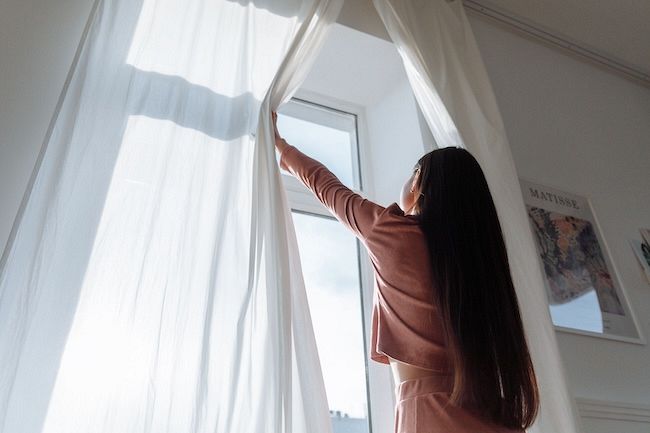
Most Australians spend the majority of their day indoors, yet the air inside a home rarely gets the attention the outdoor environment does. A house can look spotless and still hold dust, mould spores, and fumes that affect how people sleep, breathe and feel.
This matters most in older and rented homes, where layers of old paint and poor ventilation are common. In Western Australia, a qualified painter Perth residents trust can manage low-VOC products and safe surface prep. The guide below covers what shapes indoor air and the simple checks that make a home healthier.
Why does indoor air quality matter at home?
Indoor air quality matters because the home is where people spend the most hours, often with windows shut. Pollutants build up in enclosed spaces and the effects show up slowly. Headaches, poor sleep and worsened asthma are common signs that the air indoors is not as clean as it looks.
Three sources drive most of the problem. First, fumes from paints, cleaners and new furnishings release gases into the air. Second, damp and poor airflow let mould take hold. Third, fine dust carries allergens through every room.
The wider picture is well documented. Victoria's Better Health Channel page on indoor air quality is a useful starting point for understanding household pollutants and why ventilation matters.
What should you check before repainting an older home?
A short set of checks protects a household before any repaint begins.
- The age of the home, since houses built before the 1970s may hold old coatings.
- The condition of existing paint, looking for flaking or chalky surfaces.
- Ventilation, so fumes and dust can clear during and after the work.
- The paint product, choosing low-VOC or zero-VOC where possible.
- Surface preparation, since dry sanding old paint can release harmful dust.
- Who does the work, favouring someone who follows safe-prep methods.
Each check is quick on its own. Together they keep a refresh from quietly worsening the air a family breathes.
How does paint choice affect a healthy home?
Paint choice affects a home more than most people realise. Standard paints release volatile organic compounds as they cure and those fumes linger long after the surface feels dry. Low-VOC and zero-VOC products cut that load sharply, which matters in bedrooms, nurseries, and any room with little airflow.
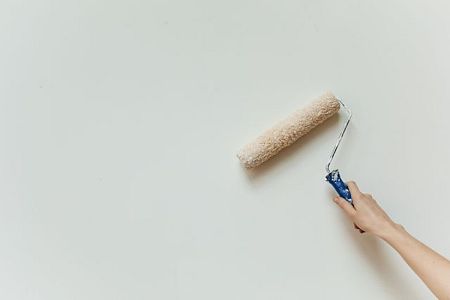
Older homes carry a second, more serious concern. Paint applied decades ago can contain lead and disturbing it during sanding or scraping creates fine dust. The NSW Health factsheet on lead exposure in children is essential reading before any renovation of a pre-1970s house.
The safest approach pairs the right product with the right method. Wet preparation, good ventilation and careful clean-up keep both fumes and dust out of the living space. A little extra time on preparation protects everyone in the home for years afterward.
What makes a home healthier to live in?
A few practical habits lift the air quality of almost any home:
- ventilate daily, opening windows to flush out built-up pollutants;
- control damp early, fixing leaks before mould can spread:
- choose low-VOC finishes for interior walls and trim:
- vacuum with a HEPA filter to capture fine dust;
- avoid disturbing old paint without proper precautions; and
- air out new furnishings before bringing them into bedrooms.
Younger Australians priced off the property ladder increasingly rent older houses, where these habits matter even more.
A quick healthy-home reality check
A short pass covers what a household should confirm before settling in:
- open windows daily to clear indoor pollutants;
- address any damp or leaks before mould spreads;
- pick low-VOC or zero-VOC paint for interiors;
- use wet prep methods on any old painted surface;
- keep dust down with regular HEPA vacuuming; and
- treat pre-1970s paint as a possible lead hazard.
Why a healthy home is worth the effort
The effort pays back because indoor air shapes daily health in quiet, cumulative ways. A home with clean air supports better sleep, fewer allergy flare-ups and easier breathing for anyone with asthma. The fixes are mostly cheap and the worst risks are avoidable with simple care and planning.
Three numbers frame the stakes. Australians spend roughly 90 per cent of their time indoors. A quality interior repaint can last a decade or more. And lead-safe preparation costs far less than treating a single childhood exposure.
Policy debate over affordability targets rarely reaches the condition of the homes people live in, yet that is where everyday health begins. For renters and owners alike, the same principles apply at any budget. Clean air, the right paint and safe methods turn any house into a healthier place to live.
Frequently asked questions
Is low-VOC paint worth the extra cost?
Yes, for most interior work. Low-VOC paint releases far fewer fumes as it cures, which matters in bedrooms and rooms with poor airflow. The price gap has narrowed and the benefit to indoor air quality makes it the sensible default for occupied homes.
How do I know if my old paint contains lead?
Homes painted before the late 1970s may contain lead-based paint. A hardware-store test kit or a professional assessment can confirm it. Until you know, treat old paint as a possible hazard and avoid dry sanding, which spreads fine, harmful dust.
Does ventilation really improve indoor air?
Yes — and it is the cheapest fix available. Opening windows for even a short period each day flushes out built-up fumes, moisture and dust. Good airflow also slows mould, which thrives in still, damp air. It is the single easiest healthy-home habit.
Should I repaint myself or hire a professional?
It depends on the home. Simple repaints in modern houses are manageable for many people. Older homes with possible lead paint, or rooms with damp problems, are safer in the hands of someone who follows proper preparation and clean-up methods.