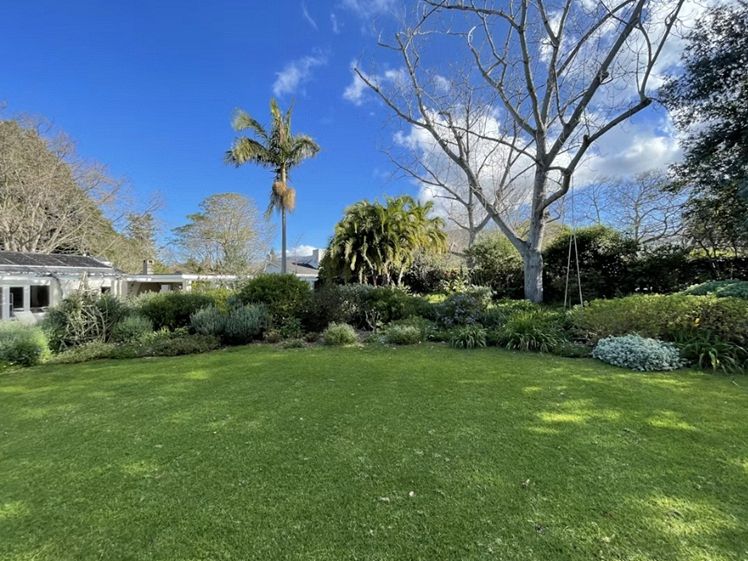
Why Australian gardens are under pressure
Walk outside on a January afternoon in most Australian cities and the difference is unmistakable. It's hotter than it used to be. The soil cracks earlier. The grass gives up faster. These aren't just impressions — rainfall patterns have shifted, heatwaves hit harder and linger longer and water restrictions keep tightening across the country. The backyard is where all of that lands first.
Rethinking the traditional Australian garden
The classic Australian backyard – big lawn, English hedge, maybe a rose bed – made sense when rainfall was more predictable and council water restrictions were rare. That’s not most people’s reality anymore. But scrapping the garden entirely isn’t the answer either. What actually works is rethinking how the space is put together from the ground up.
Why native plants outperform exotics in Australian conditions
Kangaroo paw, grevillea, native grasses, dwarf wattles — these plants didn’t arrive here from somewhere with mild summers and reliable rain. They evolved in Australian conditions over millions of years. Poor soil, fire, long dry spells: that’s their home turf. Imported species are working against the climate; natives are working with it.
Structural planting and layering
Look at any bush community and you’ll notice the same pattern: big trees up top, shrubs in the middle, groundcover keeping the soil shaded and cool. The best contemporary Australian garden designers borrow this logic directly. Layers trap moisture, buffer heat and give the garden a structure that holds up through even a brutal February.
Designing for heat: Shade, airflow and cool zones
A shaded garden can sit several degrees cooler than an exposed one. That’s not a small thing when the mercury is nudging 42°C. Trees on the north and west sides of a house do double duty: they block the worst of the afternoon sun in summer, then drop their leaves in winter and let the warmth through. One tree, planted in the right spot, changes the feel of an entire outdoor space.
Airflow matters too. A courtyard ringed by solid timber fencing and dense hedges can turn into an oven by mid-afternoon. Gaps in plantings, open pergola structures, permeable screens — small decisions that let a breeze through make a real difference to how usable the space actually is.
Water-smart garden planning for a drier future
- Group plants with similar water needs together to reduce waste.
- Choose deep-rooted native groundcovers over lawn in low-traffic zones.
- Use mulch generously — 8 to 10 cm of organic mulch can halve soil moisture loss.
- Design for rainwater capture: swales, rain gardens and permeable paving keep water on-site rather than funnelling it into drains.
- Consider grey water reuse systems planned into the garden layout from the beginning.
Planning before planting: Why design matters more than ever
Most garden mistakes happen at the nursery, not in the ground. Someone sees a plant they like, buys it, takes it home and finds out three years later it’s blocking a window or dying in soil it can’t handle. Starting with a layout – even a rough one – means working out sun angles, shade requirements and water zones before any money gets spent.
Tools have caught up with that need. Homeowners can now use landscape design software – like GardenBox 3D, a downloadable desktop app with a free trial – to build a 3D version of their plot and move things around before touching a shovel. That kind of visual pass almost always turns up something: a western wall screaming out for deciduous screening, a shadowed corner that’s actually perfect for a seat, a slope that could hold a rain garden if anyone had thought to look at it.
Creating a private sanctuary that also works hard
There's a persistent myth that climate-conscious gardens are all mulch and drought-tolerant grasses. Some of the most visually striking contemporary gardens in the country – Victorian country retreats, terraces in inner Sydney, suburban blocks in Brisbane – are also among the most environmentally sensible. Photinia hedges, native lilly pilly, a simple bench sitting in the right patch of shade: it doesn't take much to make a space feel genuinely worth spending time in.
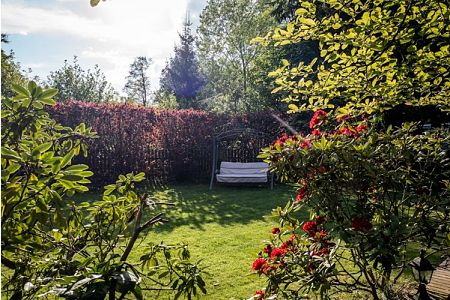
Small gardens, big impact
You don't need a half-acre to make a difference. Pull up a strip of concrete and put in a native bed. Add one tree to a bare courtyard. Replace that thirsty privet hedge with something that actually belongs here. None of these are dramatic renovations. But when enough households in the same suburb do it, the cumulative effect on heat and water use is measurable.
Thinking ahead: Planning for the next 20 years, not the next season
The tree you plant this year might not hit its stride for 15 years. That’s the reality of garden time. And the climate those trees grow into will be different from the one we have now — hotter summers, less predictable winters, probably longer dry stretches between rains. Choosing species with that in mind, building soil that can absorb a downpour and then hold moisture for weeks afterward, leaving room for the garden to adapt — that’s the thinking that separates a good garden from one that needs replacing in a decade.
Getting the planning right – whether that’s with a landscape designer, a neighbour who knows their plants, or just an afternoon with a decent garden planning tool – pays off many times over. It’s cheaper than ripping things out and starting again. And in the climate Australians are now gardening in, there’s less and less room for expensive mistakes.