Every respectful conversation across cultures, every act of kindness towards a neighbour and every rejection of prejudice strengthens the foundations of our society, writes Mainul Haque OAM.
AUSTRALIA CANNOT STOP wars overseas. We cannot prevent political upheaval in distant countries or control every piece of misinformation circulating on social media. But we can decide whether those conflicts and divisions are allowed to take root here.
That choice has never been more important.
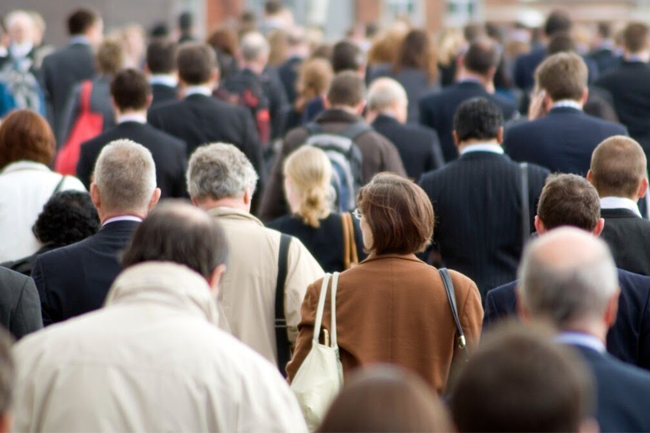
Around the world, societies are becoming increasingly polarised. Wars, political upheaval and identity-based conflicts no longer remain within national borders. Through social media and 24-hour news, events unfolding thousands of kilometres away can inflame emotions and shape relationships in Australian streets, workplaces, schools and universities within hours.
Australians should care about what happens beyond our shores. Many have deep family, cultural and historical connections to other countries. Compassion for people affected by war, persecution and humanitarian crises reflects our common humanity.
But caring about conflicts overseas is very different from allowing those conflicts to divide Australians at home.
Australia has something precious to protect.
Australians must be judged by their own actions, not by their ancestry, religion or country of origin.
Our modern multicultural nation stands alongside the enduring cultures, histories and custodianship of Aboriginal and Torres Strait Islander peoples, the First Peoples of Australia, whose connection to this land stretches back more than 65,000 years.
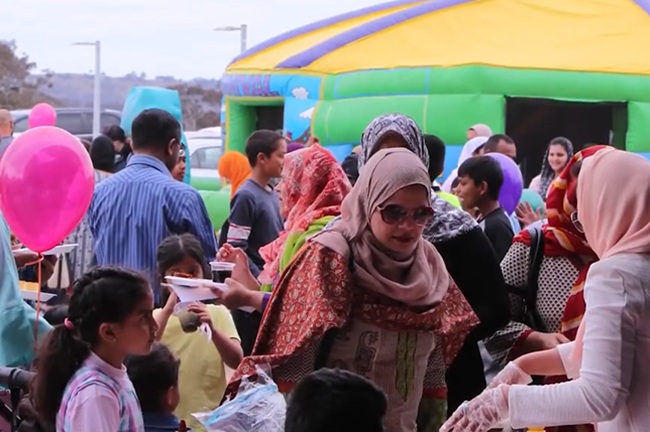
Over generations, Australia has become one of the world’s most successful multicultural societies.
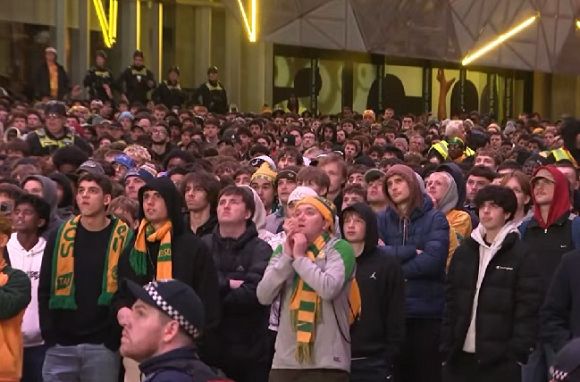
The figures tell the story. According to the 2021 Australian Bureau of Statistics Census, 29.5 per cent of Australians were born overseas, while 48.2 per cent were either born overseas or had at least one parent born overseas.
More than 7.6 million Australians were born in another country, more than 300 ancestries are represented across our population, and almost 5.8 million people speak a language other than English at home.
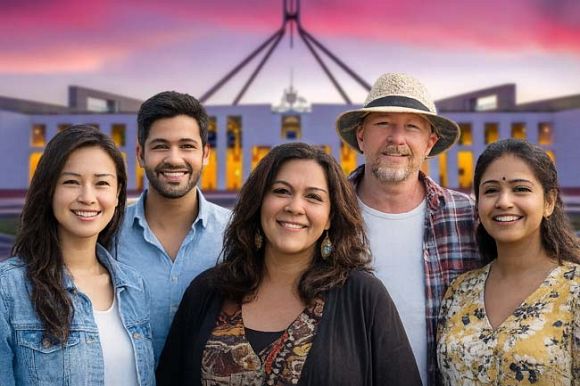
This diversity is one of Australia’s greatest strengths. It has strengthened our economy, enriched our culture and expanded our engagement with the world. Migrants have built businesses, served in our armed forces, staffed our hospitals, taught in our universities and strengthened communities in every part of the country.
Yet Australia’s success has never depended simply on diversity. It has depended on trust.
People from different cultures, religions and political traditions have accepted a common set of values: democracy, the rule of law, equality before the law, mutual respect and the belief that our shared future as Australians is more important than our differences.
That trust should never be taken for granted.
Recent years have shown how quickly overseas conflicts can create local tensions.
After the September 11 terrorist attacks, Muslim Australians experienced increased suspicion and hostility. During the COVID-19 pandemic, many Australians of Asian background were subjected to racism. Russia’s invasion of Ukraine deeply affected Australians with family ties to Eastern Europe.
More recently, the conflict in Gaza has killed and displaced thousands of people and generated passionate debate while contributing to deeply concerning increases in both antisemitic and Islamophobic incidents. Political developments in India and South Asia have also generated strong emotions among Australians connected to the region.
These reactions are understandable.
What is not acceptable is judging Australians by events beyond their control.
No Jewish Australian should be held responsible for decisions made by the Israeli Government. No Muslim Australian should be blamed for the actions of extremist groups or foreign governments. No Hindu Australian should be judged because of political developments in India. Nor should Australians of Chinese, Russian, Ukrainian or any other heritage be expected to answer for the actions of governments overseas.
Australians must be judged by their own actions, not by their ancestry, religion or country of origin.
Protecting social cohesion also requires us to confront discrimination honestly.
Social cohesion depends on the simple principle that every Australian deserves equal dignity, equal protection and equal opportunity.
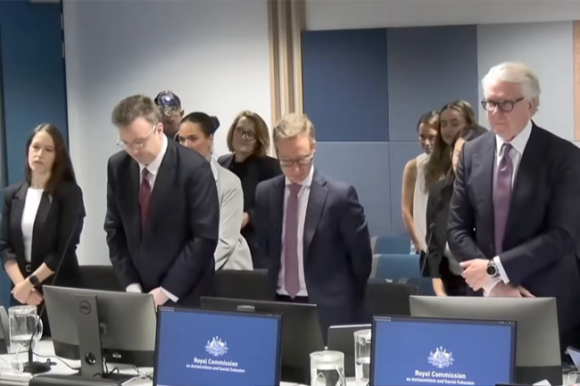
The Australian Human Rights Commission has documented the harmful impacts of Islamophobia, while the Australian Government’s Special Envoy to Combat Islamophobia recently proposed 54 recommendations to strengthen inclusion, safety and participation. Jewish Australians have also experienced an alarming rise in antisemitic abuse and intimidation.
First Nations Australians and other culturally diverse communities continue to experience racism and exclusion.
These are not competing concerns.
Hatred directed at one community weakens every community.
Australia cannot successfully combat antisemitism while ignoring Islamophobia. Nor can it address racism against one group while overlooking discrimination against another. Social cohesion depends on the simple principle that every Australian deserves equal dignity, equal protection and equal opportunity.
Research suggests this approach is working, but it also highlights the need for vigilance.
The Scanlon Foundation’s Mapping Social Cohesion research continues to show strong public support for multiculturalism and diversity. At the same time, it points to declining trust in institutions and continuing experiences of discrimination among some groups. Social cohesion is resilient, but it is not self-sustaining.
That matters because social cohesion is more than people getting along. It underpins economic prosperity, community safety and confidence in democratic institutions. Communities with high levels of trust are more resilient during crises, more willing to help one another and better able to resolve differences peacefully.
Through almost three decades in the Australian Public Service and many years of community leadership, including serving as an ACT Multicultural Ambassador, I have seen this firsthand.
I have seen Australians from different faiths and cultures work together after bushfires, support newly arrived migrants, build community organisations and stand beside one another during times of grief and celebration. Those experiences convinced me that diversity is not Australia’s greatest challenge. Division is.
Protecting social cohesion therefore requires leadership.
Political leaders should resist exploiting community fears for short-term political advantage. Media organisations have a responsibility to report accurately and avoid sensationalism that inflames tensions. Social media companies must do far more to reduce the spread of misinformation, hatred and extremist content. Community leaders must continue building bridges across faiths, cultures and communities, particularly during periods of international tension.
Ultimately, however, protecting social cohesion is not only the responsibility of governments or institutions. It belongs to all of us.
Every respectful conversation across cultures, every act of kindness towards a neighbour and every rejection of prejudice strengthens the foundations of our society.
Australia cannot choose the world we live in. But we can choose the nation we become.
We can be a country where overseas conflicts deepen local divisions, or we can remain a nation where people of every faith, culture and background disagree respectfully, reject hatred and work together for the common good.
In an increasingly divided world, protecting social cohesion is not simply good social policy. It is one of the most important investments we can make in Australia’s future.
Mainul Haque OAM is a retired Australian public servant with nearly three decades of experience in government, academia, and community leadership.
 This work is licensed under a Creative Commons Attribution-NonCommercial-NoDerivs 3.0 Australia License
Support independent journalism Subscribe to IA.