Having encouraged expansion, the Government is now curbing student visa grants to contain net migration and protect the permanent program, writes Dr Abul Rizvi.
IN MID-2025, the Government announced the student planning level for 2026 would be 295,000, which is 25,000 more than the planning level for 2025.
While consistent with the International Education Industry’s demand for “sustainable growth”, it made little sense in terms of Treasury’s net migration forecast of 260,000 for 2025-26 and 225,000 for 2026-27. A sharp increase in offshore student visa refusals suggests the Government is worried about the impact of “sustainable growth” on net migration and the permanent migration program (as it should have been at the outset).
Students contribute around 40 per cent to net migration. A material portion of those eventually flows through to applications for permanent migration. Unless the Government is prepared to increase the size of the permanent program and accept much higher levels of net migration than forecast by Treasury, it could not continue to support the International Education Industry’s demands for “sustainable growth” (because that is itself unsustainable).

As the Government prepares to consider the 2026-27 permanent migration program, it appears to have realised it could not allow student visa numbers to resume growing after the policy tightening from mid-2023 to mid-2025. The turnaround in its thinking since it announced the higher student planning level in mid-2025 has been significant. It re-confirms the fact that the Government did not think about the impact on net migration and the permanent program when it announced the higher student planning level.
In the seven months to January 2026, offshore student visa applications were up by over 13,000 on the same period to January 2025. That was driven by the increased student allocations to most providers under the higher planning level. They went out and recruited as they were encouraged to do. But student visa grants are down by over 11,000.
The data for the month of January highlights the change (see Table 1). The fall in the grant rates is indeed extraordinary. The overall grant rate for January 2026 was the highest for any January on record. That reflects poor policy and a poor use of resources.

Table 2 shows that the major tightening was again for South Asian nations. The fall in grant rates for some South Asian nations is phenomenal and continues the trend we saw in December 2025. Nepal and Bangladesh have been particularly hard hit. This is the function of a clear policy change and not an aberration or some processing officers going rogue.

While some Southeast Asian nations have also been affected, China seems to have largely been spared by the change in policy. The weakness in offshore grants for sectors other than higher education is ongoing.
The student visa policy tightening is not as dramatic as in Canada (and nor should it be, as Canada will soon reverse its approach to student visas). However, the chopping and changing of policy is poor practice and makes it impossible for education providers to plan and invest.
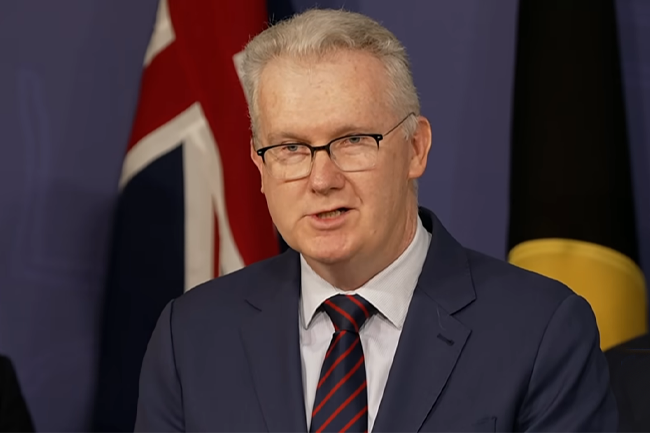
In the Sydney Morning Herald, Assistant Minister for Citizenship Julian Hill is reported to have said:
“Growth has stabilised, commencements are down by about 15 per cent.”
While that is true, his and Education Minister Jason Clare’s announcement that the new commencements planning level would be increased by 25,000 in 2026 led the Industry to increase recruitment, only to have the rug pulled out from under them through a major increase in visa refusals. That is indeed poor practice.
We need a long-term approach to managing net migration and, within that, an approach to student visas that targets high-performing students, encourages them to undertake courses that are in Australia’s long-term interests and is genuinely sustainable.
We are a very long way from that.
Dr Abul Rizvi is an Independent Australia columnist and a former Deputy Secretary of the Department of Immigration. You can follow Abul on Twitter @RizviAbul or Bluesky @abulrizvi.bsky.social.
 This work is licensed under a Creative Commons Attribution-NonCommercial-NoDerivs 3.0 Australia License
Support independent journalism Subscribe to IA.


Related Articles
- Consequences of not targeting student visa policy and a possible solution
- Student visa surge signals migration rebound despite policy tightening
- Visa fee cuts no fix for crumbling ELICOS sector
- Student visa backlog blows out as Tribunal struggles to cope
- Higher education visa boom silences university lobby groups