Cuba is in crisis as a global convoy and new alliances move to break a decades-long U.S. blockade, writes Yuki Lindley.
WITH THE MIDDLE EAST being set on fire and all eyes on Iran, one could easily have missed the catastrophic siege being waged on the people of Cuba. Long the target of U.S. imperialism, Cuba has been the little island that defied the world’s largest empire, quietly constructing an alternative to capitalism’s trickle-up economics, all under the shadow of crippling U.S. trade embargoes.
Since shaking off the U.S.-backed Batista regime in the 1960s, Cubans kicked out U.S. corporations, nationalised their resources and produced a population with a higher literacy rate than their wealthy neighbour. Because education is free, Cuba has one of the highest numbers of doctors per capita, and they are renowned for sending their doctors to help after disasters, such as Hurricane Katrina, during the COVID pandemic, and in West Africa during the Ebola outbreaks.

The current fuel blockade began when the U.S. seized control of Cuba’s main oil supplier, Venezuela, and has plunged the country into darkness, with the U.S. threatening any nation that delivers oil to the besieged nation. Trump confidently announced he would install a new U.S.-friendly head of state by the end of this year, completing the long-held U.S. desire to destroy Cuban sovereignty.
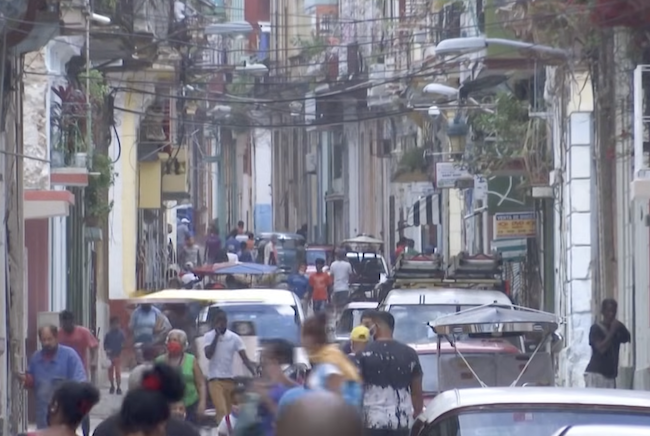
Despite heavy fuel rationing by Cubans, the country has ground to a halt, with garbage piling up in the streets, water stations unable to pump water, and food transport and refrigeration capacity collapsing. Now that hospitals are running out of fuel, the most vulnerable Cubans face an imminent threat.
But, something has been bubbling beneath the mainstream media’s notice: a growing solidarity between ordinary citizens in the West, horrified by the live-streamed genocide unfolding in Gaza, who have connected with those in the global south to take matters into their own hands. Seeing their states and international organisations fail to hold Israel and the U.S. accountable, ordinary citizens have been forced to take action.
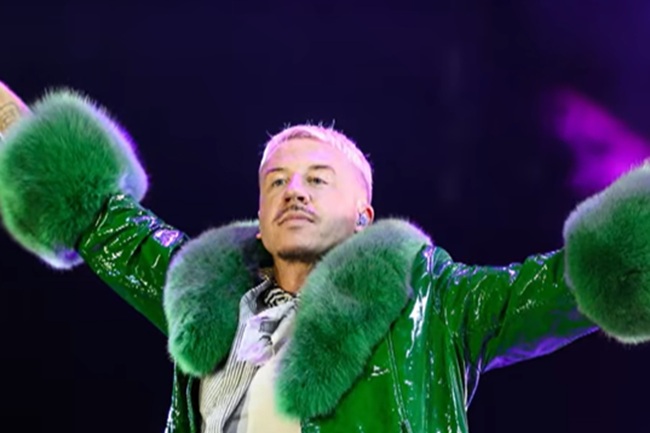
The Nuestra América Convoy, representing more than 30 countries, is heading to Cuba to deliver food, medicines, and solar panels to the besieged nation and break the U.S. blockade. Onboard will be politicians like Jeremy Corbyn, celebrities like Kneecap and a wide range of humanitarian, media and trade organisations hoping to draw the world’s attention to the criminal punishment being imposed on the Cuban people.
While oil tankers initially rerouted their oil deliveries to Cuba under U.S. threats, it’s now reported that Russia is going to defy the U.S. in delivering oil to the people of Cuba, the first such shipment in months.

While this pattern of starving Cuban’s into submission began in the 1960’s, as punishment for Castro’s nationalisation of Cuba’s industries, this latest escalation further reveals the lengths to which the U.S. will go to cling to its fading power.
With its economic might waning, the fading empire becomes most dangerous as it falls back on its military strength to try and regain what it has lost; in doing so, it hastens its own demise, for when an empire can no longer feed its own people, the cost of endless war becomes a destabilising force within its own borders.
The Romans, the Ottomans, and the Soviets learnt these lessons, and now we see the final gasp of the U.S. empire, heralding an epoch of global devastation against the backdrop of ecological collapse.
What this time of rupture holds out for us is an opportunity to take back our collective power, to reach across borders, identities and political positions in order to build space for global solidarity, led by those who have long had to understand the contours of empire, colonialism and capitalism.
The world's greatest democracy has always served the interests of corporate elites and what they fear most is our collective power.
True social cohesion begins when we take notice of who is hurting and extend our care across borders to those we may never meet, because beyond rising fuel costs, there is another story, one that has the potential to shape who we become and what kind of world we create.
Yuki Lindley is a student of philosophy of race, colonisation and Indigenous sovereignty.
 This work is licensed under a Creative Commons Attribution-NonCommercial-NoDerivs 3.0 Australia License
Support independent journalism Subscribe to IA.


Related Articles
- U.S. continues bullying tactics against Cuba
- Technology and progress ― where to from here?
- WikiLeaks releases top secret US intelligence about Hicks and Habib