The Socceroos did more than represent Australia on the football field — they reminded us that diversity makes our national story stronger, writes Mainul Haque.
THE CHATTER IN A CAFÉ in the Canberra suburb of Harrison suddenly fell silent as the Socceroos prepared for the penalty shootout against Egypt. For a few tense moments, every eye was fixed on the television.
Only moments earlier, my friends and I had been doing what football supporters do best, debating players, tactics and our favourite teams. One supported England, another Brazil, another Argentina. We followed different clubs and, outside the World Cup, different national teams.
But when the Socceroos played, none of that mattered.
We all wanted Australia to win.
That moment stayed with me because it captured something much bigger than football. It reminded me of the Australia I have experienced since arriving here in 1992.
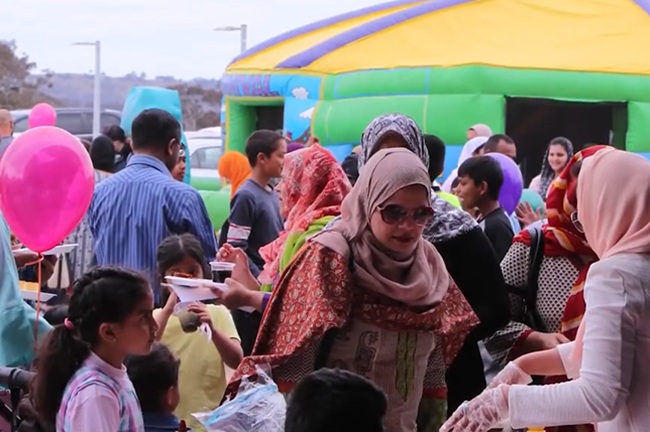
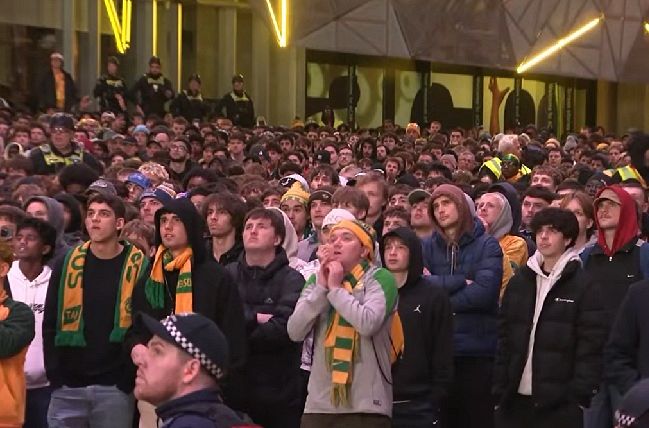
Like millions of Australians, I found myself planning my days around Socceroos matches. Across Canberra and across the country, cafés, clubs, pubs and living rooms became gathering places. People who would normally support different teams stood side by side wearing green and gold.
In Canberra, supporters gathered around the big screen in Garema Place. In neighbourhood cafés like the one in Harrison, friends and strangers shared the same excitement, the same nervousness and, ultimately, the same disappointment.
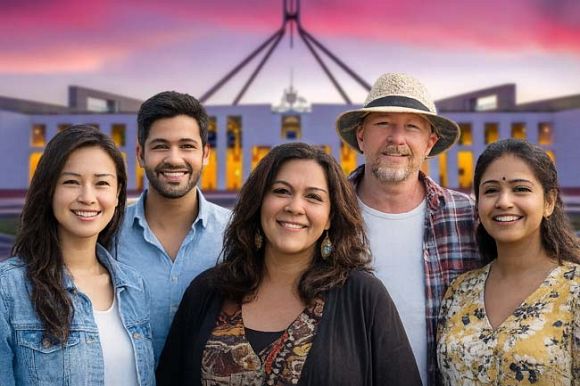
For a few weeks, we were not divided by background, religion, language or where our families came from.
We were simply Australians.
This experience made me reflect on a debate that often dominates our public conversation: whether increasing diversity is making Australia less cohesive.
My own experience tells a very different story.
When I arrived in Australia more than three decades ago, I was a newcomer trying to understand a new country and find my place. Over time, through my work, volunteering, community leadership and countless conversations with people from every walk of life, I came to understand that belonging is not something that can be created through slogans or demanded through conformity.
It grows through relationships.
It grows when people work together, celebrate together and sometimes share disappointment together.
The Socceroos gave us one of those moments.
The team itself reflects the Australia we have become. Its players have family histories from different parts of the world, yet when they wear the green and gold, they represent all of us.
Nobody asks where a player’s parents were born before celebrating a goal. Nobody questions whether they are Australian enough when they show courage on the field. We judge them by what they contribute to the team.
Perhaps we should extend that same generosity to each other.
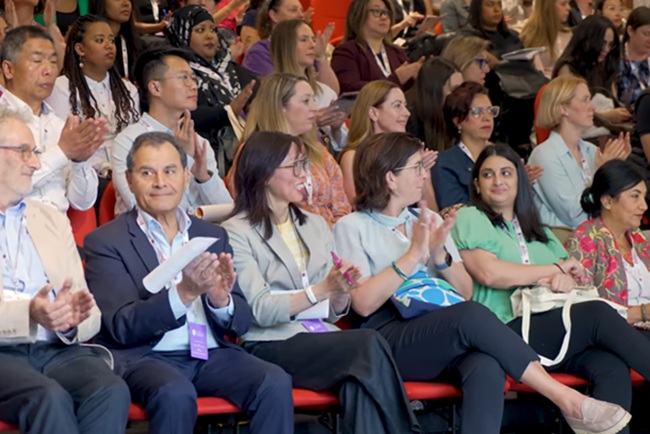
Australia has never been one story. It has always been many stories woven together.
From the world’s oldest continuing cultures of our First Nations peoples to generations of migrants who have made this country their home, Australia has always been shaped by people with different histories, experiences and traditions.
Our diversity is not a threat to our national identity. It is part of our national identity.
Of course, a diverse society does not happen automatically. It requires effort. It requires fairness, participation, respect and a shared commitment to the values that hold us together.
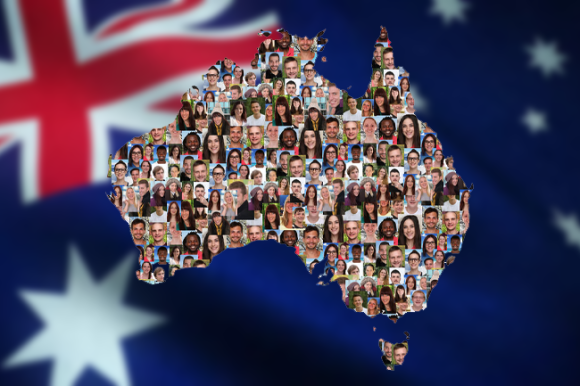
But unity does not mean everyone must look the same, speak the same way or have the same story.
The strongest teams are not built by having identical players. They succeed because people with different strengths work towards the same goal. Countries are no different. The Socceroos reminded us of that.
When Australia was eliminated, millions of people shared the same heartbreak. Yet even in disappointment, there was something powerful.
We had celebrated together.
We had hoped together.
We had belonged together.
Long after the goals are forgotten, that is what I will remember from this World Cup.
The Socceroos did more than represent Australia on the football field.
They reminded us what Australia can be when we recognise that our different stories are not barriers between us, but threads that make our national story stronger.
Mainul Haque OAM is a retired Australian public servant with nearly three decades of experience in government, academia, and community leadership.
 This work is licensed under a Creative Commons Attribution-NonCommercial-NoDerivs 3.0 Australia License
Support independent journalism Subscribe to IA.


Related Articles
- Australia’s identity crisis: Still lucky, still lost
- The idea of American exceptionalism has infected Australia