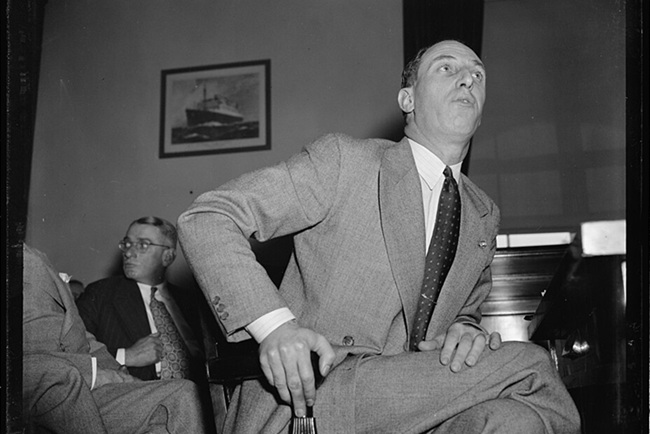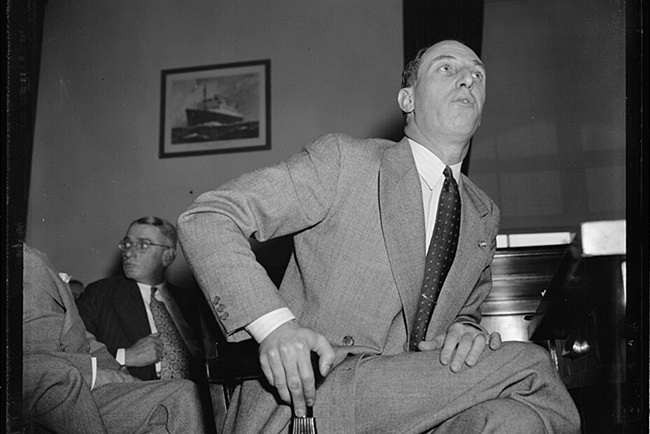
Melbourne-born Harry Bridges defied the odds by standing tall and proud, and refusing to buckle under the immense pressure brought to bear on him by the U.S. Government, writes Peter Afrasiabi.
PERHAPS THE MOST IMPORTANT AUSTRALIAN to have ever emigrated to America is a man you have almost certainly never heard of — Harry Bridges.
Born in Melbourne, Harry left Australia as a teenage sailor in the 1920s, imbued with progressive labour beliefs he had learned in his youth.
He made his way to San Francisco, and after time as a sailor and then a longshoreman, he was by the early 1930s reeling from the terrible indignities and inequities experienced by longshoremen during the Great Depression.
He began speaking loudly and demanding a real union, and although he was not part of the union management, the men on the front lines started listening to his unique progressive voice.
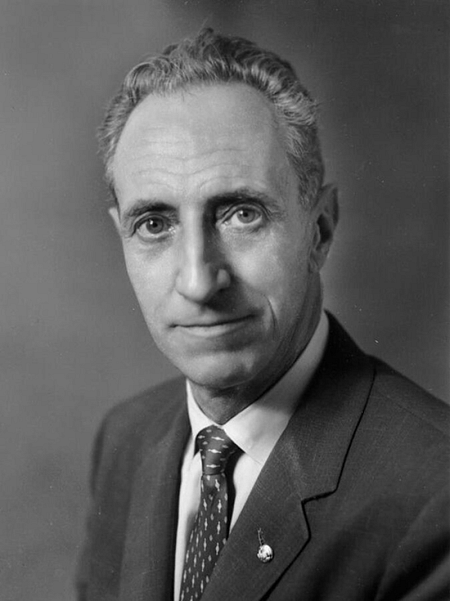
Demanding a strong union willing to strike, one that was democratic and tolerated no racial inequities, he eventually rose to prominence in the union by sheer force of personality.
He led the then-largest U.S. West Coast strike in history, a strike where police killed labour protesters in what became known as “Bloody Thursday.”
By the time the strike ended, Harry had created a real union and President Franklin D Roosevelt’s administration settled the strike with a fair labour contract.
But the price Harry paid for these successes was heavy.
American private enterprise working with government forces spent over two decades trying to frame him as a member of the Communist Party in order to deport him back to Australia.
He faced assassination attempts, bribery, and perjured witnesses. He was forced through four separate deportation and criminal trials.
Then-Director of the Federal Bureau of Investigation (FBI) J. Edgar Hoover personally came to San Francisco to lead the criminal investigations.
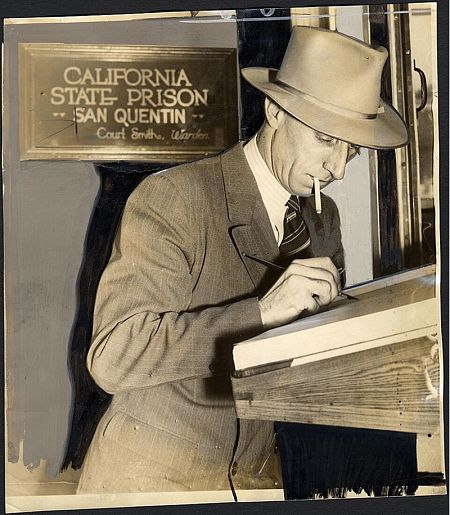
Bridges was imprisoned at one point for publicly opposing the Korean War. His case went to the United States Supreme Court twice.
But through his twenty-year persecution-by-prosecution campaign, he never backed down in his stance: a democratic union where he never earned more than the highest-paid longshoreman.
His union still exists today, and the ideals he fought – and some of his men died for – now seem decidedly uncontroversial: safe working conditions, fair pay, no racism in the union, and a transparent democratic union where everyone gets work.
United States Supreme Court Justice Robert H. Jackson wrote these words about the crusade against Bridges:
“The record in this case will stand forever as a monument to man’s intolerance of man. Seldom if ever in the history of this nation has there been such a concentrated and relentless crusade to deport an individual because he dared to exercise the freedom that belongs to him as a human being and that is guaranteed to him by the Constitution.”
But even then the government crusade continued for another ten years, until he finally beat the government and secured his freedom.
Thus, the basic labour pillars in the modern world of American longshoring, at least, started with an Australian émigré to America, a man who refused to buckle to government bullies and a man who demanded that his Australian-bred, progressive beliefs find a home in his new homeland.
The Bridges saga, therefore, is in one sense the story of the transmission mechanism that immigration affords, the story of how Australian progressive labour beliefs were incorporated into American democracy by the sheer demand and will of a man and his union.
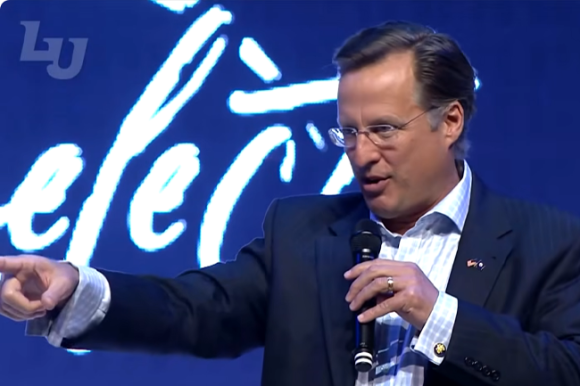
He defied the odds by standing tall and proud, and refusing to buckle to the immense governmental pressures.
At the end of twenty years of criminal deportation trials, he was forced before Congress, where he was again subjected to an inquisition to trap him on perjury charges.
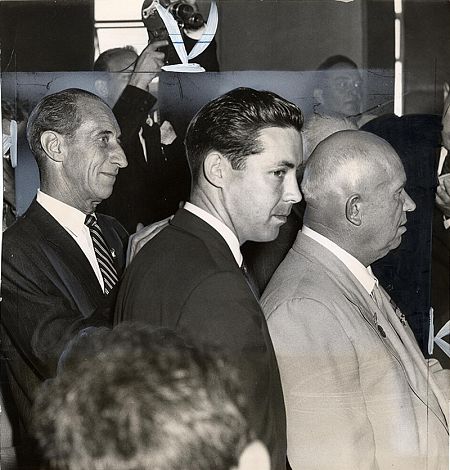
He refused to play the game, ending the saga by defiantly telling the questioner, “You are off the beam, Congressman.”
Harry Bridges’ story should not be forgotten on American shores, but it should also be known on Australian shores.
In America, Harry graced the cover of Time Magazine in 1937. Eighty years later, perhaps his time has come to grace the cover of an Australian magazine, for he was a man to make you proud.
Peter Afrasiabi is an American lawyer and author, and his book is the story of the Harry Bridges trials, Burning Bridges: America’s 20-Year Crusade to Deport Labor Leader Harry Bridges (with a Foreword by famed U.S. Legal Scholar Erwin Chemerinsky). Published in the United States, it is available in Australia via Amazon.
 This work is licensed under a Creative Commons Attribution-NonCommercial-NoDerivs 3.0 Australia License
Support independent journalism Subscribe to IA.