Wondering how Australian homes can save water and avoid drainage faults? Learn about leak checks, WELS fittings and storm-ready drains for a Gold Coast home.
How can you save water and avoid drainage faults?
Water is one of the most stretched resources in Australia. Every household shapes how far the supply stretches each year. On the Gold Coast, long dry spells and sudden downpours both test the pipes inside the average home.
Getting drainage and plumbing right cuts waste and guards the home against damage. A licensed local team such as DCM Plumbing & Drainage can find leaks and clear blocked drains before they grow. This article looks at how better water care helps the household budget and the wider catchment.
Why do Australian homes waste so much water?
Most water loss at home stays out of sight. A dripping tap can waste up to 200 litres a day. A leaking toilet can lose as much as 260 litres in the same period. Over a year, those small faults add up to thousands of litres.
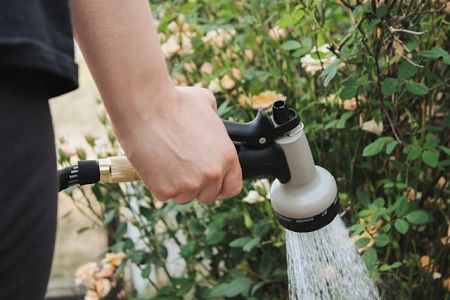
Outdoor use lifts the total further. Gardens and lawns can account for about 40% of a household's water. Poor irrigation and cracked pipes send much of that straight into the soil. The City of Gold Coast asks residents to reduce their water use as local demand keeps rising.
Ageing pipes are another quiet drain on supply. Old joints corrode and small cracks widen under pressure. A yearly check keeps these faults from becoming burst pipes. Homes built before the 1990s often carry the highest risk. Their pipework has simply had more time to wear.
How can you spot a hidden leak early?
You do not need a plumber to notice the first signs. A few simple checks catch most leaks early.
- Read your water meter at night, then again before anyone uses a tap.
- Look for damp patches on walls, floors or ceilings that never dry out.
- Listen for running water when every tap is switched off.
- Watch for a water bill that climbs without any change in habits.
- Check garden beds that stay wet long after the rain has stopped.
A licensed plumber can trace the source with meters and cameras. Early leak detection often saves 15% or more on a quarterly bill. The sooner a fault shows, the cheaper the repair.
What makes home drainage fail during heavy rain?
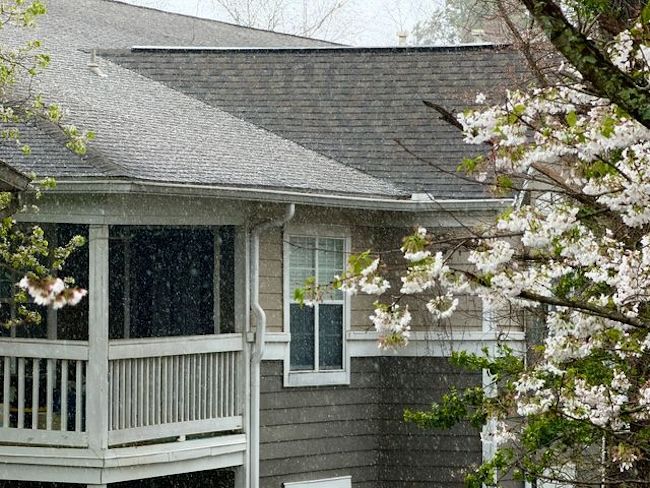
Heavy rain puts drains under real strain. Gutters, downpipes and stormwater lines all fill at once. When any part blocks, water backs up toward the house.
Australian cities are seeing wetter, sharper storms. Researchers have warned of rising flash flooding in cities as the climate shifts. A home built for gentle rain can struggle with a sudden 40-millimetre burst.
Blocked drains are usually the first weak point. Leaves, grease and tree roots narrow the pipe over time. Clearing them before storm season lowers the risk of an indoor flood.
Good drainage also protects the street and creek beyond the fence. Water that leaves a property cleanly puts less pressure on public systems. Silt and litter washed off a blocked yard end up in local waterways. Keeping drains clear is a small act of catchment care.
Which upgrades save the most water at home?
Small fittings deliver the biggest savings for the least cost. The WELS rating label shows how each product compares.
- Efficient showerheads: A WELS 4-star head uses 6 to 7 litres a minute, down from 15 to 25 litres.
- Dual-flush toilets: Modern units use 4.5 litres for a full flush and 3 litres for a half.
- Tap aerators: These cut tap flow to about 2 litres a minute with no loss of pressure.
- Rainwater tanks: Stored rain can cover the garden and lower mains use through summer.
- Pressure checks: Easing high mains pressure reduces both leaks and daily waste.
Seqwater encourages water-wise habits across South East Queensland. A few upgrades together can halve the water a home draws each day.
When should you call a licensed plumber?
Some jobs are safe to handle yourself. A blocked drain that keeps returning, or any burst pipe, needs a licensed hand.
Gas work and hot water systems carry real safety risk. Only a licensed plumber or gas fitter should touch them. A 24/7 service matters when a pipe bursts at 2 am.
Regular maintenance costs far less than emergency repair. A yearly inspection from a team like DCM Plumbing catches worn parts early. That habit spares the home a midnight flood and a large bill.
Household choices also feed bigger questions. Sound water planning depends on demand staying in check across every suburb.
Water-smart habits worth keeping
- A dripping tap can waste 200 litres a day, so fix leaks fast.
- Check your meter overnight to catch hidden leaks early.
- Clear drains before storm season to avoid an indoor flood.
- WELS-rated fittings can nearly halve the water a home uses.
- Rainwater tanks and tap aerators lower mains demand cheaply.
- Licensed plumbers should handle gas, hot water and burst pipes.
Making every litre count on the Gold Coast
Better water care starts with small, steady steps. Fixing leaks, clearing drains and choosing efficient fittings protect the budget and the supply at once. A well-kept home wastes less and copes better with each storm. That is a fair outcome for the household and the catchment alike.
FAQ
How often should I check my home for leaks?
A quick meter check every few months catches most hidden leaks. Read the meter at night, then again before any tap is used in the morning. A change with no use points to a leak worth chasing.
Are blocked drains a health risk?
Yes, standing water and sewage backups can carry bacteria into the home. A blocked drain that smells or overflows should be cleared quickly. Prompt repair also keeps damp and mould from spreading.
Do water-efficient fittings really save money?
They do and the savings show up on every quarterly bill. A WELS 4-star showerhead can save a household more than $150 a year. The fittings usually pay for themselves within a season or two.
Is a rainwater tank worth it in Queensland?
For many Gold Coast homes, yes. A tank lowers mains use for the garden and laundry through dry spells. It also eases pressure on stormwater during heavy rain.