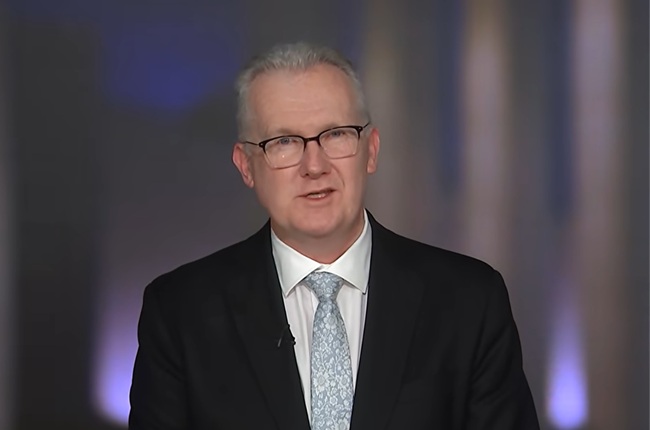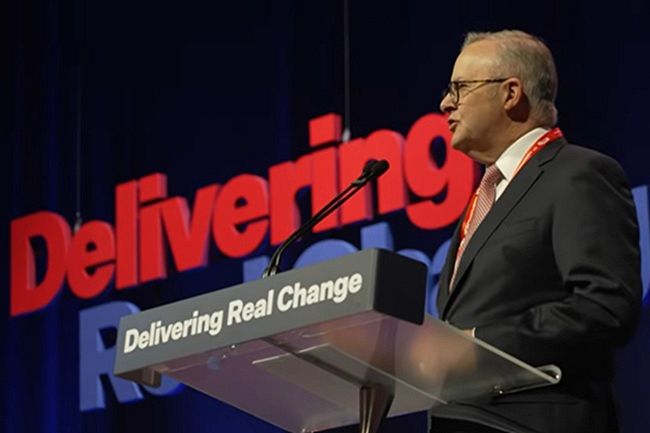
While the Albanese Government has come late to the importance of managing net overseas migration, it is good that it will now act, writes Dr Abul Rizvi.
THE AUSTRALIAN IS REPORTING a Government leak that the Minister for Immigration will in future have to report quarterly to Cabinet on progress towards its net overseas migration (NOM) target.
That is an extraordinary transformation for a Government that in 2023 insisted NOM was not something it managed.
In May 2023, when asked about the surge in NOM compared to the Treasury forecast, Treasurer Jim Chalmers said:
“That isn't a government policy or a government target. It's not a floor or ceiling, it's not something the government determines.”
That response sowed the seeds for an ongoing failure to manage NOM.
Before that, former Home Affairs Minister Clare O’Neil had deliberately excluded questions about immigration levels from the terms of Reference for the Parkinson Review because of concerns about the public debate that would be generated.

More recently, Immigration Minister Tony Burke has said with respect to population growth and NOM (the main driver of population growth) that:
“there is no magic number”
Well, at last the Government is prepared to say not only that there is a magic number (NOM of 225,000) but that the Minister for Immigration will have to report quarterly to the Cabinet on delivery to that target. While it has been a painful process getting to this point, it is good that we are actually here.
In 2024, I gave this speech to the National Press Club arguing for managing to a long-term NOM target.
For the Government, it means explaining to the public the merits of that target, how the Government would deliver it, and putting in place an administrative/policy framework to manage to the target.
There are three main benefits in doing so.
First, it gives reassurance to the public that immigration policy is being managed in the national interest rather than being allowed to just take its own course. The current highly misinformed debate on NOM levels highlights the mistake of not properly managing NOM to a target.
Second, it places a discipline on ministers who come up with ideas for a new visa or a tweak to an existing visa to formally address the impact on NOM.
Four examples where such discipline was lacking were the Morrison Government’s negotiation of new rules for the working holiday maker visa for UK nationals and its introduction of unrestricted work rights for students.
The Albanese Government’s decision to streamline the pathway to Australian citizenship for NZ citizens, and allowing Education Minister Jason Clare to announce a student National Planning Level with no regard for the consequences for NOM.
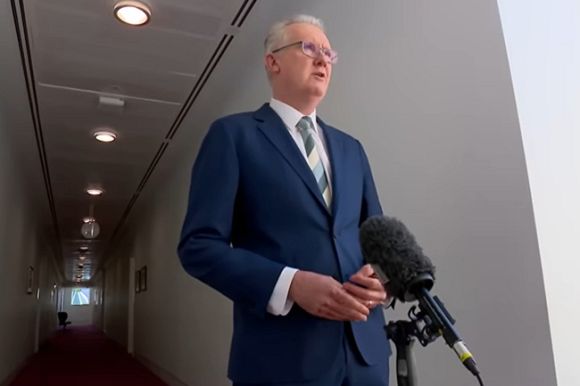
Third, it means that when NOM is outside the target range, the responsible minister has to take action to get it back into the range rather than allow things to fester, as the Albanese Government has since the NOM surge of 2022-23.
It means the flow-on consequences of the surge are limited rather than allowed to keep growing, making it increasingly more difficult to address those consequences.
The consequences include a range of massive application backlogs, including the bridging visa backlog of over 400,000, as well as unsustainable pressure on the permanent migration program.
While the Albanese Government has come late to the importance of managing NOM, it is good that it will now act. Hopefully all future governments will maintain such discipline in the management of NOM.
Dr Abul Rizvi is an Independent Australia columnist and former Deputy Secretary of the Department of Immigration. You can follow Abul on Twitter @RizviAbul or Bluesky @abulrizvi.bsky.social.
 This work is licensed under a Creative Commons Attribution-NonCommercial-NoDerivs 3.0 Australia License
Support independent journalism Subscribe to IA.