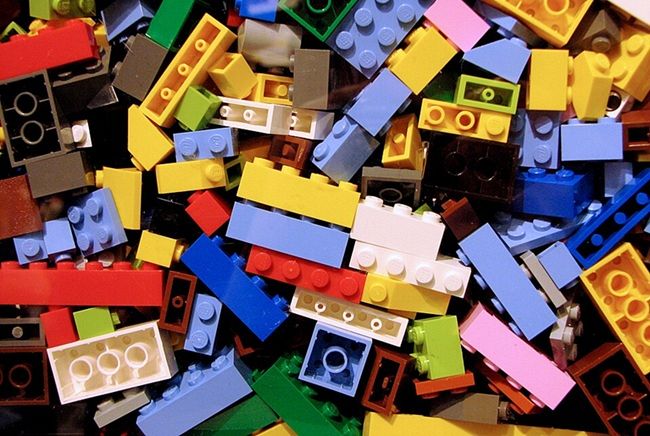
Worldwide, most plastics end up in landfills and take hundreds of years to degrade. The obvious answer is to stop making plastic altogether, or to manufacture it in a way that makes it disposable, writes Patrick Drennan.
ENVIRONMENTAL GROUPS report daily on how microplastics used in nylon clothing, cosmetics and medicines are polluting the land, rivers, and oceans.
They have entered the stomachs of humans, animals and fish. Most plastics are made from petroleum, which is extracted in an air-polluting process.
In Norway and Sweden, they incinerate most of their Polyethylene terephthalate (P.E.T.) plastic and use the carbon by-products to heat millions of homes. Their factories have stringent air filters.
Nevertheless, worldwide, most plastics, including Styrofoam, polystyrene, acrylic, and the ubiquitous nylon, end up in landfills and take hundreds of years to degrade. The obvious answer is to stop making plastic altogether, or to manufacture it in a way that makes it disposable.
The scientists at LEGO have been working on it.
LEGO bricks have been made in Denmark since 1949. They were made of wood until 1960. After this, LEGO scientists developed the strong plastic bricks we know today.
These bricks are made from Acrylonitrile, Butadiene and Styrene (ABS), which makes them strong, recyclable, and shiny. Just as important, children can stick them together and pull them apart with their fingers, regardless of the ambient temperature.
When any of the billion LEGO bricks manufactured each year is dumped in landfills, they take hundreds of years to biodegrade.

LEGO scientists have made several attempts over the years to address the harm these bricks cause to the environment. The problem is recreating the ABS elements that have made LEGO such a success.
Their first attempts using sugar cane material were not successful. They then experimented with recycled P.E.T. plastics, but that didn’t work. Currently, they are seeking to find an alternative by 2032. Maybe they could go back to making them from wood?
Wood
The sawmilling industry often emits toxic gases through heavy machinery extraction and manufacturing processes.
Dangerous chemicals are used in the finishing of wood products for preservative treatment, adhesive application and coating. These chemicals pollute air and water. Currently, many sawmilling processes worldwide result in a lot of inferior wood products being dumped.
However, in some paper mills in high-producing countries like Finland, excess wood is being separated into three main components: lignin, cellulose and hemicellulose. All these components can be processed into plastic-like materials or ethanol.
Furthermore, mills that previously used processing chemicals like sulphur are now switching to high-pressure hydrolysis, using just water.
Wood has great potential. It can be processed to be completely biodegradable, as well as new forests offsetting global heating.
Glass
According to the European Container Glass Federation (FEVE), glass is the only packaging product that is fully recyclable.
In Europe, 90% of glass is recycled. This is done by two methods.
In the first method, glass is crushed into what is called a cullet. The cullet is then mixed with soda ash, limestone and dolomite before it is melted at a high temperature. From there, it is moulded into glass bottles and jars, and other products such as fibreglass.
In the second method, the glass is crushed and is used as an aggregate for road asphalt.
Even without subsidies, it is profitable for the factories processing the glass.
Unfortunately, most countries do not have the regulatory framework of the European Union.
In the United States, with various states and municipalities responsible for rubbish collection, only 33% of glass is recycled. Also, the processing of recycled glass is not environmentally clean. The furnaces that melt the glass must reach a temperature of around 1,500 degrees Celsius and many are run by fossil fuels.
The asphalt glass also releases toxic dust. The model of recycling is only reliable if the demand for recycled glass remains high. Unfortunately, as we know, soft drink and alcohol glass bottles come in many shapes and sizes.
Recycled glass bottles are seldom used. In Europe, people get paid to return their bottles, but in most Western countries this is a new concept. The third world does not have buy-back schemes at all. Nevertheless, glass certainly completes the recycling circle more than other plastic alternatives.
Cotton
While biodegradable, the process of growing and processing cotton requires a lot of water. The land also requires extensive use of fertilisers and pesticides, polluting air, land, and waterways.
Attempts at growing cotton organically, with better use of these inputs, are increasing. Organic cotton is grown without man-made fertilisers. It is better for people who suffer from allergies and skin sensitivities. However, now, organic cotton is much more expensive than nylon.
Bamboo
Bamboo is fast-growing and does not require the water and fertilisers of cotton. It is increasingly being used in building materials, manufactured items such as toothbrush handles and in linen.
The processing of bamboo linen often releases harmful by-products such as sodium hydroxide, sulfuric acid, and carbon disulphide. Bamboo building products must be treated against insect or fungus attack before being utilised. One analysis of bamboo straws made in China found they comprised 60% resin, 20% corn starch and 15% bamboo powder.
On balance, if manufacturing standards can be ensured, bamboo has high potential.
Sugar cane/Corn starch
Corn and sugar are processed to create synthetic polymers called polylactic acid (PLA). This is manufactured into injection moulding, film, and food containers. PLA products are compostable and UV resistant.
However, if the material is deposited in a landfill without the proper oxygen and light, the PLA material may not decompose for decades. It requires large-scale industrial facilities that are limited in number (the United States has fewer than 100).
The cultivation of corn uses more nitrogen fertiliser, more herbicides, and more insecticides than any other U.S. crop. Sugarcane from Brazil and India requires fewer chemicals and processing there is more sustainable.

Jute/Hemp/Flax
These crops can be quickly grown on marginal land and do not require a lot of water. The finished packaging products are reusable and biodegradable.
The EU research facility Cordis tested flax and hemp because of their high cellulose and low lignin contents. The processed cellulose was used to manufacture thermoformed trays for food packaging on an industrial scale. These plants can be processed to produce paper, ropes, textiles and building materials.
However, the processing of these goods often requires mixing with other chemicals such as boric acid. Also, lighter materials stain more quickly than other products and cannot be washed in home washers.
Scientists are racing to produce enzymes that will degrade plastic, even Styrofoam, without creating by-products that damage the environment. They are experimenting with waxworms that devour plastic. Most of these solutions will take years to eventuate.
For now, the use of plastics, such as partially recyclable .PE.T., will continue. Fortunately, public awareness is at an all-time high. One poll shows that 85% of Australians want to reduce their use of disposable plastics. Around 75% of people in Britain think it should be a government priority to tackle plastic pollution.
Meanwhile, plastic alternatives rely on the efficacy and ethics of the companies that produce them.
Patrick Drennan is a journalist based in New Zealand, with a degree in American history and economics.
 This work is licensed under a Creative Commons Attribution-NonCommercial-NoDerivs 3.0 Australia License
Support independent journalism Subscribe to IA.