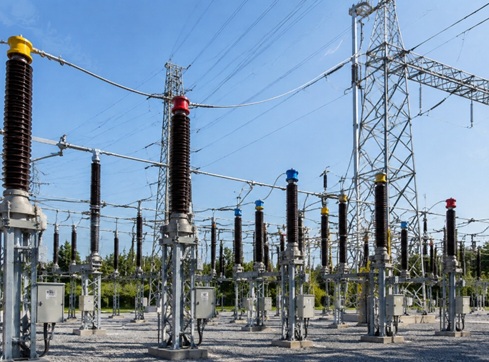
My electricity bill last winter nearly gave me a heart attack. Three $347 for a month where I'd barely been home. That's when I knew something had to change. Not just for my wallet, but for the nagging feeling that I was part of the problem every time another bushfire season rolled around.
Turns out, I'm not alone. Thousands of Aussies are quietly revolutionising their homes, one upgrade at a time. And here's the kicker — most of these changes pay for themselves within a few years.
Water conservation: Your first line of defence
Let's start with the obvious. Australia and New Zealand’s relationships with water have always been complicated. We're either drowning in floods or rationing during droughts.
Installing a rainwater harvesting system changed everything for my family. That first storm after installation, watching thousands of litres flow into storage instead of down the street drain? Pure satisfaction.
The math is simple. A decent 5,000-litre tank system runs about $3,000 installed. With water prices climbing yearly, you're looking at breaking even within four to five years. After that, it's money in your pocket.
Our Kiwi neighbours across the ditch have been onto this for years. Companies like Tanks a Lot in New Zealand have perfected slimline designs that fit even the tightest urban spaces. The same technology is making its way here, meaning no more ugly concrete cylinders dominating your backyard.
But here's what nobody tells you about rainwater tanks. The real savings come from changing your habits. Once you see that gauge dropping during dry spells, you become conscious of every drop.
My teenager's forty-minute showers? Ancient history. We installed a simple timer that cuts the hot water after fifteen minutes. Harsh? Maybe. Effective? Absolutely.
Greywater recycling is the next frontier. That water from your washing machine and shower doesn't need to be drinking quality to keep your garden alive. A basic diverter system costs under $500 and can be installed in an afternoon.
I watched my neighbour's lawn stay green through last summer's water restrictions while mine turned to dust. Guess who's getting a greywater system this year?
The low-flow fixtures argument used to drive me crazy. Early models were terrible — trickles pretending to be showers. But the new generation actually works.
My plumber showed me a showerhead that uses air injection technology. Feels like a normal shower but uses 40 per cent less water. Twenty bucks at Bunnings. Sometimes the simple solutions are the best ones.
One family in my street collected enough rainwater last year to run their entire household for six months. Their secret? Multiple collection points and a first-flush diverter that keeps the really dirty stuff out.
They even use it for drinking after running it through a basic filter system. The look on visitors' faces when they mention their tap water fell from the sky last Tuesday? Priceless.
Energy independence through solar
Solar panels used to be for hippies and tech nerds. Now my seventy-year-old mother calls me asking about feed-in tariffs and kilowatt hours.
The game has completely changed. Five years ago, a decent solar setup would set you back twenty grand. Today? You're looking at six to eight thousand for a system that'll cover most household needs.
But here's where it gets interesting. Batteries are the real revolution. My mate installed a Tesla Powerwall last year. During the recent blackouts, his was the only house on the street with lights on. His kids thought it was magic.
The economics make sense now, too. With time-of-use pricing, you charge your batteries when electricity is cheap, then run off them during peak hours. Some households are actually making money selling power back to the grid.
Most people don't realise the government rebates available. The federal Small-scale Renewable Energy Scheme knocks thousands off installation costs. Then there are state incentives that stack on top.

Victoria's Solar Homes program? Up to $1,400 off panels, plus an interest-free loan. Queensland's regional feed-in tariffs can hit 16 cents per kilowatt hour. That's real money coming back to you.
Choosing between grid-tied and off-grid used to be simple. Grid-tied was cheaper, off-grid was for remote properties. Not anymore.
Hybrid systems give you the best of both worlds. Stay connected for backup, but run independently most of the time. When the grid fails, you keep humming along. When you produce excess, sell it back.
The smart monitoring is what really sold me. My phone shows exactly what every appliance is using in real-time. That old beer fridge in the garage? It was costing me thirty bucks a month. It's gone now.
You start playing this game where you try to keep your grid usage at zero. Run the dishwasher when the sun's blazing. Schedule the pool pump for midday. It becomes oddly addictive.
Peak shaving sounds technical, but it's dead simple. Your battery system learns your usage patterns and automatically draws from storage during expensive peak times. Set it and forget it.
One family in Brisbane hasn't paid an electricity bill in two years. They oversized their system slightly and the feed-in credits cover their connection fees. Their teenage daughter made a TikTok about it that went viral.
The installers tell me the same story. People start with basic panels, planning to add batteries later. Six months in, they're calling back, kicking themselves for not going all-in from the start.
Even apartment dwellers are getting creative. Body corporate solar gardens where everyone owns a share. Virtual power plants where your battery talks to others in the network. The future is already here.
My neighbour works from home and charges his electric car off solar. His fuel and power bills combined? Less than what I spend on coffee. Makes you think.
The best part? Every panel installed is one less coal plant running somewhere. My kids actually respect me more for it. Who knew saving money could make you cool?
Insulation and passive design
Everyone obsesses over solar panels, but insulation is the unsexy hero of sustainable living. It's like wearing a good jacket instead of cranking up the heater.
My house was built in the eighties. Single-glazed windows, zero wall insulation, and you could feel the breeze through the power outlets. Sound familiar?
Double glazing was my first big investment. The quotes made me dizzy — 15 grand for the whole house. But here's what the salespeople won't tell you. You don't need to do everything at once.
Start with the rooms you use most. My living room and main bedroom cost $4,000. The difference was immediate. No more condensation, no more traffic noise and the heater actually worked.
I saw these incredible custom wardrobes in Wellington that made me realise what's possible. Floor-to-ceiling organisation that uses every millimetre. Suddenly a small bedroom feels spacious.
The thermal mass thing sounds like physics homework, but it's simple. Heavy materials absorb heat during the day and release it at night. Concrete floors, brick walls, even a strategically placed water feature.
My architect friend built her house with the living areas facing north and bedrooms tucked away south. Winter sun floods in through big windows. Summer sun can't reach inside thanks to calculated eaves. Her heating bill? Basically nothing.
Natural ventilation beats air conditioning every time. Position windows to catch cross-breezes. Install ceiling vents to let hot air escape. My place now has whirlybirds that spin like crazy on hot days, pulling heat out without using any power.
Green roofs aren't just for hipster cafes anymore. My cousin in Melbourne covered his garage roof with succulents. Keeps the space below cool, looks incredible, and the local birds love it.
Living walls are next level. That ugly western wall that cooks all afternoon? Cover it with a climbing frame and plants. Instant cooling, plus you get passion fruit or grapes as a bonus.
Smart storage and space optimisation

Sustainability isn't just about energy. It's about using what you've got intelligently. Most of us have houses full of stuff we never use, heating and cooling rooms that are basically expensive storage units.
Custom storage changed my life. Sounds dramatic, but it's true. When everything has a place, you stop buying duplicates. You stop losing things. You stop feeling stressed.
Multi-functional furniture is having a moment. Ottoman storage boxes, dining tables that expand, beds with built-in drawers. My daughter's tiny room now fits her entire life thanks to a loft bed with a desk underneath.
The decluttering process itself is therapeutic. That exercise bike gathering dust? Someone on Facebook Marketplace will actually use it. Those books you'll never read again? The local library accepts donations.
Upcycling has gone from daggy to desirable. An old ladder becomes a bookshelf. Wooden pallets transform into vertical gardens. Mason jars turn into bathroom organisers.
My best find? An old filing cabinet, spray-painted and turned on its side. Now it's a TV unit with perfect compartments for game consoles. Cost me twenty bucks plus a can of paint.
Sustainable gardens and food production
Growing your own food is the ultimate sustainable upgrade. No transport emissions, no plastic packaging, and you know exactly what's going into your body.
Square metre gardening changed everything for me. Instead of rows, you divide beds into squares. Each square holds a different crop. Nine lettuce plants where one tomato would go. It's genius.
Vertical gardens are perfect for small spaces. My balcony now produces more herbs and vegetables than my old quarter-acre block ever did. Pocket planters on every wall, climbing beans and peas on trellises.
My neighbour documented her garden transformation beautifully. She even hired a professional - found someone who usually does wedding photography and videography packages, but also shoots lifestyle projects. The before-and-after photos convinced half our street to start growing.
Composting isn't gross anymore. The new tumbler systems seal completely. No smell, no rats, just black gold every few weeks. My kids fight over who gets to spin it.
Worm farms are even better. Stackable trays that fit under your kitchen sink. Feed them scraps, collect the castings and worm tea. Best fertiliser money can't buy.

Chickens are having a moment. Two hens give you a dozen eggs weekly, plus endless entertainment. They eat scraps, make fertiliser, and the kids learn responsibility. Council regulations are relaxing too.
The permaculture principles work. Plant once, harvest forever. My food forest started three years ago. Now I've got fruit trees, bush foods, and ground covers all supporting each other.
Native plants feed local birds and bees while needing zero maintenance once established.
The social side of sustainability
Sustainability isn't a solo sport. The community aspect might be the best part of this whole journey.
Working bees make big projects manageable. Eight neighbours, one Saturday, and suddenly someone has a complete rainwater system installed. Next month, it's someone else's turn.
Repair cafes are popping up everywhere. Bring your broken stuff; someone knows how to fix it. My daughter learned to solder, fixing her headphones. That toaster from 1982? Still going strong after a simple rewire.
When my friend decided to downsize to a tiny home, the whole street pitched in. We hired house movers in West Auckland who specialised in eco-friendly relocations. They used solar-powered equipment and recyclable packing materials. Made the whole process feel aligned with her values.
Tool libraries make so much sense. Why does every house need a tile cutter gathering dust? Our street shares everything from pressure washers to pasta makers. There's a spreadsheet and everything.
Sustainability workshops build connections. I met my three closest friends at a preserving class. Now we batch-cook together monthly — everyone goes home with a freezer full of meals.
The knowledge sharing is invaluable. Someone's always figured out what you're struggling with. Best solar installer? Ask the Facebook group. Fruit fly problems? Jenny down the road has a foolproof trap.
Kids get it immediately. My daughter's school has a sustainability captain now, like a sports captain but cooler. They run composting programs, nude food days and walk-to-school challenges.
The ripple effect is real. One solar installation leads to three more on the same street. Change spreads faster than you'd think.
The mobile sustainable lifestyle

Sustainable living isn't always about upgrading your house. Sometimes it's about questioning whether you need a traditional house at all.
The tiny home movement has exploded here. Not just for millennials either. Empty nesters are downsizing into three-hundred-square-foot masterpieces that cost less than a kitchen renovation.
My brother sold his McMansion and bought a converted bus. Now he parks wherever he wants, his expenses dropped by ninety per cent, and he reckons he's never been happier.
The campervan lifestyle is booming too. Check out the variety of campervans for sale these days. Solar panels on top, composting toilets, full kitchens. It's an apartment living on wheels.
What strikes me is how little these people miss. When every item needs to earn its space, you only keep what matters. One pot that does everything. Three perfect outfits instead of a wardrobe full of maybes.
Community living is the secret sauce. Tiny home villages where everyone shares a communal garden and workshop. Van life meetups where someone always has the tool you need. The isolation of suburban living just disappears.
Making the move to sustainability
Ready to jump in? The planning phase matters more than you think. Map out your priorities. Energy savings? Water security? Simply wanting to sleep better, knowing you're doing your part?
Start with an energy audit. Many councils offer them for free. Some guy spent three hours at my place with thermal cameras and air pressure tests. Found gaps I never knew existed.
Finding the right professionals makes everything smoother. Document your journey. People love this stuff. My Instagram following tripled when I started posting renovation updates. Sounds extra, but those photos convinced three neighbours to go solar.
Building your sustainable community is crucial. Start a street WhatsApp group for sharing tools. Organise bulk-buying cooperatives for eco-products. Swap produce from your gardens. The connections matter as much as the savings.
The bottom line
Eighteen months into this journey, my bills have halved. But that's not even the best part.
The best part is my sixteen-year-old actually brings friends over now. Apparently, having an "eco-house" makes me less embarrassed. Who knew sustainability could improve your teenager's opinion of you?
Starting feels overwhelming. Don't let it. Pick one thing. Maybe it's switching to LED bulbs this weekend. Maybe it's getting quotes for solar. Maybe it's just fixing that dripping tap.
Every upgrade multiplies. Save water, save power, save money. Reduce waste, reduce stress, reduce your carbon footprint. It's all connected.
The future's coming whether we're ready or not. Might as well be on the right side of it. Your wallet will thank you. Your kids will thank you. Hell, you'll thank yourself every time you open that tiny power bill.
Ready to start? Good. The world needs more people like you.