Public safety has always depended on a combination of preparedness, training and effective tools.
Over the past several decades, however, advances in technology have significantly reshaped how governments, institutions and private organisations approach security. From communication systems and surveillance networks to improved emergency response strategies, technological innovation has become a central element of modern public safety planning.
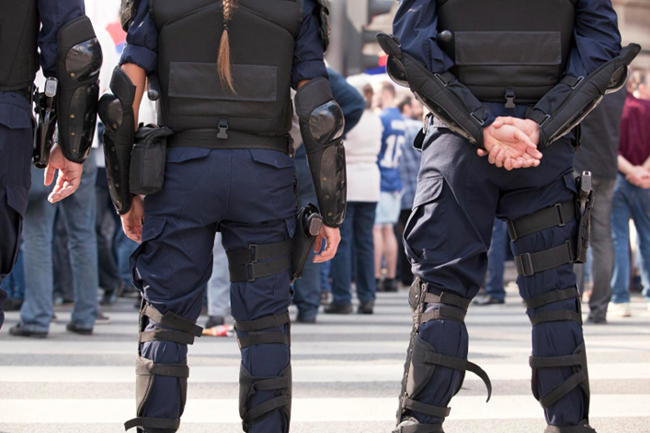
Among the most notable developments has been the evolution of protective equipment designed to reduce the risk of injury in dangerous environments. What was once limited largely to military use is now increasingly employed by law enforcement officers, security professionals, journalists working in conflict zones and certain private-sector personnel who operate in high-risk conditions.
These changes reflect a broader shift toward proactive safety strategies that combine training, technology and risk management to improve the protection of individuals and communities.
The evolution of protective technology
Protective equipment has come a long way from its early designs. In the past, body armour was often bulky and uncomfortable, restricting movement and limiting its practical use outside military environments. Early systems were built primarily for battlefield conditions, where mobility was often less critical than durability.
Advances in materials science have transformed this landscape. Today’s protective equipment uses lightweight synthetic fibres, advanced ceramics and composite materials that provide strong resistance while remaining flexible and wearable for extended periods.
These improvements allow professionals to maintain mobility while still benefiting from enhanced protection. As a result, protective technology is now used across a wider range of environments where safety planning is essential.
Expanding use across different professions
While protective gear remains an essential component of military and law enforcement operations, its use has expanded into other professional fields.
Security professionals working in large public venues such as stadiums, airports and transportation hubs often rely on protective equipment as part of their safety protocols. Journalists covering armed conflicts or civil unrest may also wear protective gear while reporting from volatile regions. Humanitarian workers operating in unstable environments sometimes rely on similar tools to reduce risk while delivering essential aid.
In each of these contexts, protective technology allows individuals to perform their roles with greater confidence while maintaining awareness of potential dangers.
This expansion highlights the growing recognition that preparedness is an essential element of public safety.
Materials science driving innovation

One of the key reasons protective technology has advanced so rapidly is the progress made in materials engineering. Researchers and manufacturers have developed high-strength fibres and layered composite structures that can absorb and distribute energy from impacts more effectively than traditional materials.
Ceramic and composite inserts are now commonly used in protective gear to enhance resistance against high-impact threats. Modern body armour plates can be inserted into protective carriers to provide additional ballistic resistance while maintaining manageable weight and flexibility.
Manufacturers specialising in protective equipment have refined these technologies to meet the needs of professionals who must balance safety with mobility during demanding operations. These improvements demonstrate how innovation in engineering can translate directly into improved safety outcomes.
The role of protective technology in public safety planning
Protective equipment does not operate in isolation. Instead, it forms part of broader safety strategies used by governments, organizations and security teams.
Public safety planning often involves layered approaches that combine communication systems, situational awareness training and coordinated emergency response protocols. Protective gear serves as one component of this larger framework, helping individuals remain safer while performing their duties.
For example, security teams managing large public gatherings rely on training, crowd management strategies and coordination with local authorities. Protective equipment supports these efforts by providing an additional layer of safety if incidents occur. This integrated approach reflects the evolving nature of security planning in modern societies.
Public debate and perception
As protective technology becomes more visible in civilian contexts, it has also sparked public discussion about how societies manage safety and security.
Some observers view the expanded use of protective equipment as a practical response to modern risks. Others argue that it reflects deeper concerns about safety in public spaces.
These conversations are important because they highlight the balance that democratic societies must maintain between preparedness and openness. Protective technology, when used responsibly, is intended to support safety rather than restrict freedom. Understanding this distinction is essential for policymakers, security professionals and community leaders alike.
Training and responsible use
Experts consistently emphasise that protective technology is most effective when combined with proper training and responsible use. Equipment alone cannot prevent incidents or replace the need for strong safety protocols.
Professionals who use protective gear typically undergo specialised training that covers situational awareness, communication strategies and emergency response procedures. These skills ensure that equipment functions as part of a broader safety framework rather than as a standalone solution.
Organisations that deploy protective equipment also establish policies governing its use, maintenance and storage. Clear guidelines help ensure that gear remains reliable and that personnel understand how to use it appropriately.
This emphasis on training reinforces the idea that technology must always be paired with human judgment and preparation.
Future developments in protective technology
Innovation in protective technology continues to evolve rapidly. Researchers are exploring new materials that offer greater strength while reducing weight, as well as designs that improve ventilation, flexibility and comfort.
Some experimental systems are even integrating digital technology into protective gear. Concepts such as sensor-equipped fabrics and communication systems embedded within equipment could help professionals monitor their physical condition or coordinate responses during emergencies.
While these technologies are still developing, they demonstrate how safety equipment may continue to evolve in the coming years. As these innovations emerge, regulatory frameworks and safety standards will likely evolve alongside them.
Modern protective technology has become an important part of contemporary public safety strategies. Advances in materials science and engineering have made it possible to design equipment that provides meaningful protection without compromising mobility or comfort.
From security professionals and journalists to emergency responders and humanitarian workers, many individuals now rely on protective tools as part of their efforts to operate safely in challenging environments.
Research and policy analysis from organisations such as the Australian Institute of Criminology continue to contribute valuable insights into crime prevention, safety strategies and the evolving role of technology in public protection.
As technology continues to advance, protective equipment will likely play an even greater role in shaping how societies approach preparedness, risk management and the protection of both professionals and the communities they serve.