Something has shifted in the way people think about their own wellbeing.
It is not one big dramatic moment. It is a gradual, quiet change. More people are paying closer attention to how they sleep, what they eat, how they move, and how much they push through when they probably should not.
The old mentality, soldier on, skip the doctor, eat whatever is fastest, is fading. In its place, something more self-aware is taking over.
Australians, in particular, are rethinking what it actually means to look after themselves. Not just in the big, obvious ways. But in the small daily decisions that add up over time.
This is what that shift looks like in practice.
The problem with pushing through
Most people know the feeling.
You wake up unwell. Not dramatically, not hospitalised-level sick, but genuinely not right. Head heavy, body aching, concentration completely gone.
And the first thought is not "I should rest." It is "Can I get away with going in anyway?"
That instinct to push through is deeply ingrained. It comes from workplace cultures that quietly reward presence over performance, from financial pressure, from not wanting to let people down.
But pushing through when your body is asking for rest is a short-term fix with long-term costs. A mild illness becomes a week-long one. A manageable fatigue becomes something that takes months to shake properly.
The science on this is not complicated. Rest is when the body repairs itself. Interrupt that process repeatedly and the repairs start to pile up like a maintenance backlog that never quite gets cleared.
Taking sick leave seriously is not a weakness. It is basic physiology.
The paperwork problem nobody talks about
Here is where things get frustrating for a lot of people.
Taking a sick day should be simple. But in many workplaces, anything more than a day or two requires a medical certificate. Which means calling a clinic, waiting for an appointment, sitting in a waiting room feeling genuinely terrible and then waiting again to be seen for five minutes just to be told what you already know: you need to rest.
It is a process that discourages people from taking the leave they genuinely need.
Fortunately, that process has become a lot more straightforward. Getting a work medical certificate online through a telehealth service means a short consultation from home, no waiting rooms, no unnecessary travel when you are already unwell and a legitimate certificate issued by a registered practitioner.
It is the kind of practical solution that removes a genuine barrier. When the paperwork is no longer an obstacle, people are more likely to actually take the rest they need rather than gutting it out unnecessarily.
Rest is only part of the recovery equation
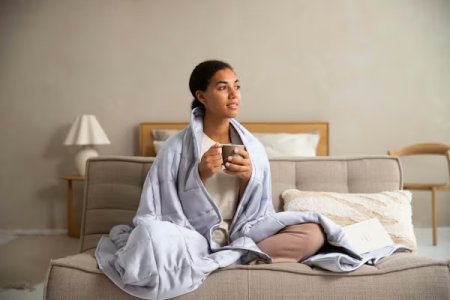
Taking time off is the starting point. What you do with that time matters just as much.
Real recovery involves more than lying still and waiting to feel better. The body needs the right inputs to actually repair. Sleep is non-negotiable. Hydration matters more than most people give it credit for. And nutrition, often the most overlooked piece, plays a significant role in how quickly and completely the body bounces back.
This is not just relevant when you are sick, either. It applies to everyday energy, resilience and the ability to handle the demands of a full working life without running on empty.
More people are waking up to the fact that what they eat directly shapes how they function. Not in a faddy, restrictive way. Just in the basic sense that the body needs enough of the right things to operate properly.
The nutrition gap most people are not filling
Here is a question worth sitting with honestly.
On a typical weekday, are you actually eating enough? Enough protein, enough variety, enough of anything that is not grabbed in a hurry between meetings?
For most people, the honest answer is no.
Busy schedules, skipped meals, convenience foods that fill the gap without really nourishing. It adds up. Energy dips. Focus gets patchy. Recovery from illness or physical effort takes longer than it should.
Protein is one of the most commonly underheated nutrients, particularly for people with active lives or demanding jobs. It is foundational for muscle maintenance, immune function and sustained energy across the day.
Getting enough through food alone is possible but not always practical. A quality protein powder can bridge the gap cleanly, without overcomplicating a routine that is already stretched thin. A scoop in a smoothie, stirred into oats, or mixed with water post-exercise covers the basics without demanding much time or effort.
It is not about transformation or athletic ambition for most people. It is just about giving the body what it needs to keep up with a full life.

Building habits that actually stick
The bigger picture here is about sustainability.
One good decision does not change much. A pattern of good decisions, made consistently over time, changes everything.
The people who genuinely thrive long-term are not the ones with the most extreme health regimens. They are the ones who have worked out a handful of simple habits that fit their actual life and stuck to them without making it a whole personality.
What does that look like in practice?
It looks like taking sick leave when the body clearly needs it, rather than treating rest as something to feel guilty about. It looks like eating with enough intention to cover nutritional basics even on chaotic days. It looks like getting outside regularly, moving in ways that feel good rather than punishing and sleeping enough to actually function.
None of this is revolutionary. But the gap between knowing these things and actually doing them consistently is where most people fall short.
The role of information in making better choices
Part of what makes it easier to build these habits is having access to reliable, straightforward information.
Not the kind that is overwhelmed with contradictory advice. Not the kind that requires a nutrition degree to decode. Just clear, honest, practical information about how the body works and what it actually needs.
This is somewhere independent journalism genuinely matters. Platforms that cover health, work, and everyday life without a corporate agenda to push tend to cut through the noise better than most.
Whether it is understanding your rights around sick leave, making sense of nutrition claims, or just keeping up with changes that affect how Australians live and work, good independent coverage makes a real difference.

What looking after yourself actually requires
It is worth being honest about something.
Looking after your health properly does require some effort. Not heroic effort. Not a complete overhaul of your life. But a genuine, ongoing commitment to treating your own wellbeing as something that deserves attention rather than whatever is left over at the end of the day.
That means not ignoring symptoms because the timing is inconvenient. It means not skipping meals because you got busy. It means not running yourself into the ground and then wondering why you feel so depleted.
Small things: Consistently done
The good news is that the friction around a lot of this has genuinely reduced. Seeing a doctor when you need one no longer requires half a day off work. Getting the nutritional basics covered no longer requires hours of meal prep. Staying informed no longer requires wading through content that is more interested in selling than telling.
The tools are better than they have ever been. The question is whether people are actually using them.
A different kind of health culture
What is emerging, gradually and unevenly, is a health culture that is more honest and more practical than the one it is replacing.
Less about looking a certain way, performing a certain routine, or subscribing to whatever wellness trend is currently dominating social media feeds.
More about functioning well. Feeling capable. Having enough energy to actually enjoy the life you are working so hard to maintain.
That is a shift worth encouraging.
The decisions that make the biggest difference are rarely dramatic. They are the quiet, undramatic choices made on ordinary days: resting when the body asks for it, eating in a way that genuinely supports the demands being placed on it, staying informed enough to advocate for yourself when it matters.
That is what looking after yourself actually looks like. Not a programme, not a protocol. Just paying attention, and acting on what you notice.