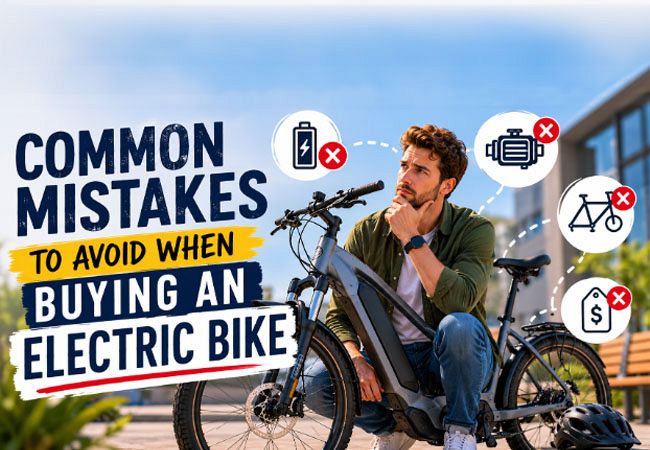
Buying an electric bike is a significant investment, and choosing the wrong model can affect comfort, safety and long-term value.
With Australia’s growing range of commuter, mountain, cargo and leisure e-bikes, it’s easy to get distracted by marketing claims instead of focusing on the features that actually matter.
Whether you’re comparing brands online or browsing electric cycles for sale, understanding the most common buying mistakes can help you choose a bike that suits your riding style, local terrain and daily needs rather than simply picking the most powerful or cheapest option.
Choosing power over practicality
One of the biggest misconceptions is assuming that a higher-powered motor automatically means a better ride.
For most Australian riders, factors such as motor efficiency, torque delivery and battery management have a greater impact on everyday performance than peak power alone.
When comparing electric bikes, pay attention to:
- motor torque (Nm);
- pedal-assist responsiveness;
- overall bike weight;
- riding position;
- intended terrain; and
- a well-balanced 250W pedal-assist system, which often delivers a smoother riding experience than a heavier bike with unnecessary power.
Ignoring battery quality and range
Battery specifications deserve more attention than many buyers realise.
The advertised maximum range is usually measured under ideal laboratory conditions. Real-world performance depends on several variables, including:
- rider weight;
- wind conditions;
- tyre pressure;
- elevation changes; and
- level of pedal assistance.
Rather than focusing only on kilometres per charge, look for reputable battery manufacturers, warranty coverage and battery capacity measured in watt-hours (Wh).
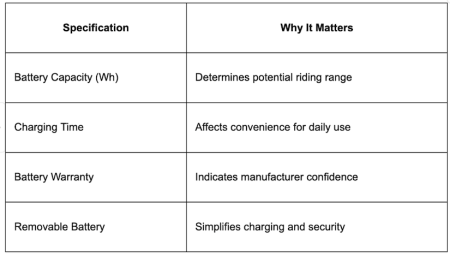
According to the Wikipedia article on lithium-ion batteries, battery lifespan is influenced by charging habits, temperature and usage cycles rather than age alone.
Buying the wrong frame size
Even the highest-quality e-bike becomes uncomfortable if the frame doesn’t fit properly.
A poor fit can cause:
- back pain;
- wrist discomfort;
- reduced pedalling efficiency; and
- less confident handling.
Many buyers focus on motor specifications while overlooking frame geometry, saddle height and handlebar position.
If possible, test ride multiple frame sizes before making a decision.
Forgetting about total bike weight
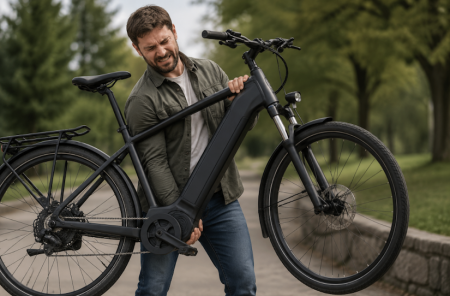
Battery and motor components naturally make electric bikes heavier than conventional bicycles.
Weight becomes particularly important if you need to:
- carry the bike upstairs;
- lift it onto a vehicle rack;
- store it in an apartment; and
- ride with the battery removed.
A lighter bike may provide a much better ownership experience even if its range is slightly lower.
Overlooking brake and suspension quality
The motor helps you accelerate, but reliable brakes help you stop safely.
Hydraulic disc brakes generally provide:
- better stopping performance;
- improved control in wet weather;
- less hand fatigue; and
- more consistent braking on long descents.
Likewise, suspension should match your riding environment. Urban commuters rarely need long-travel suspension, while trail riders will appreciate additional comfort and control.
Not understanding Australian road rules
Before purchasing an e-bike, it’s worth checking your state’s regulations regarding power output and pedal-assist requirements.
Australia has specific rules governing electrically assisted bicycles and these may vary depending on where you ride. Understanding local regulations helps ensure your bike remains legal for public roads and shared paths.
Government transport websites provide the most current guidance for each state.
Buying based only on price
Budget models can appear attractive, but lower prices sometimes reflect compromises in battery quality, components or after-sales support.
Instead of comparing price tags alone, evaluate the overall ownership cost, including:
- battery replacement availability;
- spare parts;
- warranty period;
- local servicing options; and
- brand reputation.
An e-bike built with quality components often proves more economical over several years of regular use.
Looking beyond the specification sheet
Specifications tell only part of the story.
A comfortable riding position, predictable handling, dependable components and reliable support can make a far greater difference than small variations in motor output or advertised range.
Choosing an electric bike should be based on how and where you’ll actually ride. Taking the time to compare build quality, battery technology and overall ergonomics will help ensure your investment delivers years of enjoyable, dependable cycling.