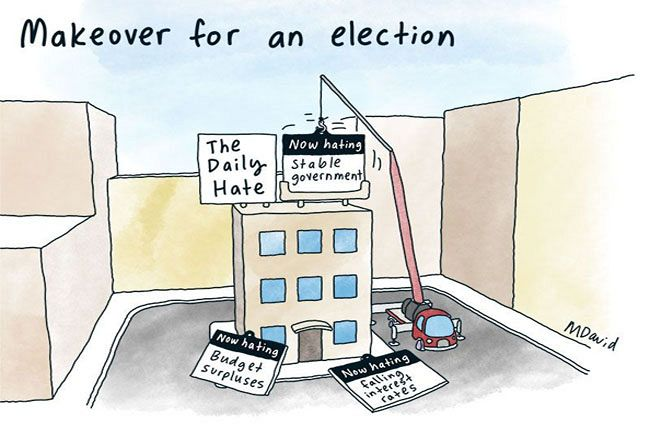
First impressions are increasingly shaped by aesthetics – sometimes at the expense of depth, context and meaning – reclaiming intentionality helps restore balance, writes Nick Potter.
Over recent decades, global media have fundamentally reshaped how people communicate and form impressions of one another. With the rise of film, music videos, television, and digital platforms, visual presentation has become central – not just complementary– to how individuals and ideas are perceived.
In an attention-driven environment, appearance often competes with substance. Industries built around visibility and engagement naturally prioritise what captures attention quickly. The result is a cultural climate where first impressions are increasingly shaped by aesthetics, sometimes at the expense of depth, context, and meaning.
This shift matters because it influences not only what we consume, but how we think.
Across many traditions, including Islamic teachings on modesty (Hayaa), there is a consistent emphasis on restraint, dignity, and intentional conduct. Modesty is not limited to dress — it is a broader ethic that encourages individuals to be mindful of how they present themselves and how they engage with others, placing greater value on character than on outward display.
In practical terms, modesty redirects attention:
- Away from appearance as the primary measure of worth.
- Toward behaviour, character, and interaction.
- Toward clarity of intention rather than performance for attention.
This is not a rejection of visual expression, but a recalibration of its importance.
Human perception is naturally drawn to visual stimuli. In environments saturated with imagery, this tendency becomes amplified, shaping expectations and social norms in subtle but powerful ways. Recognising this dynamic allows individuals to respond deliberately rather than passively adopting whatever is most visible or most promoted.
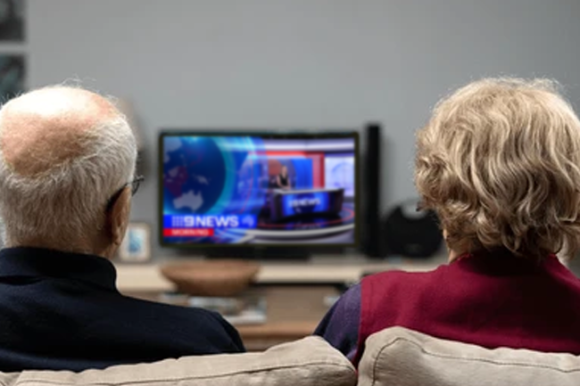
In a world where attention is constantly competed for, restraint becomes a form of clarity.
Choosing modesty – whether in dress, behaviour, or communication – can help restore balance in how people relate to one another. It encourages engagement based on substance rather than spectacle, and it reinforces a sense of self-respect that is not dependent on external validation.
The question is not whether modern media will continue to influence society — it will. The more relevant question is how individuals choose to position themselves within that influence.
Intentionality offers a way forward: to engage with the world without being defined by it, and to prioritise values that endure beyond shifting trends in attention and appearance.
Nick Potter is a research and development technician and writer based in Melbourne.
 This work is licensed under a Creative Commons Attribution-NonCommercial-NoDerivs 3.0 Australia License
Support independent journalism Subscribe to IA.