Opposition Leader Angus Taylor is trying to exploit the same shallow culture war politics that have fuelled the rise of right-wing populism both here and overseas, writes Professor Carl Rhodes.
AUSTRALIANS ARE WORRIED about paying the bills and the price of groceries, while wages stagnate and home ownership slips further out of reach for young people.
Meanwhile, Coalition leaders are once again jumping on the populist bandwagon, trying to get us to argue about "wokeness."
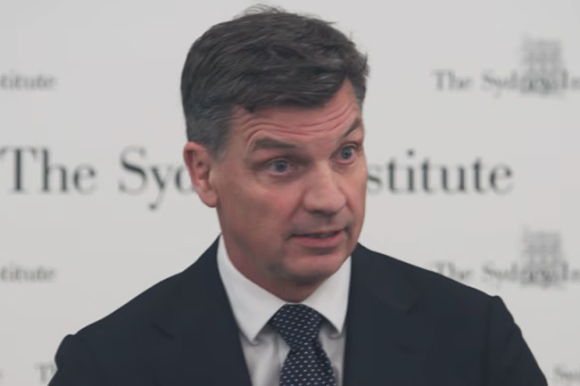
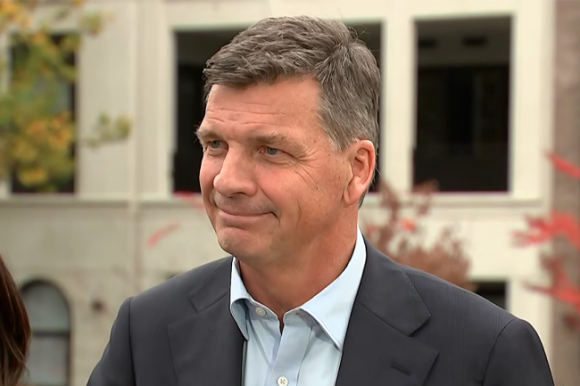
Over the past months we have seen Opposition Leader Angus Taylor rail against everything from renewable energy targets, to flag burning, to teaching boys respect in schools, to woke building regulations. He even accused Cricket Australia of 'woke moralising.’
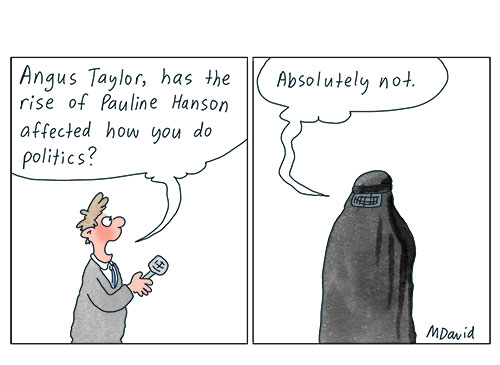
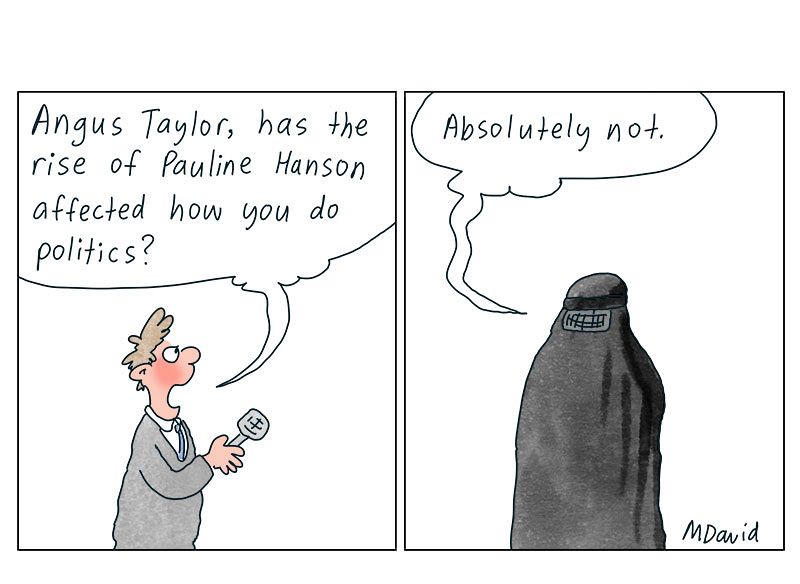
There is a clear pattern. Taylor is trying to exploit the same shallow culture war politics that have fuelled the rise of right-wing populism both here and overseas.
Taylor forgets one important thing. The resentment, antagonistic nationalism, and anti-woke grievance that animate that populism are all framed as a battle between the ordinary Australian and the establishment that has let them down.
Despite his doubling down on the culture wars, Taylor’s woke baiting strategy is doomed to fail because the Liberal Party he leads is at the centre of that establishment. No populism-aping chest-beating will change that fact.
Where are the economic managers when we need them?
The Coalition has long prided itself on its self-professed prowess at economic management, but Taylor’s anti-woke politicking is a long way from the kitchen-table economic challenges that increasing numbers of Australians are struggling with.
If anything, woke-bashing can be little more than a deliberate distraction. While voters are cajoled to direct their frustrations at woke bogeymen, unanswered questions about policy solutions to address the forces driving financial insecurity and widening inequality are sidelined.
So, what is the Coalition offering when it comes to creative new policies that will lift Australians out of the economic quagmire they have been pushed into?
None. It is the same old schtick from the Coalition. Reduce taxation, lower government spending, cut public debt, boost business investment and tighten welfare payments.
Frankly, they have not been able to come up with anything that is either bold or new. These are pretty much the same neoliberal economic policies they have held dear for decades.
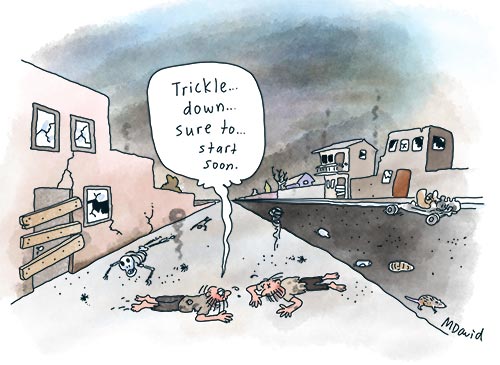
To be fair, those policies delivered economic growth. But they also contributed to today's problems, with the benefits of that growth distributed unevenly and flowing disproportionately to the owners of capital.
Progress, if we can call it that, has come at the price of wealth concentration, soaring asset prices and growing economic insecurity.
One Nation fills the gap
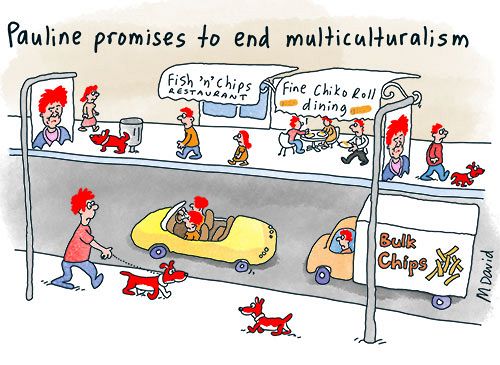
These are the problems One Nation has exploited in its campaign of illiberal hate-mongering. But, while One Nation might get away with anti-establishment moral panic politics, Taylor and the Liberals cannot; after all, they are the establishment.
This is not just a problem for the Coalition.
The broad direction of economic policy in this country of the past forty years was very much a bipartisan support of a global neoliberal agenda focussed on liberating globalised market economies through a privatised corporate economy and labour market flexibility in order to fuel economic growth, with little concern for the implications for economic justice.
The Coalition may have embraced the neoliberal agenda more enthusiastically, but it was shared by the Labor Party too, although with more guardrails through tax and transfers. Nevertheless, the underlying framework has long been the same.
Going beyond the failed consensus
Australia’s political centre is facing a crisis of legitimacy, and neither the ruling Labor Party nor the withering remains of the Coalition have much new to offer.
For Taylor, if anything, harping on about culture war politics could drive more voters to One Nation.
That is not to say that One Nation has any credible answers. It does not.
But to its supporters, it at least has the establishment to blame for the current economic problems Australia is facing.
On that point, it is not entirely wrong. The neoliberal consensus that has dominated Australian politics since the 1980s is failing us.
The big political question is whether anything other than One Nation will emerge to fill this vacuum. The party might be attractive to some voters who have lost faith in the political establishment, but it offers a dismal future built on mean-spirited illiberalism, legitimised racism and a fundamentally backward view of Australia’s potential.
Tragically, if Australia cannot come up with anything better to replace the fractured neoliberal consensus, One Nation may be the only alternative that voters can turn to.
Carl Rhodes is Professor of Business and Society at the University of Technology Sydney. He has written several books on the relationship between liberal democracy and contemporary capitalism. You can follow him on X/Twitter @ProfCarlRhodes.
 This work is licensed under a Creative Commons Attribution-NonCommercial-NoDerivs 3.0 Australia License
Support independent journalism Subscribe to IA.


Related Articles
- Coalition and One Nation's cheaper smokes crime-fighting con
- The top ten troubles with Taylor’s tenets
- CARTOONS: Mark David should stay away from 'populist' pool parties
- Angus Taylor could learn from Fraser and Menzies
- Why Angus Taylor’s migration cap doesn’t add up