Slow travel is having a moment, and few trips embody it better than a Camino.
The Portuguese Coastal Way carries walkers north along the Atlantic toward an old pilgrim city. You move at three miles an hour, with time to think. For a traveler tired of rushed itineraries, that pace is the point. This is a holiday measured in footsteps, not photo stops.
The route links the area near Porto with the great cathedral city over the border in Spain. Operators like Top Walking Tours Portugal run a guided or self-guided Porto to santiago de compostela coastal walk. You follow the waymarked path while someone else moves your bags and books the beds. That frees you to notice the small things along the way.
Why does the Coastal Camino suit slow travellers?
A Camino is the opposite of a packaged rush. You walk one stage a day, then stop to rest and eat. The rhythm strips travel back to its basics. Days feel longer in the best way. Many walkers say the trip changes how they travel afterward.
Slow travel also asks us to tread lightly where we go. Reporting on how tourism can collide with local hardship is a useful reminder. A Camino spends money in small towns rather than big resorts. Small guesthouses and cafes feel the benefit directly. That keeps more of it in local hands.
What is the Coastal Route really like?
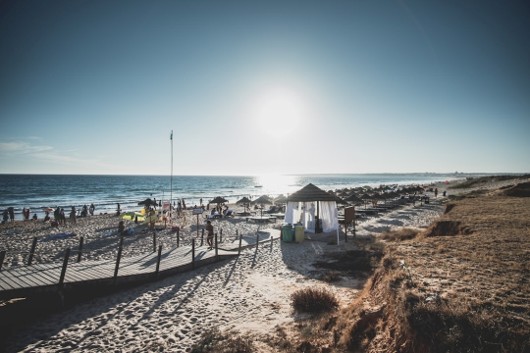
The path starts near Porto and heads north up the coast. You pass Povoa de Varzim, Esposende and a string of fishing towns. Long stretches run on wooden boardwalks above the dunes. Elsewhere the trail drops to hard sand or quiet lanes. The ocean stays beside you for most of the walk.
The route strings together a run of coastal highlights:
- boardwalks laid above the dunes north of Porto;
- fishing towns like Povoa de Varzim and Esposende;
- a ferry crossing over the River Minho into Spain; and
- the final inland stretch toward Santiago's cathedral.
Waymarks are easy to follow along the whole route. Yellow arrows and scallop shells point the way north. You cross the River Minho by ferry into Spain. From there the path turns inland toward Santiago. Each day ends in a town with food and a bed.
The history behind the pilgrimage
People have walked to Santiago for more than 1,000 years. The city grew around the shrine of Saint James the apostle. Pilgrims once came on foot from across Europe. Today, walkers of every belief join the route. The tradition still shapes the trail's quiet mood.
The destination itself is a protected treasure. The old town of Santiago de Compostela holds UNESCO World Heritage status for its medieval streets and cathedral. Its granite squares fill with tired, happy walkers each afternoon. Arriving there on foot gives the place a weight no bus tour matches.
How hard is the Coastal Walk?
The coastal line is gentle by mountain standards. There is little steep climbing on the main route. The challenge is distance, wind, and days on your feet. Most stages run 15 to 25 kilometres. A walker with regular miles handles it well.
To earn the Compostela certificate, you walk the final 100 kilometres. The Pilgrim's Reception Office in Santiago issues it once you show your stamped credential. You collect stamps at cafes, churches and hostels along the way. Keep the credential safe and dry in your pack. The last stages from Tui clear that minimum with room to spare.
When to walk the Portuguese Coast
Spring and fall bring the best walking weather. April through June offers mild days and wildflowers. September and October stay warm with thinner crowds. Sea breezes take the edge off the midday sun. Summer works but runs hot and busy on the sand.
Staying connected on the trail helps with maps and weather. The same respect for wild places that drives conservation at home belongs on the Camino too. Carry a charged phone and an offline map file. Tell someone your plan for each day.
Packing and planning a responsible trip
Pack for wind and sun more than for cold.
A light kit covers most days:
- a waterproof shell for sudden coastal showers;
- broken-in trail shoes rather than heavy boots;
- a sun hat, sunscreen, and a refillable water bottle; and
- a small daypack, since a service moves your main bag.
Keep the load light so your feet stay happy. Every extra kilogram tells by the afternoon.
The coast is fragile where dunes meet the sea. Stick to the boardwalks and marked paths to protect them. Carry out what you carry in. Small habits keep this route intact for the walkers behind you.
Key points for planning your Camino walk
- The route runs north from the Porto area to Santiago de Compostela.
- Most stages cover 15 to 25 kilometres on gentle coastal terrain.
- Walk the final 100 km to earn the Compostela certificate.
- Spring and fall offer the best weather and lighter crowds.
- A supported trip moves your bags so you carry only a daypack.
Frequently asked questions about the Coastal Camino
Do I need to be religious to walk it?
No, the route welcomes walkers of every belief. Many people come for the culture, history, or quiet. Others walk to mark a change in life. The path holds space for all of them.
How long does the Coastal Camino take?
Most itineraries run about 10 to 14 days from Porto. Shorter plans start closer to Santiago for a one-week walk. You can add rest days in the larger towns. An operator can shape the length to your time.
Is the Portuguese Coastal Route safe?
Yes, the route is popular and well marked. Towns sit close together along the coast. Carry water, watch the weather, and share your plan. Basic care goes a long way here. Solo walkers report feeling comfortable here.
Can beginners walk the whole way?
Yes, with some training and a sensible pace. Build up to back-to-back walks before you fly. Choose a supported trip to keep your pack light. Split the longer stages if your feet need it.
Taking your first steps toward Santiago
The Coastal Camino offers more than a walking holiday. You get ocean air, old towns and a finish line with real meaning. For travelers who value the slow road, it rewards every step. The best part waits at the end of a long, honest walk.
Book your season, sort the support and let the arrows guide you north.