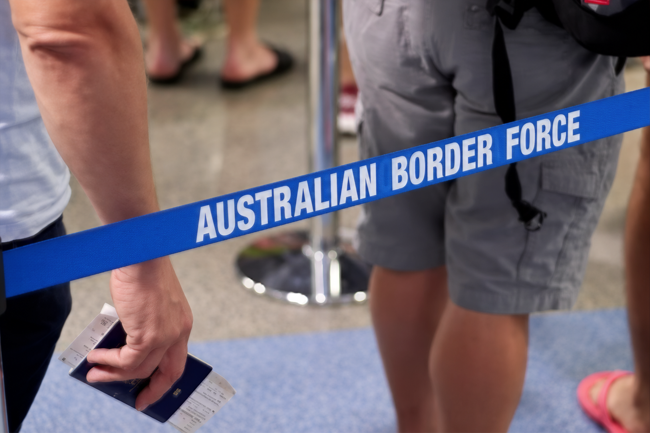
Australia’s tougher student visa rules are leaving international students and their families facing uncertainty over education plans, finances and their futures, writes Mukesh Dhamala.
AUSTRALIA’S LATEST student visa restrictions and the Coalition’s migration proposals are raising difficult questions across South Asia.
From Kathmandu, I see how quickly political announcements become personal decisions about education, money and family.
A father in Kathmandu may have spent years saving to send his daughter to Australia. She has chosen a master’s degree, the family has considered the tuition fees and her husband is preparing for the possibility of accompanying her.
Then the rules change.
The question is no longer whether the course is good or the university reputable. It is whether the couple can travel together, whether the family’s financial arrangements still make sense and whether Australia remains the right destination.

This is a representative situation, not an account of an identified family. But it captures the kinds of decisions that occupy much of my professional life.
For more than a decade, I have worked in international education, representing Australian providers and dealing with students, parents and recruitment agents across South Asia. I have seen families celebrate Australian graduations. I have also seen how difficult it is to explain an uncertain visa environment to parents making enormous financial sacrifices.
The rules have changed again
On 2 October, the Australian Government introduced new student visa restrictions. Most temporary visa holders can no longer apply for a student visa while in Australia, subject to specified exemptions.
Most new student visa applicants are also prevented from including family members, with exemptions for certain groups, including doctoral students and eligible government-sponsored applicants. Family members generally cannot be added after a student visa has been granted.
The Government is also developing a new student visa transfer stream for students changing education providers. Its detailed arrangements have not yet been finalised.
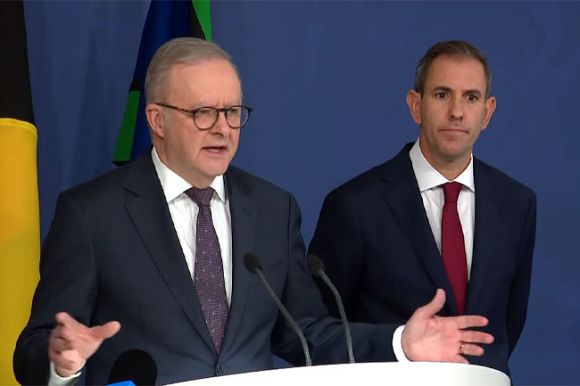
Four days after the reforms commenced, Opposition Leader Angus Taylor announced the Coalition’s migration proposals, including reducing net overseas migration to 100,000 annually for two years, limiting international student commencements to 240,000 and largely abolishing Temporary Graduate visas.
These are opposition proposals, not government policy. That distinction is essential.
But in Kathmandu, political announcements rarely arrive with detailed explanations. They travel through Facebook, education agents, family networks and conversations between students already in Australia and relatives considering following them. Different announcements can become one frightening message: Australia is becoming increasingly difficult.
A decision made before the student leaves Nepal
In my work with Australian education providers, one of the most important questions is whether a student’s chosen course genuinely matches their academic background and future ambitions.
Consider a student who completed a bachelor’s degree in Nepal and wants to pursue postgraduate study in Sydney. An agent may recommend a particular course because the fees are affordable or an intake is approaching. But what if the student discovers after arriving that the course does not provide the academic progression expected?
In July, the Tertiary Education Quality and Standards Agency (TEQSA) and Australian Skills Quality Authority (ASQA) warned providers about arrangements potentially circumventing the ban on commissions for onshore student transfers.
I support action against such practices. Students should not be moved between colleges simply because someone can earn money from the transaction. But what about a student who genuinely received poor advice before leaving Nepal? Should that student carry the entire consequence of a decision influenced by an agent and accepted by a provider?
This is where immigration integrity and student protection must work together. A system designed to prevent exploitation should also recognise when a student has been exploited.
The education industry cannot escape responsibility
I work on the provider side of international education, so I understand the pressure to achieve enrolment targets. Agents want applications processed. Providers want students enrolled. Students want offers quickly, particularly when visa processing and intake deadlines are uncertain. But speed can come at the expense of proper assessment.
I believe providers must take greater responsibility for the recruitment networks they appoint. An agent should not be assessed only by the number of students recruited, but also by the quality of applications, the accuracy of advice and students’ subsequent academic progress.
Financial documents, course suitability and Genuine Student statements deserve careful scrutiny before enrolment decisions are finalised. A professionally written statement cannot turn an unsuitable course into a sensible education plan.
Nor should a family be encouraged to borrow beyond its means because someone suggests part-time employment will cover tuition and living expenses. Australia is entitled to reject fraudulent applications. Those of us working in recruitment must be equally prepared to reject poor applications before they reach the visa stage.
What I hear after a visa refusal
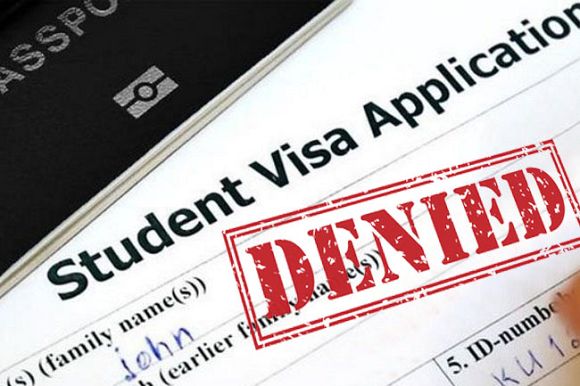
Refusal decisions may provide reasons, but those reasons are not always sufficiently clear or practical for families to understand what needs improvement. I am not suggesting the Government disclose confidential fraud-detection methods or approve applicants who fail to meet requirements.
Australia’s reputation is being tested
In my recent article for The Koala News, I discussed how Australian education became part of the aspirations of Nepali middle-class families. For years, successful graduates encouraged younger siblings, relatives and neighbours to follow them.
In a separate commentary, I argued that Australia’s migration debate is being heard far beyond Canberra. The October reforms bring these concerns together.
Australia has legitimate housing, infrastructure and migration pressures. Stronger enforcement against fraud and poor-quality education is necessary. But international education is also a long-term relationship built on trust.
Canberra needs to speak directly to families
I would like to see the Australian Government communicate major education and visa reforms more directly in important student markets, including Nepal, India, Bangladesh and Sri Lanka.
Families need accessible explanations distinguishing current law from political proposals, practical examples showing how exemptions work and reasonable transition arrangements when major changes affect existing plans.
Providers and agents must do their part through honest recruitment, stronger compliance and realistic advice. An Australian qualification is not a guarantee of permanent residency. Part-time work is not a substitute for adequate family finances. No agent can promise a visa.
But students who make genuine educational commitments deserve clarity and fair treatment. When a parent in Kathmandu asks whether Australia is still worth considering, I want to discuss the student’s ambitions, academic preparation and financial capacity. I do not want the entire conversation to become an attempt to interpret political headlines.
Australia can protect its borders and education system without losing the confidence of the families it hopes will continue choosing it. The challenge is not simply making entry harder for the wrong applicants. It is ensuring that genuine students still have good reasons to believe Australia is the right choice.
Mukesh Dhamala is a Kathmandu-based international education professional with more than a decade of experience representing Australian education providers and working with students, families and education agents across South Asia.
 This work is licensed under a Creative Commons Attribution-NonCommercial-NoDerivs 3.0 Australia License
Support independent journalism Subscribe to IA.


Related Articles
- NSW DAMA to test One Nation and the Coalition
- Coalition and One Nation migration plans built on false assumptions
- Coalition boxed in by working holiday visa policy
- Monty Python homage: What have migrants ever done for us?
- One Nation's jittery demagoguery leads immigration policy