Heatwaves are no longer a rare event. From southern Europe to the American south-west, summers are running longer and hotter and cooling bills are rising with them. Australia offers a useful case study.
Many of its homes were designed for a milder climate and household energy costs have climbed sharply in recent years. The lesson reaches well beyond one country, because every building shares the same weak point: its windows.
The good news is that windows are also one of the cheapest problems to fix. This article explains why glass lets in so much heat, how different window coverings deal with it and what that looks like in two very different Australian cities. We start with the science, because knowing where the heat comes from makes every later decision easier.
Why windows are the weakest link in a hot home
Sunlight passes through glass easily. Once inside, it warms floors, furniture and walls, which then release that heat into the room. Glass does a poor job of letting it back out, so the space slowly heats up, much like a parked car on a summer day.
Australian government guidance through the Your Home program suggests windows can account for up to 87 per cent of a home's heat gain in summer and up to 40 per cent of heating energy lost in winter. Figures vary by house, but if you want a cooler, cheaper home, start with the glazing.
Replacing windows with high-performance double glazing works, but it is expensive and often impractical for renters and apartment owners. That is where window coverings come in. They sit between the sun and the room, and they can usually be fitted in an afternoon. To choose well, though, it helps to understand how they actually work.
How window coverings actually block heat
A covering can reduce heat gain in three ways. It can reflect sunlight away, absorb some of it, or trap a layer of still air between itself and the glass. Still air conducts heat poorly, so a well-fitted covering behaves like an extra layer of insulation.
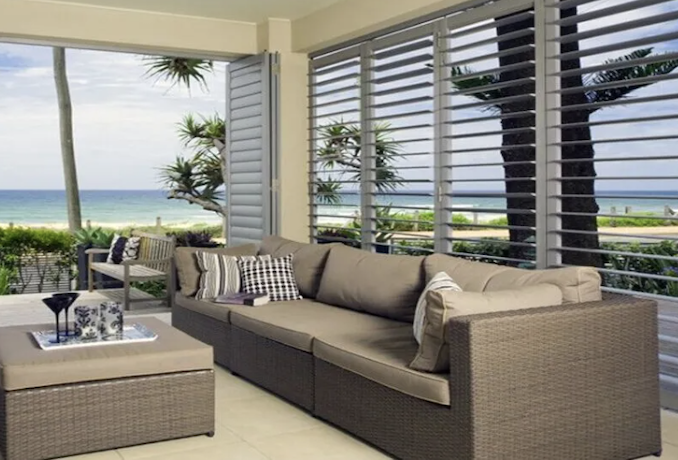
Position matters as much as material. A covering placed outside stops the sun before it touches the glass, which makes it the most effective approach. An internal covering works after the heat has reached the window, so it relies on reflection and insulation to limit what enters the room. Light colours reflect more heat than dark ones and a snug fit around the frame closes the gaps where warm air can leak past. Solid, adjustable barriers do this well. In Sydney, for example, homeowners exploring plantation shutters Sydney options often value tilting the louvres against low afternoon sun while keeping a breeze moving. With those principles in mind, we can compare the most common options.
Seven window coverings ranked by heat control
The list below runs roughly from most to least effective at blocking summer heat. The best pick still depends on your windows, your budget and how each room is used.
- External awnings and shade structures. Blocking the sun outside the glass is the gold standard. Fixed or retractable awnings, pergolas and shade sails can cut heat gain dramatically. The trade-offs are cost, planning rules in some areas and exposure to wind.
- Outdoor roller blinds. These follow the same principle as awnings but sit directly over the window. Woven sunscreen fabrics reject much of the heat while keeping some of the view, which suits decks and west-facing glass.
- Cellular (honeycomb) shades. Their pockets of trapped air create real insulation, helping in both summer and winter. They are neat and light, and they suit modern apartments well.
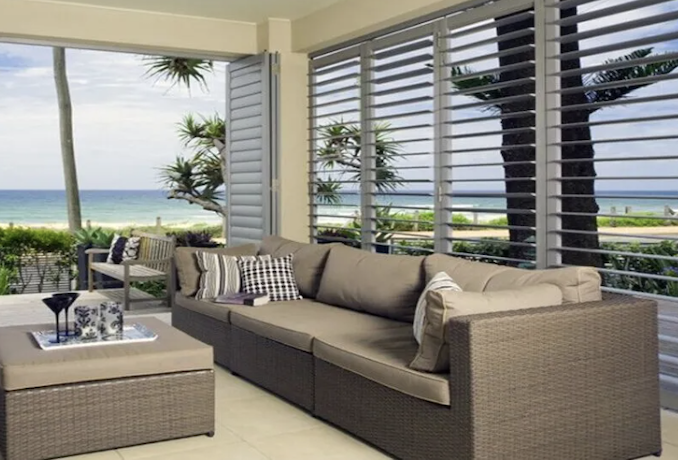
- Plantation shutters. Adjustable louvres let you steer light and airflow, while solid panels add a buffer against heat. They are a fixed, long-term investment that suits period and contemporary homes alike.
- Block-out roller blinds. A tightly fitted, light-coloured block-out blind reflects a good share of the heat and is among the most affordable options. Side channels improve performance further.
- Thermally lined curtains. Heavy, lined fabric adds an insulating layer and is simple to install. It works best when it hangs close to the wall and reaches the floor or sill.
- Reflective window film. Applied directly to the glass, film rejects a portion of solar heat. It is a budget-friendly choice for renters, though it cannot be adjusted and may darken rooms in winter.
Rankings like this are only a starting point, because climate changes the answer. Two Australian cities show how.
Sydney: Coping with long, humid summers
Sydney's summers combine heat with humidity and the city's west regularly records extreme temperatures. During severe heatwaves, suburbs such as Penrith have topped 45°C. Coastal areas are milder, but afternoon sun on a west-facing room can still push indoor temperatures well past comfortable levels, especially in apartments with large glass doors.
When Sydney residents look into blinds Sydney options, the priority is usually cutting afternoon glare and heat while keeping airflow for muggy nights. Light-filtering and outdoor roller styles are popular for that reason. Owners wanting a more permanent option often turn to shutters, because the louvres can be tilted to let a sea breeze in while keeping direct sun out. Sydney is mostly a cooling challenge, though. Canberra shows what happens when a city has to solve for both ends of the thermometer.
Canberra: Hot summers and frosty winters
Australia's capital sits inland at roughly 580 metres, which gives it a dry climate with big temperature swings. Summer days regularly pass 35°C, while winter nights often fall below zero. Homes must manage both extremes and a covering that helps in only one season is doing half the job.
Residents comparing blinds Canberra options tend to weigh insulation as heavily as sun control, which is why layered and honeycomb styles are common. They trap air against the glass on frosty nights and block the sun on scorching afternoons. Those who prefer a timber look often consider shutters, since the solid panels add a barrier in both seasons. That year-round view matters, because the biggest savings come from using coverings every day, not only during a heatwave.
Winter benefits: Why heat control is only half the story
The properties that block summer sun also help hold warmth in winter. A close-fitting covering reduces heat loss through glass at night and opening it during the day lets low winter sun warm the room for free. This seasonal routine is a core idea of passive design and it costs nothing once the coverings are in place.
Combined with sealing draughts around frames and doors, the effect can show up on both heating and cooling bills. Which brings us to the habits that decide whether any covering delivers on its promise.
Five habits that get more out of any window covering
- Close coverings before the sun hits the glass. It is far easier to keep a room cool than to cool it down again. Close east-facing coverings in the morning and west-facing ones by midday.
- Match the covering to the orientation. North-facing windows benefit from eaves and adjustable coverings, while west-facing glass usually needs the strongest protection.
- Aim for a tight fit. Gaps at the sides and top let warm air circulate behind the covering, so measure carefully.
- Pair coverings with ventilation. Open windows in the cool of the night or early morning, then close everything during the hottest part of the day.
- Keep them clean and maintained. Dust and damaged fabric reduce reflectivity and shorten the life of the product.
Cost, comfort and the bigger picture
Window coverings will not replace good insulation, efficient appliances or thoughtful design, but they are among the quickest returns available to households. Costs range from a few dozen dollars for film to several thousand for custom shutters, so it pays to start with the rooms that get the most sun and the most use, such as living areas and bedrooms. For long-term owners in Canberra, where one home may face 35°C summers and sub-zero winters, the higher upfront cost of plantation shutters Canberra can be justified by year-round performance.
Renters have options too. Tension-fit blinds, window film and freestanding solutions rarely need drilling, so they are easy to take to the next home. Before buying, ask about fabric performance data, check any relevant safety requirements such as cord safety for blinds and measure each window twice. A modest, well-chosen upgrade in the hottest room often delivers more than a rushed purchase across the whole house.
As summers grow hotter, small fixes at household level add up. Whether you live in humid Sydney, chilly Canberra or somewhere else entirely, the approach is the same: understand where heat enters, choose a covering that suits your climate and use it every day. The window is where a home meets the weather and it deserves more attention than it usually gets.