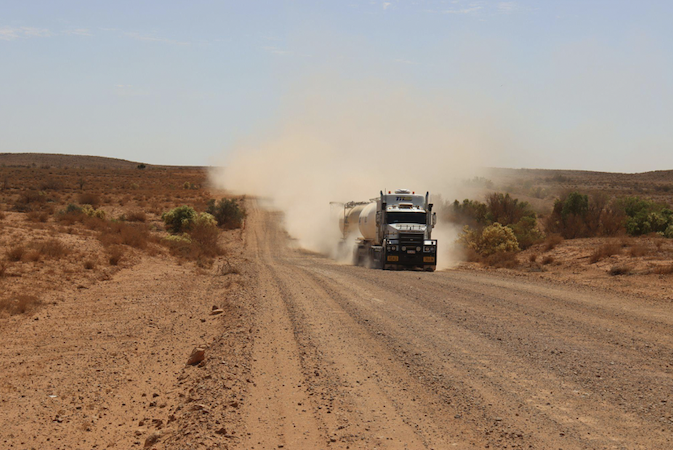
Queensland is a State on the move.
People are relocating to South East Queensland from interstate, renters are shifting between leases more often than they would like, and families are heading north for work, lifestyle and warmer winters. Almost all of them go through the same handful of surprises on moving day.
We run removal crews in Brisbane and Cairns and we spend every working day inside other people's moves. Most of what goes wrong is predictable and most of it can be avoided with a little planning. Here is what we wish every Queenslander knew before the truck turned up.
Check who you are booking before you book them
The removals industry has a low barrier to entry. Anyone with a van can advertise and most of the horror stories people hear, from belongings damaged without cover to quotes that suddenly double on the day, come from operators who were never properly set up in the first place.
Before you book, ask a few simple questions:
- Are you insured and what does the cover include? A reputable company should hold public liability insurance and be able to explain clearly what happens if something is damaged in transit.
- Can I have the quote in writing? A written quote sets out what is included, how time is calculated and what could change the final bill. If an operator will only give you a verbal figure over the phone, treat it as a warning sign.
- Are you a member of an industry body? Membership of the Australian Furniture Removers Association (AFRA) means the business has met accreditation standards and agreed to a code of practice.
- What deposit do you need and how is it paid? Be wary of large cash deposits paid up front to someone you have never met.
It takes ten minutes and it is the single best protection you have.
Renters: Protect your bond before you protect your furniture
For renters, the move is only half the job. The other half is getting your bond back and starting the new lease on the right foot.
In Queensland, bonds are held by the Residential Tenancies Authority (RTA) and the condition report is the document that matters most at both ends of a tenancy. Before you leave, compare the property against your original entry condition report and take dated photos of every room once it is empty and clean. At the new place, go through the entry condition report carefully, note every mark, scuff and chip, and photograph them before a single box comes through the door. It is much easier to prove a scratch was already there before your furniture arrived.
Plan your dates carefully too. Many renters end up with a gap between leases, or a day or two of overlap. If there is a gap, ask your removalist about short-term storage so you are not forced to move twice in a rush. If there is an overlap, use it: moving into a clean, empty house a day early and cleaning the old one afterwards is far less stressful than trying to do both at once.
Brisbane moves have their own quirks
Moving in Brisbane is not quite like moving anywhere else. Many of the City's older homes are highset Queenslanders with steep front stairs, narrow hallways and verandahs that make large furniture awkward to get in and out. Inner-city streets can be tight, parking is limited, and the hills in suburbs like Paddington and Red Hill slow everything down.
Apartments bring a different set of rules. Most buildings require you to book the goods lift and the loading dock in advance, and many ask for the lift to be padded and the move to happen within set hours. Check your building's body corporate rules at least a week before moving day, because a crew that turns up to find the lift booked by someone else is a crew you are paying to wait.
When comparing removalists Brisbane residents recommend, ask how they handle stairs, access and parking and whether they will look at the property first for a larger move. A good crew will ask you about access before you think to mention it.
Moving north means planning for the weather
Far North Queensland is a wonderful place to live and the move there needs a different kind of planning. The wet season, which generally runs from around November to April, brings heavy downpours, high humidity and the possibility of cyclone watches that can close roads and change plans at short notice.
If you are moving during the wet, build flexibility into your dates and keep an eye on the Bureau of Meteorology forecasts in the week before. Pack with moisture in mind: mattresses, sofas and anything upholstered should be properly covered, and cardboard boxes should not be left sitting on damp ground. If your belongings are going into storage in the tropics, ask whether the facility manages humidity, because mould can take hold surprisingly quickly in a sealed space.
Distance matters too. Brisbane to Cairns is around 1,700 kilometres by road, so a long-distance move is a multi-day trip for your belongings. Keep your essentials, documents and anything irreplaceable with you. Local knowledge helps a great deal here, and experienced removalists Cairns families use will know how the wet affects access, driveways and delivery times in different parts of the region.
Timing is everything
Some days are simply busier than others. The end of the month, the days around school holidays and Fridays are the most popular times to move, because that is when leases end and settlements happen. If you have any flexibility at all, a midweek move in the middle of the month is usually easier to book and less rushed.
For most household moves, booking three to four weeks ahead is sensible. In peak periods, or for a long-distance move, give yourself longer.
Declutter before you pack, not after you unpack
The cheapest item to move is the one you do not take. Most households own far more than they realise, and the time to be honest about it is before anything goes in a box. Donate what you can, sell what is worth selling and book a bulky waste collection or a trip to the tip for the rest. Many charities will collect larger items if you arrange it a week or two ahead.
A good rule of thumb: if you have not used it in a year and it would not upset you to lose it, it probably does not need to come.
The admin people forget
The physical move gets all the attention, but the admin is what catches people out weeks later. A few jobs worth putting on the list:
- Connections: Arrange electricity, gas and internet at the new address early. An internet connection in particular can take time to set up.
- Your drivers licence: In Queensland you need to update your address with the Department of Transport and Main Roads within 14 days of moving.
- The electoral roll: Update your enrolment with the Australian Electoral Commission so you are not caught out at the next election.
- Mail redirection: A mail redirection through Australia Post catches anything you forgot to update.
- Banks, insurers, schools, doctors and employers: Each needs your new address and your home and contents insurance needs to cover the new property from the day you move in.
On the day itself
A few small things make moving day run far more smoothly:
- Pack a bag of essentials that travels with you: medication, documents, chargers, a change of clothes, snacks, toilet paper and the kettle.
- Keep valuables, jewellery and important paperwork with you rather than on the truck.
- Label every box with its destination room, not just its contents.
- Have someone at each end who knows where everything is going.
- Keep children and pets somewhere safe and out of the way while furniture is moving.
A good move is a planned move
Nobody enjoys moving house, but it does not have to be the worst week of the year. Check who you are booking, protect your bond, plan for Queensland's access challenges and weather, and give yourself time for the admin. The families who do those things are the ones who are sitting down to dinner in the new place on the first night, not searching for the box with the plates in it.
Kyle Campos is a director of R2G Transport & Storage, an AFRA accredited removals and storage company operating from Brisbane and Cairns since 2014. His crews move households across Queensland and interstate every week.