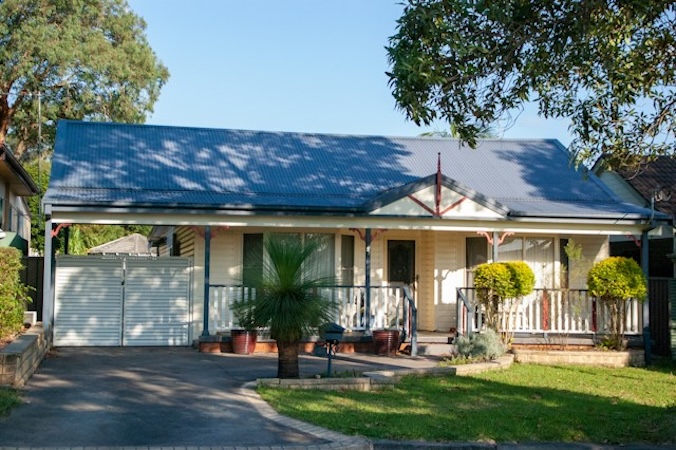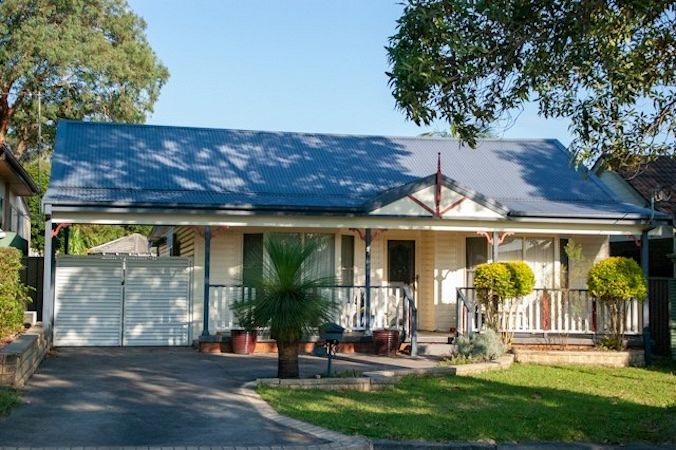
The concept of a knockdown rebuild is simple: you knock down an existing property to build a brand-new one.
It’s a choice that many Australian homeowners are now seriously considering and data from the Australian Bureau of Statistics shows that 19.2% of all new residential dwellings in the country were designated as KDRs.
That’s close to one in five of all new properties being a KDR, which is surprisingly high — and something that’s not spoken about enough. What’s causing this idea to be so popular with the public? When you consider what’s going on in the country and factor in the problems with the housing market over the last few years, it becomes quite obvious why so many homeowners see this as a viable option.
Better affordability & value for money
At the time of writing, the median house price across Australia is $884,855. While this has dropped significantly since the all-time high of over $1,000,000 in 2025, it still represents a very high average in the context of things. And what’s important to note here is that this figure is just for the property's resale value - what you’d pay to actually buy the house itself.
It doesn’t include other fees, such as:
- stamp duty;
- conveyancing and legal fees;
- estate agent commissions; and
- building inspections.
When all of this is added to the resale value, it becomes increasingly difficult for the average Australian to either a) afford a house, or b) justify spending that money on a home when there’s an alternative.
KDRs represent that alternative and they will cost either less than a new home or a similar amount. But what many homeowners realise is that it’s actually better value to demolish their home and build a new one. It allows them to add the additional space they may need and they also get to design their home however they want. As home builders, IMSU demonstrate, there’s more freedom to follow specific design choices when you build from scratch. Homeowners can call upon Japandi inspiration, or go full-on modern if they so wish.
The ability to choose how your home looks and functions makes the cost and effort of knocking it down and rebuilding it worth it.
Some homeowners have crunched the numbers and come out with two possible scenarios:
- Spend the money on moving into a home that may not be their dream home.
- Spend the same amount building a dream home.
From a value-for-money perspective, it’s easy to understand why many people are choosing the second option.
Staying in a preferred area
For many Australians, the prospect of moving home means moving out of an area they know and love. People may have spent well over a decade living amongst a community and striking up local relationships with the people and businesses around them. There then comes a time when they may need to think about upgrading their property because it’s either deteriorating or no longer has enough space to cope with a growing family.
This is where a big problem arises: families have to look for new homes, but they’re not always going to be available in the same area or neighbourhood.
Yes, things are being done to tackle housing affordability, though a lot of this revolves around schemes targeted at new-build developments. These developments often take place in areas of the country or a city that used to have almost nothing nearby and is being redeveloped. While these areas could seem nice, there’s a lot unknown - and families don’t want to take the chance. They would much rather stay somewhere that they know and love, especially if they’ve had children who’ve started to grow up there.
As a consequence, you can see why KDRs are popular for this particular type of homeowner. It’s an opportunity to build a better, more modern and functional home without leaving the neighbourhood they love.
Not much financial help for existing homeowners
Touching on the topic of housing affordability, many of the schemes and ideas that have been introduced in the last few years are aimed at one core group of people: first-time buyers. The best example of this is the Australian Government Help to Buy Scheme, which is designed to help people afford the purchase of a home by contributing between 30% and 40% towards the purchase price.
The idea is that you can buy a home with just a 2% mortgage and the government will contribute to give you more buying power. However, this scheme is only open to people who do not currently own Australian property or property overseas.
So, existing homeowners won’t benefit from the additional contributions, meaning they’ll have to sell their property and deal with things the traditional way. While you could argue that this doesn’t matter because existing property owners have equity in their homes, it can feel frustrating that there aren’t any additional incentives or schemes to help lower the cost of buying a home.
Instead, people are beginning to question whether they should bother and that’s why KDRs are becoming more common. Rather than selling a property to fund the purchase of another home, people are using the equity built up in their homes to finance the knock-down and rebuild of a new one.
Lack of new-build trust
There are some people who ponder between a KDR and buying a brand-new home because they want something new, modern and fresh. Unfortunately, it’s common knowledge that lots of new-build homes in Australia come with defects. Moneymag reported on this last year and it’s because there’s a lack of regulation, so it’s easy for new-build developers to cut corners.
People don’t want to take the risk, so they’d rather be in a position where they can oversee and control the construction process. A KDR allows this; you are in control of everything and can hold the builder accountable to ensure that your new home is constructed to the highest standards.
So, will this mean we’re going to see even more KDRs across Australia? It’s certainly possible, though these types of homes are only popular with people who’ve already bought a property. What we may end up seeing is a situation where there’s a rise in first-time buyers taking advantage of schemes and dropping house prices, but existing homeowners are more likely to shift to the KDR route instead of buying a new house.