Australia faces a pressing challenge: delivering sufficient housing while construction costs soar and tradies remain scarce.
Projections suggest we need 1.2 million additional homes by 2029. Traditional building methods alone won't bridge this gap.
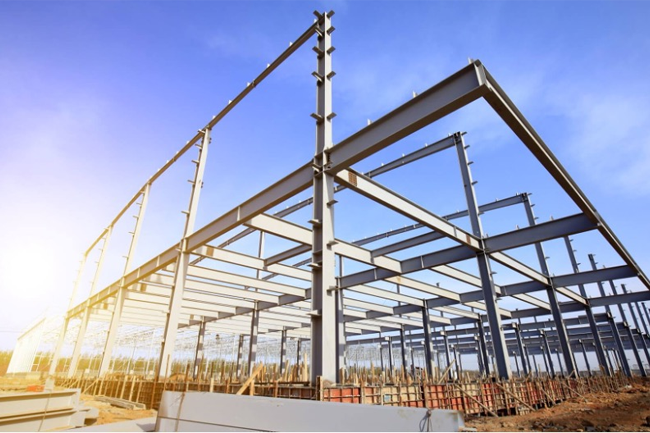
Yet solutions exist beyond policy debates. Among them: structural steel reinforcement systems that could accelerate construction, reduce labour bottlenecks and deliver safer buildings at scale.
The construction capacity crisis nobody discusses
Housing affordability dominates headlines. What receives less attention is Australia's inability to build quickly enough, regardless of funding or approved developments.
Construction timelines now routinely exceed 12 months. Labour shortages afflict every trade category. Material supply chains remain volatile. Skilled formwork specialists now stretch across multiple sites simultaneously.
When construction capacity limits building speed, policy discussions about taxation or planning reforms address only part of the equation. Physical building efficiency matters enormously.
Traditional reinforcement methods require extensive on-site labour. Steel must be cut, bent, tied, positioned and inspected before concrete pours proceed. Each step demands skilled workers who increasingly choose mining or infrastructure projects over residential construction.
Prefabrication changes everything
Modern structural steel systems allow significant work to occur off-site. Companies like Sydney Reo manufacture precisely engineered reinforcement cages, mesh panels and waffle pod systems that arrive ready for installation, eliminating weeks of on-site labour.
This shift delivers multiple advantages. Installation happens faster. Quality improves through factory conditions rather than weather-dependent site work. Fewer workers accomplish more because positioning prefabricated elements requires less time than building from raw materials.
Speed matters enormously. Reducing foundation work from two weeks to three days doesn't merely improve one project's timeline. Across hundreds of developments, such efficiencies accumulate into thousands of additional homes completed annually.
Safety standards support acceleration
Australian building codes demand robust structural integrity. Properly designed reinforcement determines whether foundations withstand soil movement, whether slabs resist cracking and whether structures maintain safety across decades.
Get foundations wrong and subsequent work becomes compromised. Rush installation and structural failures emerge years later, creating liabilities dwarfing any time savings.
Prefabricated systems actually enhance safety. Engineering happens in controlled design environments rather than being improvised on-site. Manufacturing ensures consistent quality. Installation follows proven procedures rather than varying with individual tradies' interpretations.
Building inspectors increasingly recognise that factory-manufactured components often exceed site-built quality. Standardisation reduces variation. Documentation provides accountability. Testing occurs before materials reach sites.
Economic efficiency beyond speed
Labour represents construction's largest cost component. When skilled workers become scarce, wages rise while availability drops. Prefabricated systems reduce labour requirements precisely when worker shortages bite hardest.
This efficiency redirects rather than eliminates jobs. Manufacturing facilities employ workers year-round. Designers, engineers and quality controllers support production. Installation crews require less extensive training because systems arrive ready for positioning.
Material waste strengthens the economic case. Traditional site cutting generates substantial scrap. Prefabrication optimises usage through precision manufacturing. Small percentage improvements become significant across industry-wide volumes.
Environmental considerations matter
Housing crisis solutions must consider environmental impact alongside delivery speed. Construction generates massive carbon emissions and material waste. Any approach scaling to national needs should minimise ecological damage.
Steel reinforcement represents recyclable materials manufactured with increasingly renewable energy. Prefabrication reduces transport movements because consolidated deliveries replace multiple runs. Installation efficiency means less diesel consumption from equipment idling during extended work.
Modern facilities capture and recycle cutting waste. Quality control reduces defects requiring replacement. Design optimisation ensures materials serve structural purposes without overengineering.
Scaling solutions requires infrastructure
Accelerating housing delivery demands supporting infrastructure. Manufacturing facilities require investment. Distribution networks need establishing. Training programs must prepare workers for prefabrication installation.
Government infrastructure policy typically focuses on roads, rail and utilities. Manufacturing capacity for construction materials deserves equivalent attention when housing shortages threaten economic stability. Just as we invest in concrete batching plants and timber mills, prefabrication facilities warrant strategic support.
Regional development opportunities exist. Manufacturing plants can operate outside expensive metropolitan areas while serving surrounding construction markets, distributing economic benefits while reducing congestion around capital city building sites.
Integration with broader housing strategy
Structural steel improvements won't solve housing shortages alone. Planning reform, public housing investment, migration policy, taxation structures and infrastructure funding all matter enormously.
However, construction efficiency deserves prominence in housing discussions dominated by demand-side interventions. We can reform planning while simultaneously ensuring we can build faster when approvals are granted and funding becomes available.
The housing crisis demands every available tool. Dismissing construction innovation while debating taxation creates false choices. Progressive policy should embrace technical improvements, delivering homes faster and safer.
Making progress practical
Australia possesses engineering expertise, manufacturing capability and construction industry experience to implement advanced reinforcement systems widely. Recognition that housing delivery depends on building efficiency alongside policy reform is required.
Developers choosing prefabricated reinforcement accelerate projects. Builders adopting modern systems complete foundations faster with fewer workers. Government agencies specifying such approaches demonstrate leadership while improving delivery timelines.
Industry practices resist change when alternatives offer advantages. Building codes must accommodate innovation. Training programs need updating. Procurement should reward efficiency rather than reflexively choosing the lowest costs.
Yet momentum builds when solutions prove themselves. Every successful project demonstrates viability. Every builder experiencing faster timelines becomes an advocate. Every home completed earlier helps families sooner.
Australia's housing shortage requires comprehensive responses spanning policy, funding, planning and construction. Technical improvements in structural systems represent one important piece often overlooked for more politically visible interventions. Building homes faster, safer and more affordably contributes meaningfully toward addressing this critical challenge facing our nation.