Managing short-stay holiday accommodation can be much more challenging than managing a permanent rental.
It's the nature of the game that guests regularly check in and out, which means those who run them must maintain a consistent level of cleanliness. If they don’t, their property might soon face issues with pest infestations.
When it comes to preventing pest problems, there is a lot more at stake for property managers than just keeping a space clean. They need to protect their business reputation and deter negative online reviews that might otherwise undermine their ability to maintain high occupancy rates throughout the year.
If you are a property manager responsible for short-stay rental accommodation, here’s how you can prevent pest problems.
What harm can pests do to short-stay rentals?
As its name implies, short-stay rentals receive more foot traffic than long-term leased properties. While it's in your interests to achieve full occupancy, these extra guests usually bring luggage, food and personal items onto the property, which can attract or introduce pests.
Given that they are only staying there for a short time, they also often don’t have the same sense of responsibility that they would if they were somewhere longer term. Therefore, even a small issue can escalate quickly if it is not managed early.
Typically, pest problems can lead to:
- the threat of illness to guests;
- general health and hygiene concerns for the property as a whole;
- damage to furniture and fittings;
- negative online reviews from patrons; and
- refund requests or complaints.
For any property manager overseeing multiple listings, a single pest issue can affect their brand reputation across the board.
What common pests are found in short-stay rental properties?
Perhaps the best way to deal with pest problems is to understand what you are dealing with. Many of the most common pests in rental properties across Australia are drawn to food, moisture, and shelter. Here are some of the usual suspects.
Ants, cockroaches and spiders
These are by far the most common pests found in short-stay properties. Ants, in particular, are often drawn to food crumbs or sugary spills and can quickly become a persistent issue if not properly treated. Cockroaches tend to thrive in warm, hidden areas such as kitchens and bathrooms, while spiders usually settle in quiet corners or outdoor spaces.
If ants are becoming a recurring problem, working with specialists like Masters Pest Control Sydney can help address the root cause of the infestation, eliminate active colonies and put preventative measures in place to stop them from returning.
Rodents
Rats and mice are another nuisance that can cause considerable consternation among guests. They can enter through even the smallest of gaps and are often attracted to bins, food waste and cluttered storage areas.
If your property is located near restaurants, waterways, or bin areas, you may be more at risk than others.
Bed bugs and guest-introduced pests
Bed bugs are a major concern in short-term rentals and one of the fastest ways to gain negative reviews.
Unfortunately, these pests can be brought in through luggage and spread quickly if they are not identified and controlled early.
How to stay on top of pest problems
Knowing what threats of pest infestation you face is one thing. But actually preventing them is something else entirely. Here are four things you can do.
1. Stick to a preventive cleaning and maintenance routine
Possibly the best way to prevent pests from infiltrating your short-stay rentals is to keep them as clean as possible.
Ideally, you should give each room a thorough deep cleaning as soon as the guest has vacated. Make sure you change all linens and take out the rubbish. Keeping the space spotless will not only create a good impression on the guests you want. But it will also keep away the ones you don’t.
2. Schedule routine property inspections for early detection
Even with strong cleaning systems in place, it doesn’t hurt to conduct regular inspections of your properties. These types of checks are worthwhile because they allow property managers to identify small issues before they become larger problems.
A good inspection routine should include:
- kitchens and pantry areas;
- bathrooms and plumbing zones;
- outdoor spaces and balconies; and
- storage cupboards and hidden corners.
In the long run, doing this can save you time, money and bad customer reviews.
3. Implement preventive pest control strategies
Preventative strategies are all about making the property less inviting to pests in the first place.
One of the easiest ways to do this is to seal entry points around doors, windows and pipes that otherwise let pests enter your rooms at will. It is also advisable to maintain your outdoor areas regularly, as rats, snakes and other vermin can be attracted to long grass and bin areas.
Where possible, try to minimise damp areas and environments around your property, as they can be attractive breeding grounds for insects, such as mosquitoes.
4. Educate guests and set clear expectations
While you can’t make them follow rules, you can educate guests as to how you would like them to maintain the condition of your property.
This can involve:
- providing guidelines for food storage;
- encouraging guests to clean up spills; and
- offering clear instructions for disposing of rubbish.
You can communicate these guest hygiene standards through welcome guides, signage or digital check-in instructions. When you set expectations for guests, they are more likely to follow them.
When to use professional pest control services
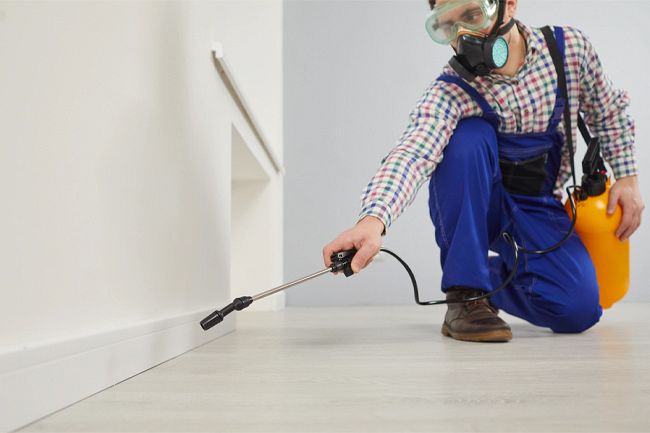
We are not going to lie. Taking preventive measures to safeguard your property from pest problems can be quite challenging. Not only does it take up a lot of time, but it can also be expensive as well. That is why sometimes it pays to call in the professionals.
Pest control services can provide long-term solutions to protect your property from ants, rats and bed bugs. They offer a range of treatments designed to target specific pests and reduce the likelihood of their return. Using them can be the difference between having full occupancy and plenty of online reviews from satisfied customers. Or not.