The ongoing U.S.-Israel-Iran conflict has illustrated a profound transformation marked by the erosion of the rules-based order. Great power politics are driving this international shift, which demands an ethical amnesty framework, writes Dr Muhammad Imran Ashraf.
THE CONTEMPORARY INTERNATIONAL SYSTEM is undergoing a profound transformation marked by the erosion of the rules-based order. This shift is driven largely by the conduct of major powers, particularly the United States and Israel, in their ongoing confrontation with Iran.
Increasingly, these actors prioritise national interests, strategic dominance, and security imperatives over shared global norms and legal frameworks. This pattern undermines the legitimacy of international institutions and signals to smaller states that adherence to global rules is optional rather than obligatory.
This transformation reflects not only a structural shift but also a deeper normative crisis. Core principles such as justice, legality and multilateralism are increasingly subordinated to strategic expediency. The ongoing conflict exemplifies this trend and has evolved into an existential struggle for all three actors in their perspective.
For Israel, it concerns long-term security; for Iran, continuity of ideo-political legacy and regional influence; and for the United States, credibility, deterrence and global leadership.
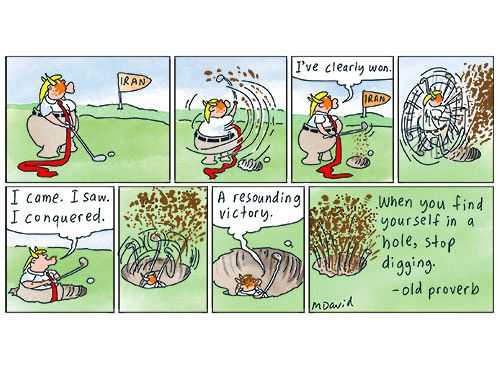
Yet, the conflict also exposes the limits of U.S. power. Despite overwhelming military superiority, the United States has been unable to end the confrontation decisively. Iran’s reliance on asymmetric warfare, regional alliances, and retaliatory capabilities has imposed significant political and economic costs, suggesting that power alone is no longer sufficient to determine outcomes.
At its core, the conflict is rooted in deep structural causes: longstanding hostility, ideological rivalry, nuclear tensions and competition for regional dominance. These underlying dynamics create a volatile environment triggered by military escalation, leading to a cycle of retaliation.
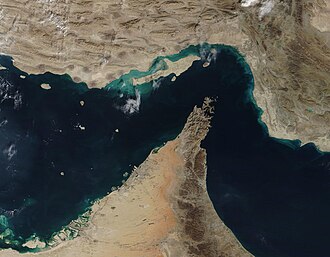
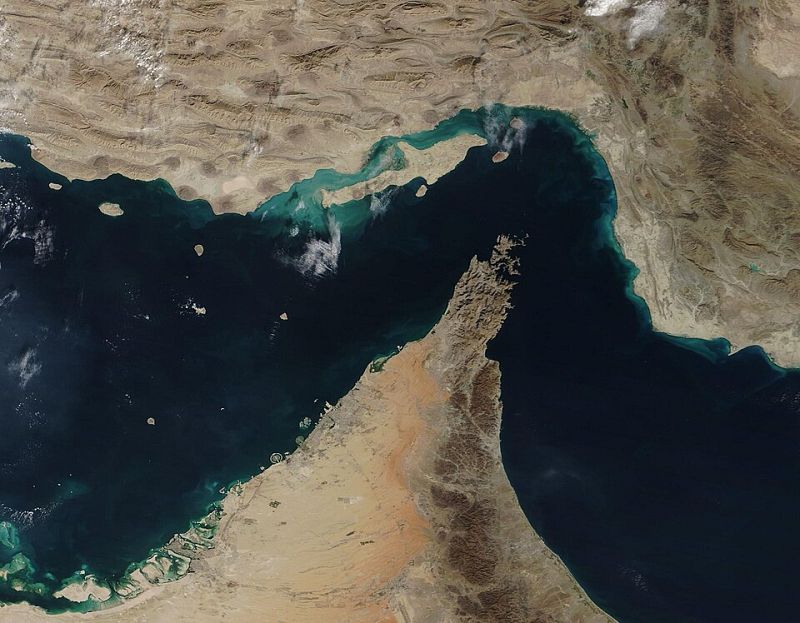
What began as a limited confrontation has expanded into a broader regional crisis affecting global energy markets and trade routes, particularly through strategic chokepoints like the Strait of Hormuz.
The persistence of the conflict highlights the gap between theoretical foreign policy frameworks and real-world decision-making. While democratic theory emphasises institutional oversight, in practice, foreign policy is often dominated by executive leadership. Strategic perceptions, psychological factors and threat assessments play decisive roles, reinforcing the idea that leadership responses to structural pressures shape outcomes more than formal institutions.
From an ethical perspective, the conflict raises serious concerns. "Just war theory" evaluates war based on just cause, proportionality and last resort, providing a useful framework. While preemptive security concerns may be invoked as justification, the scale of destruction and civilian suffering raises doubts about proportionality. Moreover, continued hostilities despite diplomatic alternatives suggest that the principle of last resort has not been fully satisfied.
A utilitarian perspective further challenges the conflict’s legitimacy. The war has resulted in significant loss of life, regional instability and global economic disruption. Energy price volatility and threats to trade routes have amplified global consequences — indicating that the overall harm outweighs potential benefits.
Similarly, a deontological approach, which emphasises moral duties, highlights violations of sovereignty and civilian protections. Preemptive strikes and strategic targeting raise serious concerns about compliance with international law, including the principles enshrined in the Geneva Conventions.
The conflict also underscores the enduring tension between realism and idealism in international relations. Realism posits that power and national interest dominate current behaviour, while idealist principles such as cooperation and collective security are increasingly marginalised. This imbalance weakens global governance and creates a permissive environment for further deviations from established norms.
Several interrelated problems emerge. First, the concentration of foreign policy decision-making in executive leadership limits accountability and encourages unilateral action. Second, the failure of preventive diplomacy has allowed tensions to escalate into open conflict. Third, ethical considerations – particularly civilian protection – are often sidelined in favour of strategic objectives. This creates an escalation spiral in which each action provokes retaliation, further destabilising the region.

Addressing these challenges requires a comprehensive and ethically grounded response. Diplomacy must be re-centred as the primary tool of conflict resolution, supported by renewed commitment to multilateral engagement. Ethical restraint in warfare, especially adherence to proportionality and civilian protection, must be reinforced.
Equally important is strengthening institutional oversight to balance executive decision-making. Long-term stability depends on addressing root causes such as security dilemmas, regional rivalries and economic inequalities.
Ultimately, the conflict is not merely geopolitical but a test of moral responsibility in international politics. While realism may explain state behaviour, it does not justify the consequences. Without renewed commitment to shared values and ethical leadership, the international system risks further fragmentation and instability.
Findings and strategic implications
The current impasse appears shaped less by structural constraints than by political calculations of key leaders. For instance, leadership considerations in the United States may require a credible face-saving pathway to support de-escalation. One possible narrative emphasises that traditional allies remain fundamentally aligned with the United States, even when disagreeing with specific policies. Such framing could preserve credibility while enabling a shift toward diplomacy.
At the same time, the potential involvement of NATO or other nuclear-armed states significantly increases the risk of escalation. In such a scenario, attribution of responsibility for any nuclear use would become highly contested, creating dangerous ambiguity. This uncertainty could trigger a self-reinforcing escalation dynamic, heightening the risk of catastrophic outcomes.
“Ought” rather than “is”: An ethical amnesty framework
Historically, wars tend to end through two pathways. First, when the cumulative human and economic costs become unsustainable. Second, when leaders are provided with face-saving exit options that preserve their legitimacy. In the present conflict, despite high costs, both sides remain entrenched, suggesting that a dignified exit mechanism is essential.

An innovative approach would involve the United Nations Secretary-General, António Guterres, invoking Article 99 of the UN Charter, which allows independent action to address threats to international peace. This could form the basis for a formal appeal for an immediate ceasefire, similar to the global ceasefire call made during COVID-19 in 2020.
Proposed framework
1. Immediate ceasefire: A clear and unconditional call for cessation of hostilities to halt further losses.
2. High-level committee: A representative body including major and regional powers, along with independent legal experts, tasked with reaching a binding resolution without veto constraints.
3. Interim Strait of Hormuz arrangement: An agreement ensuring continued maritime access, potentially with regulated transit mechanisms, to stabilise global energy flows.
4. Durable settlement plan: A UN-mandated framework addressing compensation, security guarantees and long-term conflict prevention, potentially ratified by the UN General Assembly.
This structured approach balances immediate de-escalation with a pathway toward sustainable peace. By providing a face-saving mechanism for all parties, it increases the likelihood of compliance while restoring confidence in international law.
The ongoing U.S.-Israel-Iran conflict represents a critical juncture in global politics. It reflects not only shifting power dynamics but also a deeper erosion of ethical commitment in international relations. Without renewed emphasis on diplomacy, legal norms and moral responsibility, the global order risks descending into a system where power consistently overrides principle.
A carefully framed initiative grounded in ethical pragmatism and institutional authority offers a viable path forward. Such an approach could not only end the current conflict but also contribute to rebuilding a more just and stable international order.
Dr Muhammad Imran Ashraf is an associate professor and executive director of HYIERI Australia.
 This work is licensed under a Creative Commons Attribution-NonCommercial-NoDerivs 3.0 Australia License
Support independent journalism Subscribe to IA.