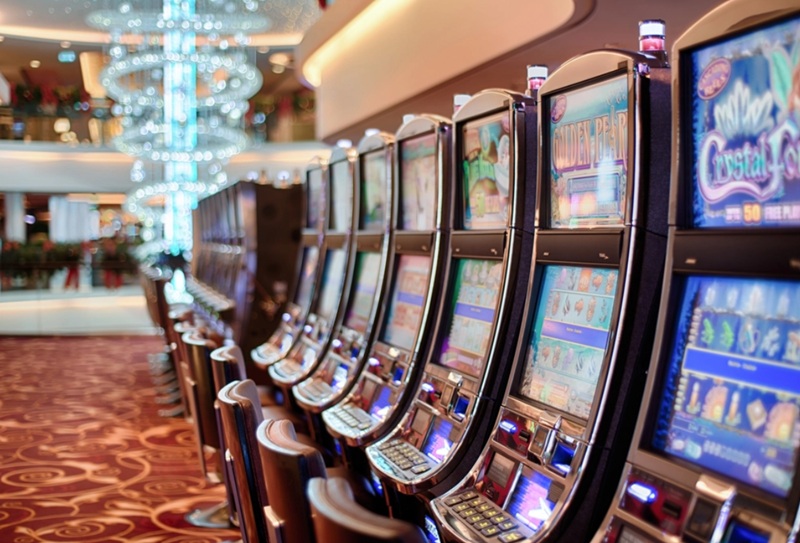
Anthony Albanese has quietly unveiled some of the biggest gambling reforms Australia has ever seen — but are they enough? Emma Goldrick comments.
For many Australians, sport is intrinsically woven into the fabric of our national identity. Yet in a country that records the highest per-capita gambling losses in the world, sporting culture and having a punt have, for many, become synonymous.
Announced in the latter stages of Anthony Albanese's 2 April 2026 address to the National Press Club – and largely lost in media coverage as it has been overshadowed by escalating global conflict – the Prime Minister unveiled plans for what he described as the “most significant reform on gambling” Australia has ever seen.
While these reforms are significant in marking the first major regulation of a largely unregulated landscape, many are questioning whether the proposed measures will go far enough to address rising rates of sports gambling across the country and generations of serial sporting gamblers. The partial gambling advertising ban comes as the Government attempts to balance the recommendations of the 2023 Murphy Report with the economic realities of Australia’s media and sporting industries.
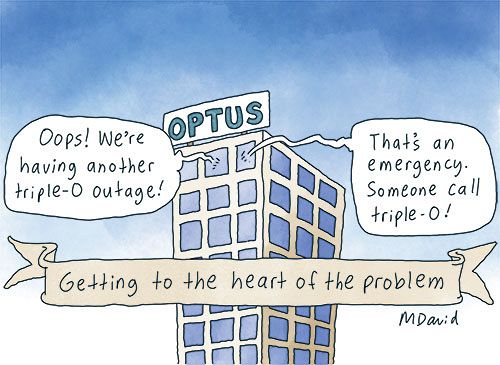
Under the proposed framework, gambling advertisements on free-to-air television will be capped at three ads per hour between 6:00 am and 8:30 pm, with a complete ban during live sporting broadcasts within those hours. In an effort to specifically limit exposure to younger generations, radio advertising will also face restrictions, including a ban during school drop-off and pick-up periods, from 8:00 am to 9:00 am, and from 3:00 pm to 4:00 pm.
Perhaps the most visible shift will be in Australian sport itself. Gambling branding will be removed from stadiums and player uniforms, while influencer endorsements and appearances by athletes in betting promotions will be prohibited. For many Australians, this signals a major cultural shift in the relationship between sport and wagering — as overt sportbetting branding on uniforms and stadiums has increased substantially with the rise of online betting platforms' popularity.
Online advertising will also be tightened, with betting companies only permitted to advertise to users who are logged in and verified as over 18. As part of what has been described as a "triple-lock" system, users will also be given the ability to opt out of receiving gambling promotions — although the specifics of how this will work in practice are yet to be outlined.

The announcement has sparked criticism from public health advocates and crossbench politicians, who argue the reforms do not go far enough. Independent Senator David Pocock, who has been a long-term advocate for gambling reform, has been one of the most vocal critics of the Government’s proposal, arguing the measures fall well short of what is required to meaningfully reduce gambling harm. Pocock has pointed to the Murphy Review’s recommendation for a phased total ban on online gambling advertising, warning that anything less risks preserving the culture of gambling amongst Australians.
Notably, the political challenge lies in how deeply embedded gambling revenue has become within Australia’s sporting ecosystem. For years, betting companies have evolved from peripheral advertisers into major commercial partners of sporting codes, broadcasters and clubs. Sponsorship deals, in-stadium branding, broadcast advertising slots and digital integrations now form substantial revenue streams for organisations such as the AFL and NRL, as well as the networks that hold their media rights.
This financial interdependence has created a system in which sport, media and betting interests are increasingly difficult to disentangle. Any serious reform, therefore, is not simply a matter of restricting advertisements, but of confronting a funding model that has, over time, normalised betting as an almost inseparable part of the sporting experience.
Emma Goldrick works in policy communications and as a freelance writer. Her work has appeared in a variety of publications much of which pertains to environmental politics and government discourse.
 This work is licensed under a Creative Commons Attribution-NonCommercial-NoDerivs 3.0 Australia License
Support independent journalism Subscribe to IA.


Related Articles
- Sport, alcohol and gambling: A recipe for mind control?
- The attack of the pokies
- Cricket, grog and junk food: A recipe for obesity
- Politics and sport don't mix — unless donations or sponsorships are involved