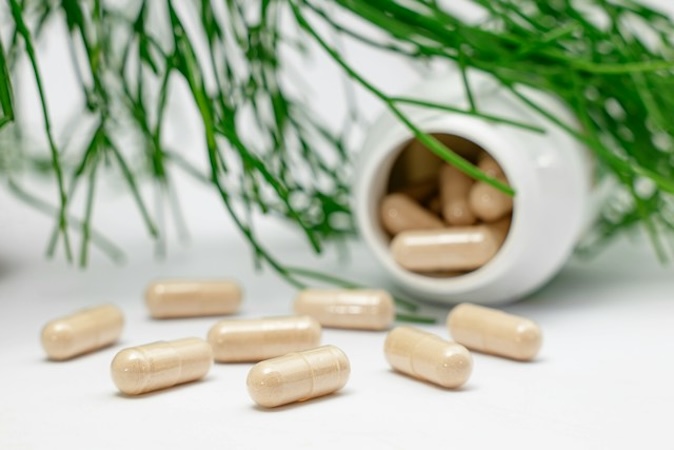
You trust the label on your supplement bottle to tell you exactly what you're putting in your body. But what if that label isn't the full story? The reality is that many supplements don't contain what they claim, and some harbour contaminants that could harm your health.
The supplement industry's dirty secret
Unlike pharmaceutical drugs, dietary supplements don't require pre-market approval from regulatory bodies like the FDA. Manufacturers can produce and sell supplements without proving they're safe or effective. This regulatory gap creates a perfect storm for quality issues.
Studies have repeatedly shown disturbing trends. Research published in medical journals has found that some supplements contain none of the advertised ingredients, while others include prescription drugs, heavy metals, or unlisted fillers. A study published in JAMA Network Open identified 776 adulterated supplement entries associated with FDA warnings, representing 746 distinct products.
The problem isn't just about ineffective products. In documented cases, certain contaminated supplements have been linked to serious adverse health events including liver damage, kidney failure, and cardiovascular problems, though such severe outcomes are not typical of all contamination cases. Some athletes have tested positive for banned substances they unknowingly consumed through tainted supplements, ending careers and tarnishing reputations.
What can go wrong in supplement manufacturing
Understanding the potential problems helps explain why independent testing matters so much. Several issues commonly plague the supplement industry.
Ingredient substitution
Some manufacturers replace expensive ingredients with cheaper alternatives. You might pay premium prices for rhodiola or ashwagandha, only to receive a bottle filled with rice powder or ground leaves that provide no therapeutic benefit.
This practice, called economically motivated adulteration, happens more often than most consumers realise. It's pure deception that targets your wallet while providing zero health benefits.
Contamination
Heavy metals like lead, mercury, and arsenic can contaminate supplements through polluted soil or water where plants are grown. Manufacturing facilities may also introduce contaminants through poor quality control.
According to testing reports, some protein powders have tested positive for concerning levels of these toxic metals. These contaminants accumulate in your body over time, creating long-term health risks.
Dosage discrepancies
Your vitamin D supplement might claim to contain 5,000 IU per capsule, but testing could reveal only 2,000 IU. Alternatively, some supplements contain dangerously high amounts that exceed safe upper limits.
Both scenarios create health risks, either through inadequate supplementation or potential toxicity. You're either not getting what you paid for, or you're getting too much of a good thing.
Undisclosed ingredients
Perhaps most alarming, some supplements contain prescription medications or banned substances not listed on the label. Weight loss supplements have been found to contain stimulants.
Sexual enhancement products sometimes include compounds similar to prescription medications. These hidden ingredients can interact with medications or cause serious side effects that you never saw coming.
How independent testing works
Independent testing organisations operate outside the supplement industry, providing unbiased analysis of products. These third-party labs use sophisticated equipment to verify what's actually in supplements.
Here's how it works:
- Labs purchase products directly from stores or online retailers, just like regular consumers, ensuring they test what people actually buy rather than special samples from manufacturers.
- Scientists analyse the products using methods like high-performance liquid chromatography (HPLC) and mass spectrometry.
- Testing verifies that labelled ingredients are present in the stated amounts.
- Labs screen for contaminants including heavy metals, pesticides, and microbes.
- They look for banned or unlisted substances that shouldn't be there.
Products that pass comprehensive testing earn certification seals that appear on labels and websites. These seals tell consumers that an independent organisation has verified the product's quality.
Major independent testing organisations
Several reputable organisations provide third-party supplement testing. Each has slightly different standards and testing protocols.
- NSF International tests for label accuracy, contaminant levels, and manufacturing quality. Their NSF Certified for Sport program specifically screens for substances banned in athletics.
- USP (United States Pharmacopeia) verifies ingredient identity, strength, purity, and disintegration. Their standards are particularly rigorous.
- ConsumerLab.com purchases and tests supplements, publishing detailed reports available to subscribers. They've exposed numerous quality problems over the years.
- Informed Choice and Banned Substances Control Group (BSCG) focus on testing for prohibited substances, primarily serving athletes.
For consumers looking beyond marketing claims, Supp Science offers a resource for exploring supplement quality, testing, and research.
The real cost of untested supplements
Choosing untested supplements might save money upfront, but the potential costs are significant. If your supplement doesn't contain adequate amounts of active ingredients, you're essentially paying for placebo pills. You miss out on the health benefits you're seeking while wasting money.
But here's the bigger risk: contaminated supplements can damage your health. Heavy metal accumulation contributes to neurological problems, kidney damage, and other chronic conditions. Undisclosed pharmaceutical ingredients can cause allergic reactions, interact dangerously with medications, or create dependency.
For competitive athletes, a single contaminated supplement can result in a positive drug test, suspension, and permanent career damage. Even recreational fitness enthusiasts face health risks from stimulants or hormones hidden in pre-workout or muscle-building products.
How to choose tested supplements
Being a smart supplement consumer requires some effort, but protecting your health is worth it. Here's what you need to do:
Step 1: Look for certification seals on product labels. Verify these certifications by checking the testing organisation's website, as some manufacturers display fake or expired certifications.
Step 2: Research brands before buying. Companies committed to quality usually publicise their testing practices and make certificates of analysis available. Transparency is a good sign.
Step 3: Be wary of red flags like products making exaggerated claims or promising miracle results. If it sounds too good to be true, it probably is.
Step 4: Consider the price point. Quality testing costs money, and while price alone doesn't guarantee quality, extremely cheap supplements often cut corners somewhere, whether in ingredient quality or testing.
Step 5: Read beyond marketing materials. Check independent reviews and look up products on ConsumerLab.com or similar resources. Other consumers' experiences can reveal quality issues that advertising won't mention.
Making informed decisions
Your health depends on what you're actually putting in your body, including supplements. While the industry has quality problems, you're not helpless. Independent testing provides a powerful tool for identifying trustworthy products.
The extra cost of tested supplements represents an investment in your well-being. When you choose quality products, you're more likely to receive supplements that actually contain beneficial ingredients at effective doses without harmful contaminants. You also avoid the potential medical costs associated with contaminated or ineffective supplements.
As consumer demand for tested supplements grows, more manufacturers will prioritise quality and transparency. Your purchasing decisions send a message about what standards you expect. By choosing independently tested products, you protect yourself while encouraging positive change throughout the industry.
Start today: before you buy your next supplement, spend two minutes checking for third-party certification. Look up the brand on ConsumerLab or verify that certification seal is legitimate. These simple steps can mean the difference between a supplement that helps and one that harms.