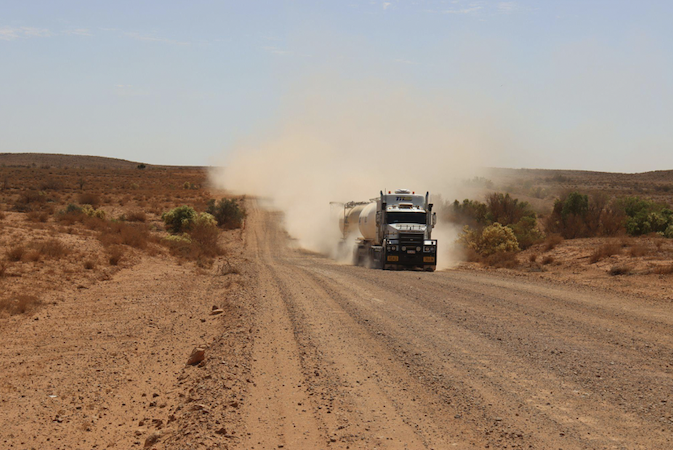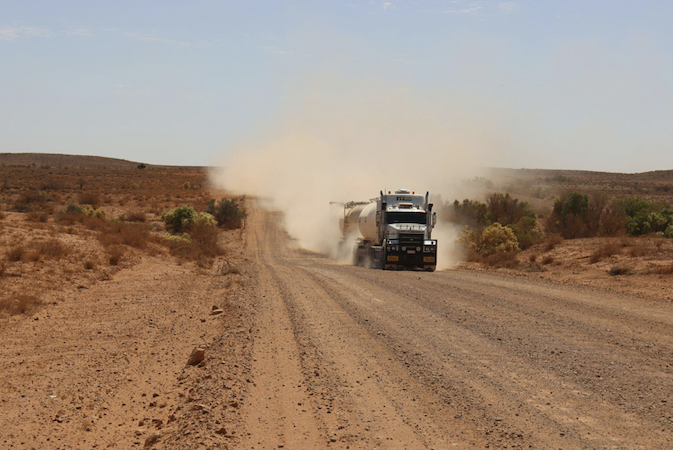
In regional Australia, many jobs are done from the driver’s seat of a ute or van. A water technician may spend the day driving between pump stations and a community nurse may visit properties an hour apart. If a vehicle leaves a gravel road, the worker inside is often alone and out of mobile range, and the depot may not know anything is wrong until the end of the shift.
Why are lone drivers in regional areas at greater risk?
Vehicle incidents are the leading cause of work-related deaths in Australia: in 2024 they killed 79 of the 188 workers who died at work, and 72 per cent of the fatalities involving a vehicle came from single-vehicle incidents. A single-vehicle crash on a remote road often has no witness, so how quickly the alarm is raised depends on how the employer keeps track of its people.
Work health and safety (WHS) law treats this as remote or isolated work, where location, time or the nature of the job makes it harder to get help. Under the model WHS Regulations, a business must manage the risks of remote or isolated work and have a system for effective communication with the worker. Victoria has separate occupational health and safety laws and details vary between jurisdictions, so confirm requirements with the local regulator.
How does vehicle tracking fit into a lone worker plan?
Many regional employers ask workers to check in when they set off, when they arrive and when they finish. Vehicle tracking adds a live picture to that routine. A small device in the vehicle sends its position to an online map, so a supervisor can see where each ute is and when it last moved. Businesses with staff spread across large areas can use Radius vehicle tracking to check real-time vehicle location through an online portal or mobile app.
The data matters most when a check-in is missed. A supervisor who can see the vehicle’s last known position and how long it has been stationary can send the first call or callout to the right place. The same records support route planning: long drives can be scheduled in daylight and visits in one district can be grouped so workers cover fewer kilometres on unsealed roads.
A written procedure for remote vehicle work can set out:
- the planned route and expected arrival time for each trip;
- check-in times and the person responsible for answering them;
- the steps a supervisor takes when a check-in is missed, including when to call emergency services; and
- a backup way to communicate in areas without mobile coverage.
Tracking data supports each step, provided the team has practised the procedure beforehand.
Where does a vehicle tracker fall short?
A tracker fitted to a ute follows the ute. Once the worker walks off to check a fence line or a meter, the map shows only where the vehicle is parked. Regulator guidance notes that mobile phones cannot be relied on for communication in many locations and asks employers to plan for workers who leave a vehicle-based system behind. For work on foot or in areas with no coverage, a business can add satellite phones or personal locator beacons and should ask any tracking provider how data is sent where the network drops out.
Workers also need to know what is collected and why. The federal Privacy Act does not specifically cover workplace surveillance. Employers that monitor staff must still follow the relevant Commonwealth, state and territory laws, and some states have dedicated workplace surveillance laws. WHS laws also require businesses to consult workers on health and safety matters. Talking the plan through with drivers before tracking starts and explaining that the data serves journey safety and planning, helps the system work as intended.