Escalating conflict in the Red Sea threatens to disrupt global shipping, drive up costs and trigger widespread supply shortages, writes Dr Sanjoy Paul.
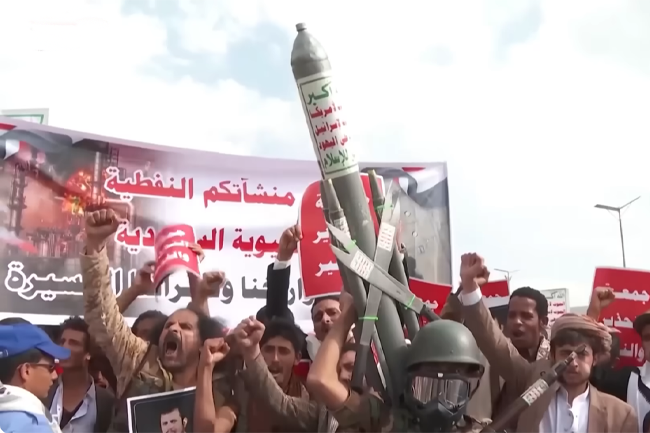
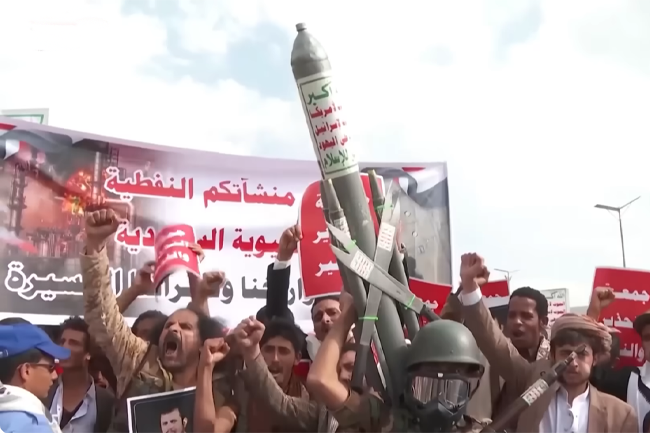
FROM THE OUTSIDE, the war between the Houthis and Saudi Arabia seems limited to two parties.
The war now enters a critical zone and is attacking critical oil infrastructure and controlling the Red Sea route. The impacts of this war, and the control of one of the world's largest shipping routes, are catastrophic and affect many nations and billions of consumers worldwide.
The connected shipping route via the Bab el-Mandeb Strait, Red Sea and Suez Canal is a critical shipping route for global shipping and is responsible for transiting 10-12 per cent of global trade. Between Asian, European and Pacific countries, this entire shipping route is critical for exporting and importing many critical goods and products.
Dragging this critical route into the war impacts businesses and trade between three major continents, including Asia, Europe and the Pacific. This disruption is severe for global shipping and supply chains for the following reasons.
- A large volume of global trade transits through the corridor
About 10-12 per cent of global trade passes through the Bab el-Mandeb Strait, Red Sea and Suez Canal in both directions. Most of the trade between Asian and European countries transits through this shortest shipping route that saves time and cost.
This route is also critical for global oil shipping. From the Middle East, Saudi Arabia has diverted most of its oil exports using the east-west pipeline and via the Red Sea. The oil exports are now expected to be significantly disrupted, as part of the shipping route has become riskier for shipping. Many Asian and European countries' oil supply could be significantly impacted for a longer period.
- Destruction of logistics infrastructure
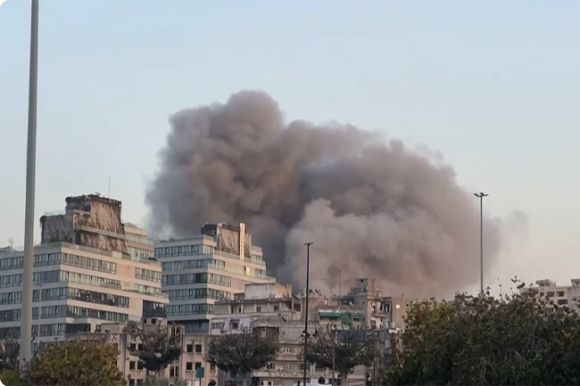
The impacts of the attacks on oil infrastructure, tankers and ports are severe. The global shipping industry may need a longer period to repair and recover from the impacts before resuming normal operations. From Saudi Arabia, oil tankers travel via the southern end of the Bab el-Mandeb Strait to Asian countries and via the northern end, the Suez Canal, to European countries.
The damage to Saudi Arabia’s oil pipelines could have a devastating effect, as they have been serving as a lifeline for global oil supply, as an alternative to bypassing the Strait of Hormuz. The consequence is so severe that Saudi Arabia has already cancelled crude oil shipments to refineries in Europe.
The control of the Port of Mocha and strategic islands in the Red Sea could make the shipping route riskier and harder to pass through.
- Skyrocketing insurance
Since the war between the USA and Iran started, shipping insurance has increased substantially. The recent attacks on Saudi Arabia’s oil tankers in the Red Sea have further increased shipping insurance. The war risk premiums surged to more than double after the Houthis blocked Red Sea shipping. The continuing tensions in the region would see shipping insurance premiums increase greatly.

- Limited and costly alternative options
The Red Sea shipping route has limited alternatives. The most notable alternative route is connecting Asia and Europe via South Africa’s Cape of Good Hope. The alternative route is far longer, which could increase the shipping time by several weeks and contribute to increased shipping costs and delivery delays.
- Global-level impacts on critical products
The trade route is critical for multiple continents. Any interruptions on the shipping route impact billions of consumers globally. In this case, consumers from Asia, Europe and several Pacific nations could see a supply shortage of many critical goods.
- Catastrophic disruption in supply chain operations
Ideally, supply chain operations do not like disruptions. It creates a ripple effect in both upstream and downstream supply chains. Upstream supply chains (supplier side) could see an increase in inventories and end up having elevated levels of backlogs. On the other hand, downstream supply chains (customer side) could be impacted by the shortage of supply.
The Red Sea shipping route is critical for global distribution of food, medicine, oil, fertiliser, apparel, machinery and electronics. The disruption in this route creates an imbalanced supply chain of these critical goods.
- Impacts on the global economy
The immediate consequences of halted supply chains, limited supply of critical goods, expensive and limited alternative options and skyrocketing insurance costs propagate through the chain, and end up impacting businesses and end consumers. Shortages of critical products translate into increased prices as an impact.
The ongoing interruptions force the supply chain to undergo a major restructuring in the future and the global economy could be impacted by the transformation in the process.
Dr Sanjoy Paul is the Associate Head of Research and an Associate Professor in Operations and Supply Chain Management at the School of Management, UTS Business School, University of Technology Sydney.
 This work is licensed under a Creative Commons Attribution-NonCommercial-NoDerivs 3.0 Australia License
Support independent journalism Subscribe to IA.


Related Articles
- U.S. arsenal stretched as Australia weighs alliance risks
- Epic Fury, strategic failure: America’s Iran debacle
- The Iran nuclear lie and the warning signs Australia must not ignore
- America’s Iran war for oil signals environmental disaster
- Late 2026 — far from now