A swimming pool can look simple when the water is clear and the surface is free of leaves. That impression is misleading. A safe and stable aquatic environment depends on chemistry, circulation, filtration, equipment condition, surface care, hygiene, and disciplined observation.
The work is not limited to cleaning what can be seen. It requires the ability to notice early signals, interpret them correctly, and prevent minor irregularities from becoming expensive failures.
The value of Pool Services is best measured by what does not happen: algae that never spreads, heaters that are not damaged by scale, pumps that do not run dry, swimmers who are not exposed to poorly balanced water, and surfaces that do not deteriorate before their time. Strong maintenance is preventive by nature. Weak maintenance usually waits until the problem is visible.
Clear water is not enough
The most common mistake in evaluating pool care is trusting appearance alone. Transparent water can still be chemically unstable or unsafe. A sanitiser level may look acceptable, while pH makes it less effective. Calcium may be high enough to encourage scale. Stabiliser may be excessive, reducing chlorine performance. Poor circulation may leave hidden zones where debris, oils, and microorganisms collect.
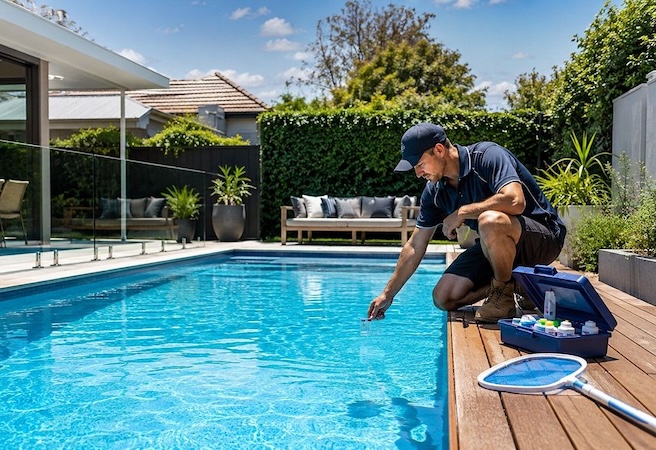
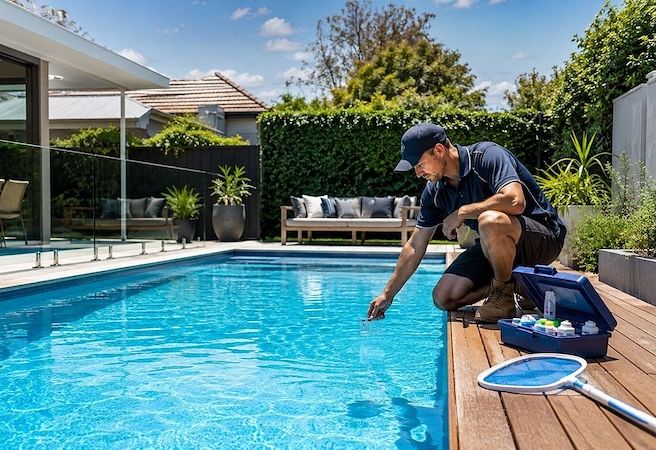
An experienced technician treats clarity as one indicator, not a final verdict. Testing should cover the main parameters that affect balance and sanitation, including pH, alkalinity, calcium hardness, sanitiser level, cyanuric acid where chlorine is used, salt level where relevant, and signs of organic contamination. The numbers must be interpreted together. Adding the same dose of chemicals every visit is not maintenance; it is guessing.
Water changes with weather, sunlight, rainfall, evaporation, refill source, bather load, landscaping debris, and temperature. A shaded residential pool used twice a week does not behave like a heavily used facility exposed to constant sun and dust. Skilled care adapts to those conditions instead of forcing every site into the same routine.
Good chemistry starts with diagnosis
Reliable Pool Services uses testing as a decision-making tool. When water turns cloudy, the cause may be weak filtration, early algae growth, high calcium, low sanitiser, improper pH, fine suspended particles, or inadequate circulation. Each cause calls for a different response. Adding shock without diagnosis may temporarily improve appearance while leaving the underlying issue untouched.
Good chemical management is also restrained. More product is not always better. Excess sanitiser can irritate skin and eyes, fade covers, damage surfaces, and shorten the life of seals, heaters, or fittings. Aggressive water can corrode metal components. Scale-forming water can block heat exchangers, roughen surfaces, and reduce system efficiency. The professional standard is balance, not chemical force.
Safe handling matters as much as correct dosing. Chlorine, acid, stabilisers, oxidisers, and speciality products must be stored and used according to manufacturer instructions. They should never be mixed casually. Careless handling can create toxic fumes, surface damage, corrosion, or serious injury.
Equipment must be read as a system
A pool is not only a vessel filled with water. It is a hydraulic system. Pumps, filters, valves, skimmers, drains, returns, heaters, chlorinators, automation, and plumbing all affect one another. A technician who only skims the surface may miss the condition of the system that keeps the water healthy.
Competent maintenance includes listening to pump noise, checking flow, reading filter pressure, inspecting baskets, looking for air under the pump lid, watching return strength, checking valve positions, and noticing leaks or unusual vibration. These small observations often reveal problems before failure occurs.
Filter care is one of the clearest signs of workmanship. Cartridge elements need proper cleaning and timely replacement. Sand filters require correct backwashing and periodic evaluation of media condition. Diatomaceous earth filters demand careful recharging and handling. Rushing this work can damage components or leave the system struggling to perform.
A rising pressure gauge, a pump that loses prime, a heater with restricted flow, or a valve left in the wrong position can create costs that far exceed the price of routine attention. Good maintenance protects the equipment as well as the water.
Prevention is the real standard
In well-run Pool Services, the goal is not to arrive after a failure. The goal is to reduce the chance of failure in the first place. That means preparing for storms, heat waves, pollen season, heavy guest use, long absences, opening periods, and winter shutdowns, where applicable.
Preventive care includes brushing walls before biofilm gains a foothold, cleaning the waterline before deposits harden, maintaining a suitable water level, removing organic matter from hidden spaces, protecting surfaces from aggressive chemistry, and identifying parts that show early wear. It also means understanding the site. Trees, hard fill water, construction dust, coastal air, nearby soil, and automatic covers all create different maintenance demands.
Reactive work may look cheaper at first because it avoids careful routine. Over time, it usually costs more. Algae treatment, stain removal, premature equipment replacement, leak damage, and emergency visits are often the result of patterns that could have been noticed earlier.
Records create accountability
A dependable maintenance program leaves a clear record. Test results, chemical additions, equipment observations, repairs, photos, recommendations, and dates should be documented. This is not paperwork for appearance. It allows patterns to be tracked.
If pH rises every week, there may be aeration, high alkalinity, curing plaster, or dosing imbalance. If the water level drops faster than expected, a leak investigation may be needed. If filter pressure climbs unusually quickly, the cause may be fine debris, algae, undersized filtration, or internal damage. Without records, each visit stands alone. With records, the technician can compare conditions and make better decisions.
Documentation also protects the owner. It shows what was checked, what was changed, what remains under observation, and which items require a specialist. Vague statements such as “everything is fine” or “chemicals were added” do not provide enough information for responsible management.
Safety cannot be an afterthought
A safe pool environment depends on more than pleasant-looking water. Sanitiser effectiveness, drain cover condition, electrical warning signs, slip hazards, chemical storage, equipment room ventilation, fencing concerns, and visible structural issues all deserve attention.
A maintenance technician is not always the person qualified to repair electrical, gas, or structural problems. Still, a responsible technician should recognise warning signs and recommend evaluation by the right specialist. Ignoring hazards because they fall outside a narrow cleaning task is not professional behaviour.
This distinction is especially important around suction fittings, lighting fixtures, bonding issues, heaters, chemical feeders, and storage areas. Some risks develop quietly. The person visiting the site regularly may be the first to notice them.
Cleanliness includes hidden areas
A clean pool is not limited to the surface. Steps, benches, corners, tile lines, ladders, skimmer throats, baskets, pump strainers, automatic cover tracks, and low-circulation zones all influence water quality. Organic residue left in those areas consumes sanitiser and can support algae growth.
Weak maintenance often misses the places that are inconvenient to reach. Strong care follows a method. Brushing, vacuuming, netting, basket cleaning, tool hygiene, and circulation checks work together. Even the condition of brushes, hoses, and vacuums matters. Dirty or damaged tools can spread contamination or reduce cleaning quality.
The best technicians are consistent without becoming mechanical. They follow a routine, but they do not stop observing. If a corner collects debris every week, they ask why. If algae returns in the same shaded area, they look at circulation, brushing frequency, sanitiser strength, and environmental conditions.
Communication should be precise
The difference between ordinary cleaning and genuine Pool Services becomes clear in communication. A reliable technician explains issues in practical language, separates urgent problems from routine recommendations, and avoids exaggeration. Not every worn part is an emergency. Not every stain requires drastic treatment. Not every cloudy day means the same thing.
Unreliable providers often speak in extremes. Everything is either harmless or needs immediate replacement. That creates confusion and reduces trust. Better communication gives context: what was found, why it matters, what can wait, what should be monitored, and when a licensed specialist is required.
Honesty about limits is part of expertise. Electrical work, gas repairs, structural concerns, advanced leak detection, and some manufacturer-specific repairs may require certified professionals. Knowing when not to improvise is a mark of competence.
Price does not prove quality
Cost alone does not define the standard of work. A higher fee does not automatically guarantee better care, and a lower fee does not always mean neglect. The real issue is scope. A brief visit may include only skimming and chemical dosing. A complete maintenance visit may include testing, brushing, basket cleaning, equipment inspection, filter attention, waterline care, reporting, and practical recommendations.
A clear agreement should define visit frequency, included tasks, chemical policy, repair procedures, seasonal responsibilities, and communication standards. Ambiguity creates disappointment. The owner may expect full technical oversight, while the provider believes they are responsible only for basic cleaning.
Transparent scope benefits both sides. It makes service quality easier to evaluate and prevents the common problem of confusing a low-cost cleaning visit with full professional maintenance.
A professional mindset is visible in small habits
The strongest evidence of competence appears in the details. A careful technician checks the water level before starting equipment, reads gauges before and after filter work, closes gates, stores chemicals safely, reports unusual findings, and leaves the area orderly. These habits may seem minor, yet they reflect the larger mindset behind the work.
Good maintenance is not dramatic. It is steady, observant, and technically informed. It combines science with routine field experience. The result is water that remains stable, equipment that lasts longer, fewer surprise repairs, and a safer environment for swimmers.
Pool care fails when it treats symptoms as isolated events. It succeeds when it understands causes. That single difference separates routine cleaning from professional maintenance.