To call the Nepal-Tibet floods a tragedy is lip service if the decisions of our government do not change and it will have the opportunity for meaningful change at COP31 next month, writes Gabriel Young.
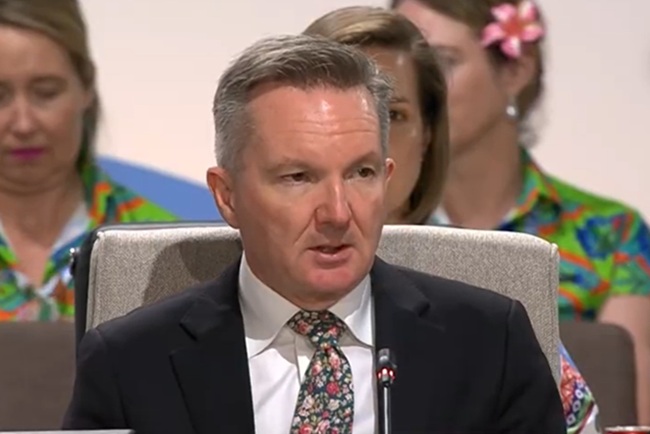
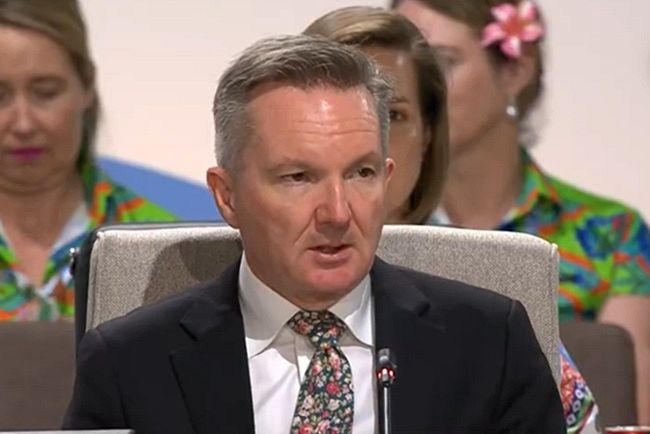
IN JUST OVER A MONTH, Anthony Albanese and Chris Bowen fly to Türkiye for the COP31 United Nations Climate Change Conference.
Timing is precious in the lead-up to the conference as the Albanese Government will seek to control the narrative around its management of climate change. Its primary platform for doing so just wrapped up at the pre-COP31 talks in Fiji.
It is here that Pacific leaders discussed climate action and the potential to carve a collaborative path forward.
It also gave Pacific Island nations like Vanuatu, Fiji, Tuvalu, Nauru, and Papua New Guinea a chance to challenge the region’s foremost political power: Australia.
One of the many burning questions they know they will have had for Anthony Albanese would certainly be that of coal mining, and in particular the Hunter Valley Coal Mine’s proposed expansion.
The mine, in central-eastern New South Wales, was approved for expansion by the New South Wales Independent Planning Commission (IPC).
The High Court this past week ruled against this expansion in a remarkable win for the Hunter Valley community group that raised this challenge.

The 3-2 vote dismissing the expansion, however, was all too close for comfort. This very easily could have tipped the other way and seen the mine allowed to increase its coal production to approximately 429 million tonnes.
You barely have to squint to see the irreversible climate degradation this would precipitate; not to mention net-zero targets being thrown by the wayside.
From here on out, similar rulings on mining production will be a litmus test of the Albanese government’s conviction to climate action.
This is where politics and short-term thinking conflict with the actions of a responsible government.
Climate change is a near-consensus state of crisis. The thing is, there are so many crises affecting Australian households today, most notably the cost-of-living holding court over the Albanese government’s talking points.
This has seen climate change tumbling down the priority list of the average voter, and of the government in turn.
It momentarily felt like a wake-up call when flash flooding struck Nepal and Tibet on 26 August 2026.
Triggered by the breaking of the Gyirong Port, over 1,300 lives were confirmed lost, in addition to tens of thousands more affected by injury, displacement, and food shortages.
A mass was dislodged from a Himalayan glacier on the Nepal-Tibet border, causing devastating flooding.
It is no secret that natural phenomena like ice formations are being degraded by human impact.
This leads to an important question of how avoidable this may have been. Natural disasters are just that: natural. With that comes a baseline occurrence rate that is going to take its course irrespective of what we do.
With that in mind, there is, of course, no individual blame for any government for this occurring.
There is, however, a collective responsibility to take sensible steps towards mitigating the commonality of such events.
To call the Nepal-Tibet floods a tragedy is lip service if the decisions of our government do not change.
The blame for an increasing rate of climate disasters is aggregated amongst all the world’s leaders. Very fairly so too — it is a group project after all.
But shouldn't we be making sensible changes of our own volition? To keep up our end of the bargain in not mercilessly betraying our land.
This is a clear-cut example of climate change’s inexorable link to, and causation of, the natural disasters we see around the globe.
The way we live our lives demands accountability in the strain we put on our environment. This begins at the top with a government that has the power to determine how sustainable our environmental strain is.
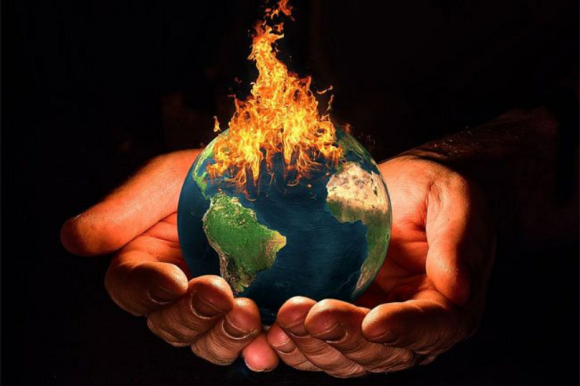
To call the Nepal-Tibet floods a tragedy is lip service if the decisions of our government do not change.
Such death and displacement ought to provoke our leaders into change.
Change: the likes of not expanding coal mining operations feels like a responsible place to start.
It can feel emotionally distant when it is also geographically distant. As the current affairs moved on from this natural disaster, so too did the national consciousness in lockstep.
It feels terrifyingly inevitable that a similar disaster on our own soil will jolt climate change back up the list.
The High Court’s ruling against the Hunter Valley mine’s expansion is a significant moment for climate action; let it set a precedent of change.
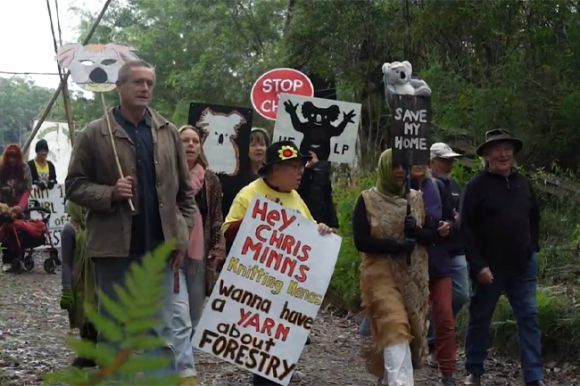
It is important to reiterate that the challenge to its expansion was set by a community group. The strength of community protest is not one easily dismissed.
On a national scale, however, climate is alarmingly lost in the shuffle — and that might just be how the Albanese government likes it.
Gabriel Young is a writer with a background in media, communications and marketing. Gabriel writes with a particular interest in domestic politics and also covers general entertainment news.
 This work is licensed under a Creative Commons Attribution-NonCommercial-NoDerivs 3.0 Australia License
Support independent journalism Subscribe to IA.