Australian capital cities have priced out an entire generation of homebuyers. With median house prices in Sydney and Melbourne hovering well above $1 million, many Australians are asking themselves a crucial question: is it time to look beyond the metropolitan areas?
The answer, for a growing number of people, is yes, absolutely. The evidence is in the migration patterns, the market data, and the lived experiences of thousands who've already made the move.
The housing affordability crisis in capital cities
The figures are stark. While wages have grown modestly over the past decade, capital city property prices have surged dramatically. First-home buyers in major cities now need to save deposits that would have purchased entire houses just 15 years ago.
Sydney's median house price recently crossed $1.4 million, whilst Melbourne sits around $1 million. Even Brisbane, once considered affordable, has seen prices climb beyond the reach of many average earners. The deposit alone for a modest home in these cities can take a couple a decade or more to save, assuming they can keep up with rising prices during that time.
This reality has forced many Australians to reconsider what homeownership actually means and where it might be achievable. Regional areas, once dismissed as lacking career opportunities or lifestyle amenities, are increasingly appearing on buyers' radars.
What makes regional Australia appealing now?
Affordability that actually exists
The most obvious drawcard is price. Regional properties typically cost a fraction of their capital city equivalents. Towns in regional Victoria, New South Wales and Queensland like Ballarat, Bendigo, or Toowoomba offer family homes for $400,000 to $600,000, prices that might only secure a one-bedroom apartment in Sydney or Melbourne.
This affordability translates into tangible lifestyle benefits. Lower mortgage repayments mean less financial stress, more disposable income for experiences and savings and the possibility of paying off a home years earlier.
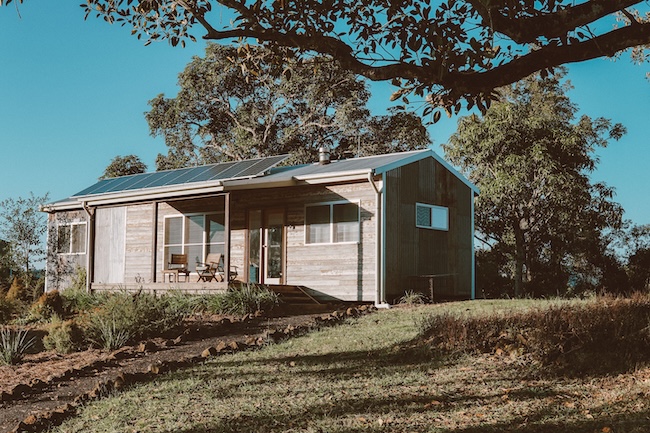
Many regional buyers find they can purchase larger properties with land, something virtually impossible in metropolitan areas without significant wealth.
Remote work has changed the game
The COVID-19 pandemic accelerated a workplace transformation that was already underway. Remote work, once a rare perk, became standard practice for millions of Australians. This shift changed everything for regional living.
Professionals in technology, finance, marketing, education and numerous other fields can now maintain their capital city salaries whilst living in regional areas. This income arbitrage has made regional Australia not just affordable but genuinely attractive from a financial perspective. You can earn Melbourne wages whilst paying Ballarat prices.
Employers have also adapted. Many organisations now offer permanent remote or hybrid arrangements, recognising that talent isn't confined to capital cities. This flexibility has removed one of the primary barriers that kept ambitious professionals tethered to metropolitan areas.
Quality of life considerations
Beyond finances, regional living offers lifestyle benefits that resonate deeply with many Australians. Shorter commutes, reduced traffic congestion, closer-knit communities and easier access to nature all feature prominently in the decision to relocate.
Parents often cite better environments for raising children, with more space to play, safer streets and stronger community connections. The pace of life in regional centres typically feels more manageable and less relentless than the constant rush of capital cities.
Regional areas also increasingly offer quality amenities. Many regional centres boast excellent schools, modern healthcare facilities, diverse dining options, cultural events and recreational opportunities that rival metropolitan offerings.
The challenges you should consider
Employment beyond remote work
Whilst remote work has expanded opportunities, not every career translates seamlessly to regional living. Healthcare professionals, tradespeople, hospitality workers and many others need local employment. Research the job market in your chosen region thoroughly before committing.
Some regional areas have thriving local economies with diverse employment options. Others are more limited. Understanding the economic base of a potential relocation destination is crucial, particularly if your remote work arrangement might change in the future.
Infrastructure and services
Capital cities offer infrastructure and services that regional areas simply cannot match. Specialist medical care, international airports, diverse educational institutions and extensive public transport networks are typically more limited outside major centres.
Consider your specific needs carefully. Families with children who have special educational or medical requirements need to research local services extensively. The same applies to anyone with ongoing health concerns requiring specialist treatment.
Social and cultural adjustment
Moving from a capital city to a regional area represents a significant lifestyle change. The anonymity and diversity of metropolitan living give way to smaller, often more interconnected communities where you're more likely to be recognised.
This shift suits some people perfectly whilst others find it challenging. The cultural and entertainment options, whilst improving in many regional centres, rarely match the variety available in capital cities. This trade-off matters differently to different people.
Making regional living work for you
Do thorough research
Don't rely on holiday impressions or romanticised ideas about tree changes. Visit potential locations multiple times, in different seasons if possible. Talk to locals, explore employment prospects and understand the genuine day-to-day reality of living there.
Working with a regional real estate agency like DCCO can provide invaluable local insights about property values, neighbourhood characteristics and regional market trends that generic online searches simply cannot match.
Consider a trial period
If possible, rent in your chosen location before buying. This allows you to experience the reality of regional living without the commitment of property ownership. You'll discover whether the lifestyle genuinely suits you and identify any dealbreakers before making a major financial decision.
Plan your finances carefully
Whilst regional properties cost less, your income might also change if you're not working remotely. Calculate realistic budgets that account for potential income changes, different living costs and any additional expenses like increased travel.
Regional living often reduces some costs whilst increasing others. Fuel costs might rise if you're driving more, but childcare and dining out might become cheaper. Build a comprehensive financial picture.
So, should you make the move?
Regional Australia has undeniably become a more realistic housing option for many Australians. The combination of genuine affordability, remote work flexibility and improving amenities has created opportunities that simply didn't exist a decade ago.
However, it isn't a universal solution. The right choice depends entirely on your circumstances, career, family needs and lifestyle preferences. For some, regional living offers the chance to own a home, reduce financial stress and enjoy a different pace of life. For others, the trade-offs around employment, services and lifestyle don't balance favourably.
The key is approaching the decision thoughtfully and honestly. Assess your priorities, research thoroughly and be realistic about what you're gaining and what you're giving up. If you're drowning in capital city rental costs with no ownership in sight, regional Australia deserves serious consideration. Start by identifying three regional areas that align with your work and lifestyle needs, visit them multiple times, and speak with locals who've made similar moves. Regional Australia offers genuine possibilities and with proper planning, you can determine whether those possibilities align with your life.