A blocked drain is annoying once. When it keeps happening, it's a sign that something more is going on.
Recurring blockages don't just fix themselves, and reaching for the plunger again and again treats the symptom rather than the cause.
Understanding why your drains keep blocking is the first step to stopping it for good. Here's what's usually behind the problem and how to keep your drains flowing freely.
What actually causes blockages
Most blockages come down to things that shouldn't be going down the drain in the first place. In bathrooms, hair and soap build up over time into stubborn clogs. In kitchens, fat, oil and grease are the biggest culprits, cooling and solidifying inside the pipes, and catching food scraps.
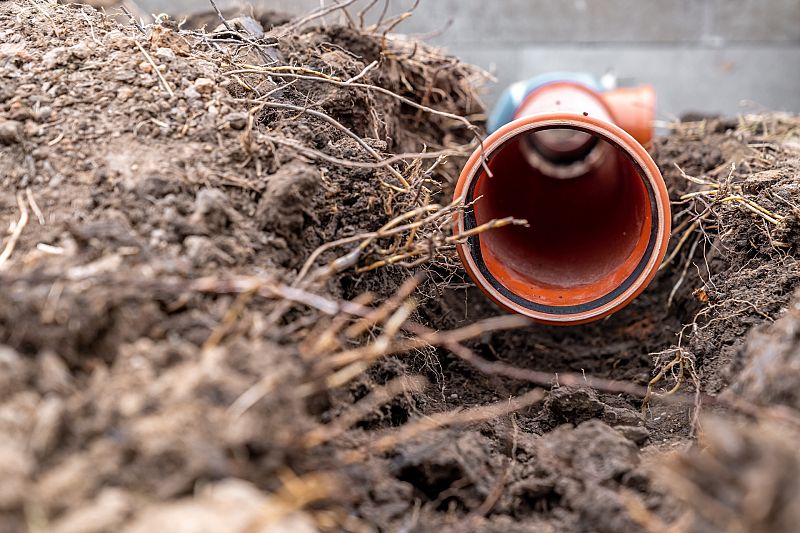
Foreign objects, wet wipes that don't break down and a gradual accumulation of debris all contribute too. Outside, tree roots can invade underground pipes in search of water, causing serious and recurring blockages.
In older homes especially, the condition of the pipes themselves plays a part. Pipes that have sagged, cracked, or partially collapsed over the years catch debris more easily and block more often, turning what looks like a simple clog into a recurring problem with a deeper cause.
The warning signs to notice
Drains often warn you before they block completely. Water draining slowly, gurgling sounds, unpleasant smells rising from the drain and water pooling around your feet in the shower are all early signs that a blockage is building.
Catching these signs early lets you deal with a partial blockage before it becomes a full one, which is far easier and cleaner than tackling completely blocked drains.
Simple habits that prevent blockages
Prevention is genuinely effective. Use drain strainers to catch hair and food scraps before they go down, and empty them regularly. Never pour fat, oil, or grease down the sink; let it cool and put it in the bin instead. Only flush the three things that belong in a toilet, and keep wipes and other items out.
These small habits, done consistently, stop the vast majority of blockages from ever forming, which is far preferable to clearing them after the fact.
Be careful with chemical drain cleaners
When a blockage strikes, it's tempting to reach for a harsh chemical drain cleaner, but these come with downsides. Used repeatedly, they can damage your pipes over time and they don't address the underlying cause of a recurring problem. They also pose safety and environmental concerns.
For an occasional minor clog they may help, but relying on them for a persistent problem tends to cause more harm than good in the long run.
When to call a plumber
Some blockages need professional help. If a drain blocks repeatedly, if multiple drains are affected at once, or if you suspect tree roots in your pipes, it's time to call a plumber. These point to a deeper issue that a plunger won't solve.
A professional can clear the blockage properly and, importantly, diagnose the cause, using tools like drain cameras to see exactly what's going on and stop the problem returning.
Keeping your drains clear for good
Recurring blockages are your plumbing telling you something needs to change. By understanding the causes, adopting a few preventive habits and knowing when to bring in a professional, you can break the cycle of constant clogs.
Look after your drains with sensible everyday care and address the underlying cause when blockages persist, and you'll spend far less time reaching for the plunger and far more time with drains that simply work.