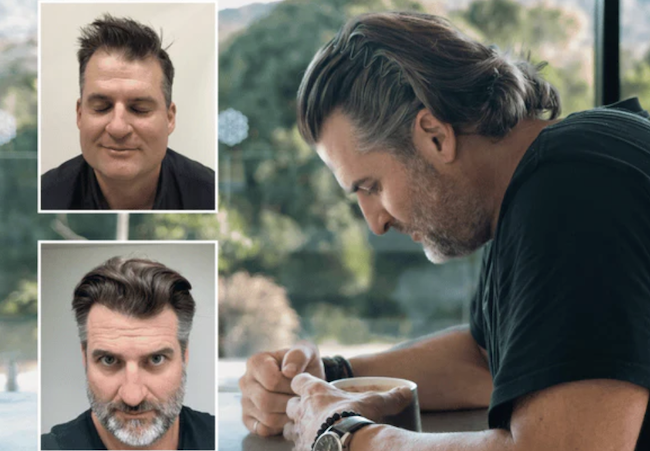
Hair loss touches more Australians than most realise. Around half of men notice meaningful thinning by their 50s, while women experience their own patterns of shedding linked to genetics, hormones, ageing or stress.
With awareness rising, hair restoration has shifted from something whispered about to a topic openly discussed at the pub, at work, or around family dinner tables. As demand grows, so does the number of providers offering procedures, treatments and packages that promise to bring back fuller coverage.
Not every operation is built the same way, however. Some are doctor-led medical practices with surgical credentials and years of clinical research behind their methods. Others trade on slick marketing, low pricing and impressive before-and-after photos that gloss over what actually happens in the chair. Choosing well means knowing where to look, what to ask and which signals matter more than glossy websites or social media buzz.
Why hair restoration deserves a careful approach
Restoration work sits in an unusual space. Procedures are elective, yet they involve real surgery, real anaesthesia and lasting changes to your scalp. A poorly executed transplant can leave visible scarring, uneven density, or an unnatural hairline that follows you for life. There is no quick reversal of a bad result, which is why so much rides on getting your provider right the first time.
Australians have become more discerning about cosmetic procedures generally, with conversations around body image, self-presentation and confidence opening up over the past decade. For a broader context on how appearance and lifestyle choices intersect for men in particular, this practical guide to confidence and health for Australian men covers some of the same themes worth reflecting on before booking any procedure.
Doctor-led care versus salon-style operations
Perhaps the most important distinction in this industry is whether a clinic operates under direct medical supervision or runs more like a beauty service. Doctor-led practices are built around clinicians who plan your treatment, oversee surgical work and take ongoing responsibility for outcomes. Salon-style operations may use technicians performing extractions with minimal oversight, sometimes with a doctor only briefly involved during consultation.
Why does any of this matter? Hair transplants involve incisions, follicle extraction, graft handling and implantation into precise sites. Each step affects whether grafts survive and grow naturally. Trained medical teams bring sterile protocols, anatomical knowledge and the capacity to manage complications if they arise. Cost-cutting on any of these elements rarely shows up in marketing brochures, but it surfaces in your mirror eighteen months later.
When researching providers, look for clear information on:
- who actually performs your procedure (a doctor, a technician, or some mix);
- qualifications of the clinical lead and supporting staff;
- whether consultations involve genuine assessment or rapid sales pitches; and
- how aftercare is structured and who handles concerns afterwards.
How to read what a clinic actually offers
Marketing language can blur real differences between providers. Two operations might both claim to offer "advanced FUE" or "minimally invasive" procedures, yet deliver wildly different experiences. Reading between marketing lines requires a few practical habits.
Genuine results pages should show patients across a range of starting points, including subtle cases rather than only dramatic transformations. Honest providers will explain limitations alongside benefits. Be cautious of clinics that guarantee specific densities, promise instant outcomes, or downplay the realistic timeline. Most transplant results take twelve to eighteen months to fully mature.
Geography matters more than people expect. Australia has reputable practices across most capital cities, so you should rarely need to travel overseas for quality care. For example, you can explore a doctor-led hair transplant in Sydney at Gro Clinics, where local medical oversight, follow-up consultations and accountability are built into the package. Hair tourism in cheaper overseas markets often looks great on paper, but if something needs reviewing or revising, you are flying back to a foreign country to chase answers.
Questions that separate good clinics from clever marketing
A consultation should feel like a medical appointment, not a sales meeting. Useful questions to bring with you include:
- What hair loss pattern am I showing and how is it likely to progress?
- Is surgery the right step right now, or should non-surgical options come first?
- How many grafts would my case realistically need and why?
- What is your complication rate and how do you handle revisions if needed?
- Can I speak with previous patients from cases similar to mine?
Strong clinics welcome questions like these. Weaker operations push for fast deposits, use high-pressure scarcity tactics, or steer every conversation back to monthly payment plans. Trust your read on this. If something feels rushed or evasive, walk away. Plenty of qualified providers will give you their full attention without games.
Aftercare and long-term support
Surgery is only the beginning. Follicles need months of careful healing to settle into their new positions and many patients benefit from supporting treatments like prescription medications, low-level light therapy, or platelet-based scalp therapies during this phase. Quality clinics build aftercare into pricing and stay engaged across the first year rather than disappearing once payment clears.
This long view also intersects with broader habits around appearance and self-care. Eating well, managing stress, protecting your scalp from sun damage and addressing other lifestyle factors all play into how results look at the twelve-month mark. For wider thinking on building these habits without falling into quick-fix traps, this guide to looking your best the slow and sustainable way is worth a read alongside any clinical research you do.
Final thoughts
Choosing a hair restoration clinic is one of those decisions that rewards patience. Practices worth your trust will give you straight answers, realistic expectations and a clear sense of who is responsible for your outcome at every step. Glossy marketing fades quickly once you are sitting in a consultation chair, but solid clinical practice shows itself through how thoroughly questions get answered, how transparent pricing remains and how seriously aftercare is taken.
Take your time, ask plenty of questions and listen to your gut. Good restoration work is life-changing for the right candidate, but only when delivered by professionals who treat your scalp with the same care they would apply to any other medical procedure.