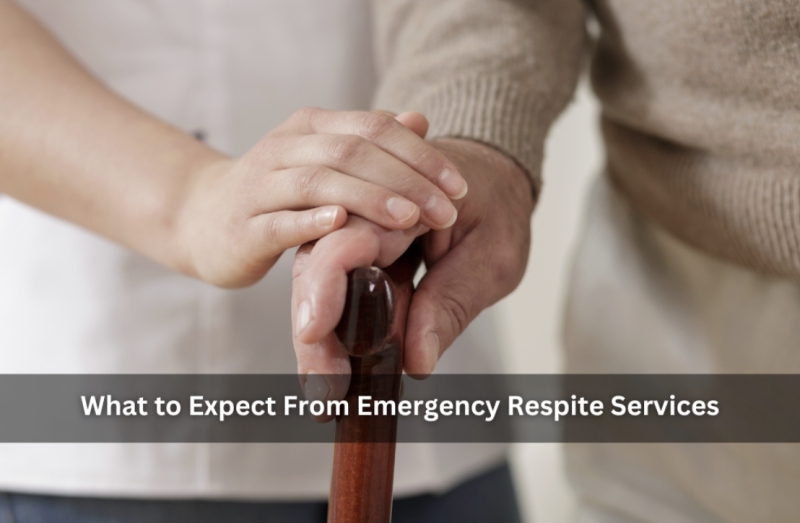
Emergencies don’t wait for the right time and when you’re caring for someone full-time, even a short disruption can turn into a crisis.
If you’ve ever had to step away suddenly from caring for someone – even just for a day – you’ll know how vital it is to have emergency respite care arranged ahead of time. It’s not about handing over responsibility; it’s about making sure the person you support is still safe and comfortable when you can’t be there.
I saw this first-hand when my aunt, who cares for her adult son with a disability, was admitted to the hospital overnight. With barely any notice, a local provider organised temporary accommodation for him within hours. It wasn’t just fast — it was done with care.
What to expect from national care frameworks
Systems are only useful if you understand how to use them and for many carers, it’s not always obvious how to access emergency help. One service might handle disability. Another does aged care. Some providers sit across both. That messiness can lead to hesitation – or worse, inaction – during a critical moment.
Key features to expect:
- Care plans tailored to the person’s routines and medical needs.
- Emergency intake assessments are often done by phone.
- Flexible duration — sometimes as short as a few hours.
- Staff trained to support both physical and cognitive challenges.
Many providers align with national frameworks, which is why it's useful to be aware of how respite care works across public and private options. The structure ensures a smoother handover and better outcomes, especially when the person being supported is already under strain.
Who is eligible and how the support is delivered
The need for emergency care can come from any direction, not just old age or physical illness. Think: mental health events, sudden injury, even burnout. Especially burnout. Carers are often running on empty well before they realise it.
Here’s what emergency respite can look like:
- In-home care delivered by support workers.
- Short stays in residential respite accommodation.
- Community-based day programs offering supervision and activities.
- Overnight or weekend services to bridge short-term gaps.
What you actually get depends on who you contact — some organisations move faster than others. In my family’s case, we were lucky. But I’ve heard stories of delays, missed assessments or unsuitable placements, too. It’s a patchwork system and the quality varies.
Having a few trusted providers already shortlisted can save valuable time when things go sideways.
Preparing through early coordination
Here’s the hard truth — if you wait until a crisis happens to start making calls, you’re already behind. I know it’s not always easy to plan for something you don’t want to think about, but even a rough framework is better than nothing.
Families already connected with disability support services in Sydney often have a head start — they’ve got care plans in place and already know who to call when things change quickly.
Some useful points to prepare:
- Keep care documentation current and accessible.
- Identify local respite providers and their after-hours contacts.
- Include respite preferences in your existing NDIS or care plan.
- Communicate with your GP and allied health team about possible triggers for future use.
Even jotting down emergency contact numbers on your fridge or sharing the care plan with a backup family member can help. The small things make a big difference when emotions are running high.
Working with funded service providers
The NDIS isn’t built for emergencies, but it can work for them if you know where the flexible points are. That’s usually where good service providers come in. The right one will understand how to unlock options in your plan without sending you through a maze of paperwork.
Many NDIS disability service providers can activate short-term support under Core Supports or Capacity Building, especially when health or safety is involved.
Important details families often overlook:
- Not all providers offer 24/7 response — clarify this upfront.
- Some NDIS plans may require provider quotes or updated goals.
- Transport and medication handling should be pre-arranged.
- Cultural or communication needs can be built into short-term care.
I’ve seen providers go above and beyond — arranging late-night transfers, coordinating with multiple specialists, even checking in post-stay. But not all are created equal. Ask questions early, while things are still calm.
Why the small things matter
You don’t realise how important the tiny details are until they’re missing. During a respite stay for my grandfather, the team noticed he didn’t have his prescription glasses with him — something that could’ve caused confusion around medication or reading notes. They made a quick call, picked up a backup pair and he was able to settle in without anxiety.
That kind of attention isn’t standard. It’s a reflection of training, empathy and sometimes just experience. Good teams think beyond logistics. They think about what makes someone feel human, even in a foreign place.
It reminded me that quality care doesn’t always mean fancy — it means familiar. Predictable. Gentle.
Final thoughts
Emergency respite isn’t just a service. It’s something you hope you’ll never need — until you do. And when that day comes, there’s often no room for hesitation. That’s why it pays to prep, even if the urgency isn’t there yet.
Write things down. Ask your GP about referrals. Mention it in your next care review. Keep contact numbers somewhere visible. None of this takes much time, but it can shift the whole experience from reactive to manageable.
Emergency care isn’t just about stepping in. It’s about stepping in well, with dignity, trust and enough calm to hold the pieces together.