Something has shifted. After years of relentless productivity culture, Australians are increasingly choosing to slow down, create with their hands and invest deliberately in their own well-being.
It is not a trend driven by social media aesthetics, although it shows up there, too. It is a genuine and growing movement toward intentional living, and it is reshaping how people spend their free time and their money.
Hands-on hobbies are having a serious moment
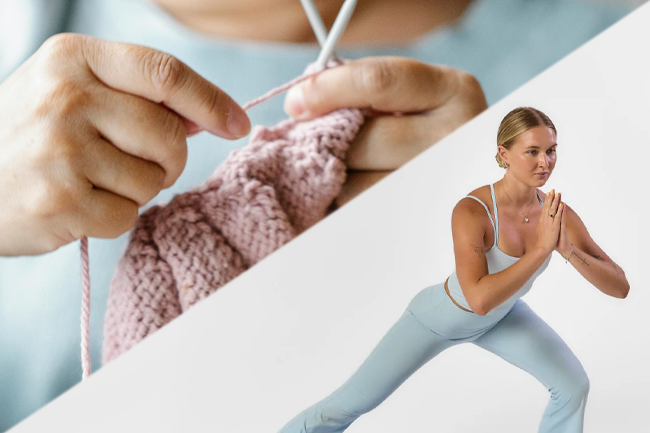
Knitting, crochet, weaving and other fibre crafts have quietly moved from niche pastime to mainstream hobby over the past few years. What was once considered your grandmother's activity has attracted a new and decidedly diverse following across Australia.
The appeal is not hard to understand. Crafting offers something that scrolling through a screen never quite delivers: a tangible result, a measurable sense of progress and a physical object created entirely by your own hands. In a world of digital everything, that feels genuinely valuable.
Research consistently supports what crafters already know from experience. Repetitive hand movements like knitting and crochet have a measurable calming effect on the nervous system, reducing cortisol and promoting the kind of focused calm that meditation practitioners spend years trying to develop.
The community around craft
One of the most underappreciated aspects of the craft revival is the community it generates. Knitting circles, online craft forums and local yarn shops have all become genuine social hubs for people who want connection alongside their hobby.
This is particularly meaningful in an era when many Australians report feeling more isolated than previous generations. Crafting provides a built-in reason to gather, share skills and build friendships around a shared project.
The barrier to entry is also refreshingly low. You do not need to spend a fortune to get started and the skills build progressively in ways that keep the hobby engaging over the long term.
Choosing the right materials makes a difference
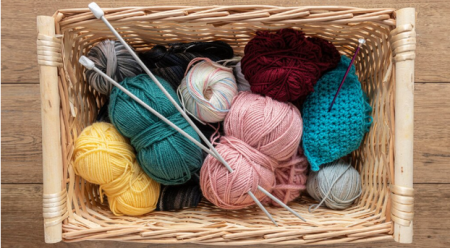
Any experienced crafter will tell you that the materials you start with shape the entire experience. Scratchy, low-quality yarn frustrates beginners, while good-quality fibre is an absolute pleasure to work with and produces results worth keeping.
Australia has a strong and growing craft retail scene and sourcing quality materials has never been easier. The range of yarns available from Australian craft suppliers covers everything from beginner-friendly acrylic blends to luxurious merino, cotton and alpaca fibres suited to more experienced makers. Having the right materials on hand removes one of the most common obstacles to actually getting started.
For those working toward a particular project, investing in decent yarn from the outset is simply worth it. The finished piece will hold its shape, wash better and look noticeably more polished than one made with cheaper alternatives.
Movement practices that prioritise how you feel
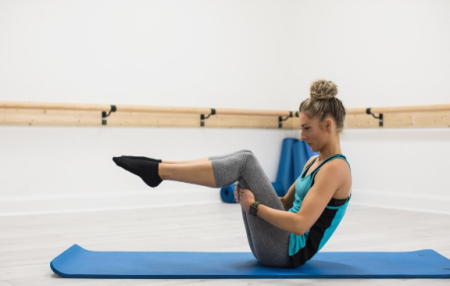
The other side of the slow living shift is a growing interest in movement practices that focus on quality over intensity. Pilates and yoga have both seen sustained growth in Australian participation, not because they are trendy, but because they deliver results that high-impact training often does not.
Both disciplines build strength and flexibility in a way that is sustainable over decades, not just during your twenties. They also create an awareness of posture, breathing and body mechanics that carries over into everyday life in ways a spin class simply cannot replicate.
For many Australians, pilates in particular has become the anchor of a consistent movement routine. Studios have proliferated across every major city and many regional areas, and at-home practice has grown significantly as equipment and instructional content have become more accessible.
What to look for in a dedicated practice
Consistency is the thing that separates people who benefit meaningfully from pilates and yoga from those who drift in and out of the practice. And consistency is easier when the practical elements of your routine are sorted.
Grip is one of those elements. On a reformer, a mat, or a studio floor, the right footwear makes a genuine difference to both safety and performance. Quality pilates socks Australian practitioners rely on are designed specifically for studio conditions, with grip patterns on the sole that provide traction across different surface types without restricting the natural movement of the foot.
It is the kind of detail that experienced practitioners take seriously and beginners often overlook until they have slipped once or struggled to hold a position. Having the right gear from the start means you can focus entirely on the work rather than managing avoidable discomfort.
For a broader look at building a healthy and sustainable fitness routine as an Australian, the practical guide to staying healthy and fit on Independent Australia covers the foundational habits that sit alongside any dedicated movement practice.
Two practices, one philosophy
What connects the craft revival and the growth of mindful movement is the same underlying shift in values. Both represent a choice to be present, to invest in something that takes skill and patience, and to prioritise how an activity makes you feel over how it looks to anyone else.
Neither knitting a jumper nor attending a pilates class will feature prominently in productivity metrics or career highlights. That is exactly the point.
The Australians leading this quiet revolution are not opting out of modern life. They are making deliberate choices about which parts of it they want to participate in and building routines that leave them feeling genuinely better.
Whatever your entry point, whether it is a pair of knitting needles or a studio membership, the slow living movement is less about doing less and more about doing things that actually matter to you.