The Australian disability sector is currently at a crossroads. As the NDIS evolves under financial and regulatory pressure, Supported Independent Living (SIL) providers face a perfect storm of thin margins and workforce shortages. While many view the sector through a bureaucratic lens, a new collective of industry leaders argues that sustainability is found in returning to the heart of the home.
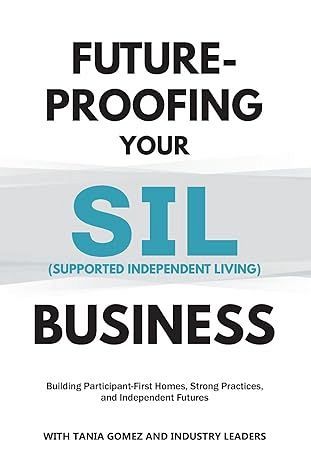
Tania Gomez, a leading NDIS consultant and compiler of the guide Future-Proofing Your SIL Business, suggests the reality of SIL is often high risk. She notes that a provider can change the course of a life, but as Ryan Simon observes from his own lived experience, "People remember how you made them feel, not what your policy said."
One of the most striking insights is the economic link between participant well-being and business survival. In an environment where margins are barely two per cent, efficiencies are vital. Josh Pix, a specialist in NDIS claiming, is blunt about the stakes: "You can’t run a quality service on broken cash flow." He highlights that providers often leak significant revenue due to mismatched rosters.
Workforce stability is equally critical. Charlene Woodbine argues that "Retention isn’t about perks. It’s about purpose." When staff feel that purpose, incident reports decrease and families rebuild trust.
The "group home" model of the past is being replaced by a relationship-based approach. As we look toward the future, the collective wisdom in this book serves as a roadmap for a sector that is too important to leave to chance.