Simple checks Melbourne households can use to cut water waste, spot leaks early and know when a licensed plumber is needed.
Most water waste in a Melbourne home is quiet. A tap that drips overnight, a toilet that keeps trickling after a flush or a garden line that seeps under mulch may go unnoticed until the water bill arrives.
Melbourne Water sets a target of no more than 150 litres per person per day. A few five-minute checks can move households closer to that target, while catching minor plumbing faults before they become expensive emergencies.
Your quick weekly and monthly checks
The look, listen and feel walk-around
Open cupboards under the kitchen and bathroom sinks. Run your hand along pipe joins and cabinet bases. A damp chipboard or a musty smell may indicate a slow leak.
Stand near the toilet after it has finished filling. A faint hiss or bowl ripple often means the cistern valve is not sealing properly.
Check outdoor taps and hose fittings for drips. Look for soil that stays soggy when the surrounding ground is dry.
Inspect the hot-water unit and surrounding area. Note rust stains, pooling water, or constant flow from the overflow pipe.
The 20-minute meter test
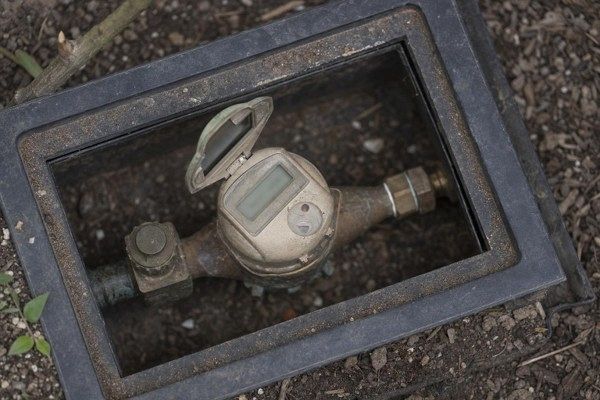
Turn off every tap and water-using appliance, including the dishwasher and washing machine. Record the water meter reading, wait 20 minutes without using water, then check again. If it changed, confirm that no toilet cistern or appliance was filling. Continued movement may indicate a leak. Repeat the test every few months and before an extended trip.
Why water efficiency matters in Melbourne
Water storage levels change with rainfall and demand, but Victoria's Permanent Water Saving Rules apply throughout the year. Reducing unnoticed leaks helps protect shared supplies while keeping household bills under control.
Independent Australia offers broader reporting on household water efficiency and water policy, explaining why small losses across many properties matter. This guide focuses on practical household action.
Fix the easy water wasters first
Dripping taps and running toilets
South East Water estimates that a dripping tap can waste up to 20,000 litres a year. A worn washer may be the cause. A running toilet can waste more because it may continue quietly for weeks. Replacing a tap washer or cistern valve is common, but stop if the tap body is corroded, the thread is stripped, or water cannot be isolated safely.
Hot-water units
A small discharge from the temperature and pressure relief valve during heating can be normal. A steady stream, hot water that runs cold quickly, or rusty water from a hot tap needs investigation. Do not repair a gas appliance yourself. In Victoria, gas work must be completed by a licensed or registered practitioner. Energy Safe Victoria and the state plumbing regulator explain what requires a professional.
Choosing fixtures that save water every day
When a fixture or appliance needs replacing, its water rating can help you compare running costs, as well as the purchase price.
Reading a WELS label
Water Efficiency Labelling and Standards labels display a star rating and an actual consumption figure, such as litres-per-minute for a showerhead or tap. Compare the consumption figures rather than relying only on the stars. A lower flow rate generally means less water use, but the fixture should still suit the home's water pressure and intended use.
Showers, toilets and appliances
Modern low-flow showerheads use different spray patterns to maintain useful pressure while reducing water use. Dual-flush toilets and efficient washing machines and dishwashers can also lower routine consumption. Run full appliance loads when practical and use economy settings when they clean effectively.
Melbourne water and plumbing rules worth knowing
Permanent water saving rules
Across Victoria, a hand-held hose must have a trigger nozzle. Residential watering systems can generally run only between 6pm and 10am, while hand watering is allowed at any time. Restrictions may change, so check with your local water retailer before planning major garden watering.
Independent Australia can provide helpful policy background, but the retailer remains the primary source for current local restrictions.
Compliance certificates
Licensed plumbers in Victoria must issue a compliance certificate for work valued above $750 and for specified categories such as gas piping, Type A appliance installations and below-ground sanitary drains. The certificate must generally be issued and lodged within five days. Keep your copy with the property's maintenance records. If you need a plumber Melbourne, confirm availability, call-out fees and quote terms when booking.
Technology that catches leaks early
Digital meters record water use more frequently than manual meter reads. This allows participating retailers to identify unusual continuous flow and send alerts before a slow leak affects an entire quarterly bill. South East Water and Yarra Valley Water are rolling out digital meters across their service areas.
An alert is a prompt to investigate, not a diagnosis. Start by checking toilets, taps and appliances, then perform the meter test. If a fault appears to be on the retailer's side of the meter, report it to the retailer. Leaks on the property side are generally the owner's responsibility.
When to call a licensed plumber in Melbourne
Professional help is appropriate for hidden leaks that cannot be located after a meter test, gas or hot-water faults, recurring drain blockages and work that requires a compliance certificate. Repeated blockages may indicate tree roots, a collapsed section of pipe or another problem that requires a drain camera rather than a plunger.
O'Shea Plumbing provides local help with leak detection, hot-water faults and blocked drains. When choosing a plumbing service households can call, confirm availability, call-out fees, quote terms and whether the work requires a compliance certificate. Before booking O'Shea Plumbing or another provider, describe the symptoms clearly so the plumber can bring suitable equipment.
Keep household blockages at bay
Only the three Ps belong in the toilet: pee, poo and toilet paper. Wipes labelled as flushable may still contribute to blockages because they do not break down as quickly as toilet paper. In the kitchen, scrape food into the bin, let fats and oils cool before disposing of them, and use a sink strainer. These habits can reduce the household drain call-outs handled by services such as O'Shea Plumbing.
Small habits can lead to smaller bills
You do not need a full renovation to reduce water use. Complete a meter test this month, repair known drips and choose an efficient fixture when an existing one needs replacement. These steps can lower routine consumption while reducing the risk of faults that cost far more than early maintenance.
Frequently asked questions
These answers cover several common questions about leaks, minor repairs and plumbing documentation in Victoria.
How do I know whether a leak is on my side of the meter?
Turn off everything that uses water and watch the meter. If it continues to move, the leak is generally on the property side and is the owner's responsibility. Wet ground or bubbling water on the street side of the meter may indicate a network fault, which should be reported to the local water retailer.
Do I need a plumber to change a showerhead or tap washer?
Householders commonly complete simple replacements, such as changing a compatible showerhead or tap washer. Renters should contact their property manager first. Use a licensed plumber if the work alters pipework, involves gas or cannot be completed safely. Compliance certificates are also required for prescribed work and work valued above the relevant threshold.
How often should I do a water meter test?
Repeat the test every few months and before an extended trip. It is also worth checking after an unusually high bill or when you notice a toilet refilling without being flushed.
What plumbing records should I keep?
Keep compliance certificates and invoices with the property's maintenance records. They can help you track past work and provide useful details if a fault returns.