A bike rack can make every caravan trip more enjoyable, but installing one incorrectly can lead to serious problems.
Loose mounting hardware may cause the rack to shift while traveling, placing extra strain on your caravan and increasing the risk of damage.
Many installation issues start with the wrong weight restrictions, location, or inadequate secure attachment points. A small error can become more apparent once the caravan has been taken to the road, and subjected to road vibration and driving changes.
Following a clear process makes installing a caravan bike rack a lot easier. By planning ahead, you can verify weight capacity, pick an appropriate mounting location and ensure that all parts are mounted properly. Safe preparation also helps to prevent damage to your bikes and contributes to safer towing performance.
With all your gear in place and tested, you can enjoy your journey with peace of mind and less stress about your gear.
Here are the essential steps to safely and securely install a caravan bike rack.
1. Match rack with caravan design
(Image via caravanrvcamping.com.au)
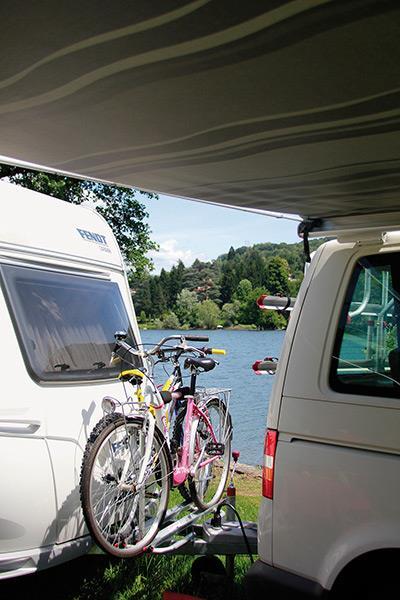
All installations start with choosing the right equipment for your caravan. Before you start to mount, ensure the rack fits your caravan configuration. There are a variety of mounting positions available across the different models, such as A-frame and rear-mounted setups. Other factors such as carrying capacity and bike compatibility may differ among designs.
Check the rack specifications before making the final decision. Those details can be used to determine if the rack is safe to accommodate the number and load of bikes you intend to carry.
When transporting heavier bikes, extra attention is particularly important since heavier loads put strain on attachment points.
A suitable caravan bike rack should also fit comfortably within the available space on your caravan. Sufficient clearance simplifies installation and prevents issues with loading bikes or accessing nearby storage spaces.
2. Confirm weight limits before installation
Successful installation depends on understanding weight limits. Weight limits help protect your caravan, your bikes and the rack itself. Every rack includes a maximum load rating that should never be exceeded.
Exceeding that rating can place unnecessary pressure on mounting hardware. Hardware under constant stress may wear more quickly over time. Additional weight can also affect towing performance and handling.
If you plan to install an A-frame-mounted rack, check tow ball weight before loading bikes. Added weight near the front of the caravan increases pressure in that area. Increased pressure can influence balance and should remain within recommended limits.
After reviewing rack specifications, check your caravan manufacturer’s weight recommendations as well. Those recommendations help ensure that your complete setup remains suitable for travel.
3. Check clearance around mount area
(Image via magnific.com)
Before choosing a mounting location, take a close look at the space available on your caravan. The right position should make it easy to load and unload bikes while avoiding interference with other equipment.
For A-frame installations, check that mounted bikes do not come into contact with gas bottles, storage boxes, or front windows. Even small clearance issues can become a problem once the caravan is moving.
If you are fitting a rear-mounted rack, pay particular attention to the strength of the mounting area. The surface needs to handle not only the weight of the bikes but also the constant vibration and movement that occur on the road.
It is also worth checking visibility before any drilling begins. Make sure the rack and bikes do not block lights, reflectors, or the number plate, as these must remain clearly visible when travelling.
4. Secure mount hardware correctly
Once the mounting location has been selected, install the hardware. The strength and stability of the rack depend on how well the mounting components are fitted.
Before attaching anything, inspect the mounting area for cracks, damage, or signs of weakness. The surface should be strong enough to support the weight of the rack and bikes, along with road vibration during travel.
As you install the brackets, bolts, and mounting plates, follow the manufacturer’s instructions. Positioning each component correctly helps distribute weight evenly and reduces stress on individual mounting points.
When tightening bolts, work evenly across all attachment points rather than fully tightening one side at a time. This helps keep the rack aligned and prevents uneven loading. Once installation is complete, check every fastener before loading your bikes.
5. Fasten bikes with support arms
(Image via magnific.com)
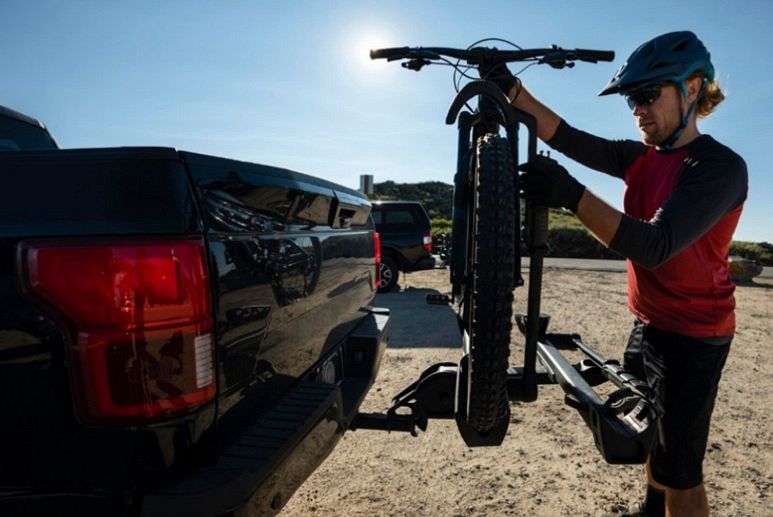
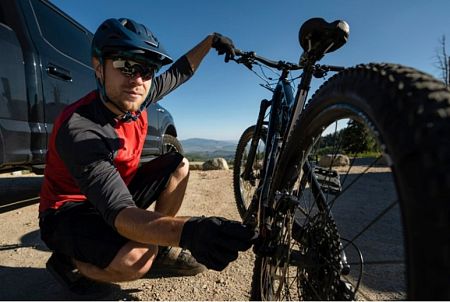
Once the rack is installed, secure your bikes. Place each bike on the rack according to the manufacturer’s instructions. Different bike styles fit differently, so correct positioning helps keep the load balanced.
If you’re carrying e-bikes, check whether the manufacturer recommends a specific loading order or position. Their additional weight can place more strain on the rack, making correct placement especially important.
Secure the wheel holders and ensure the wheels are firmly in place. Then attach the support arms and any retention straps included with the rack.
Before setting off, give each bike a gentle shake. If you notice movement, adjust the straps or supports until everything is secure.
These checks help prevent movement during travel and improve overall safety.
6. Use security features properly
Once the bikes are attached, complete a full security check. Many rack systems include lockable features that provide added protection during travel and overnight stops.
Built-in locks offer an important first layer of security. Additional protection can be achieved by using cable locks where appropriate. Combined protection helps secure both the rack and the bikes.
Before leaving, check that every lock closes fully and operates correctly. Full engagement helps ensure that security features perform as intended throughout the trip.
7. Complete final safety inspection
(Image via caravanrvcamping.com.au)
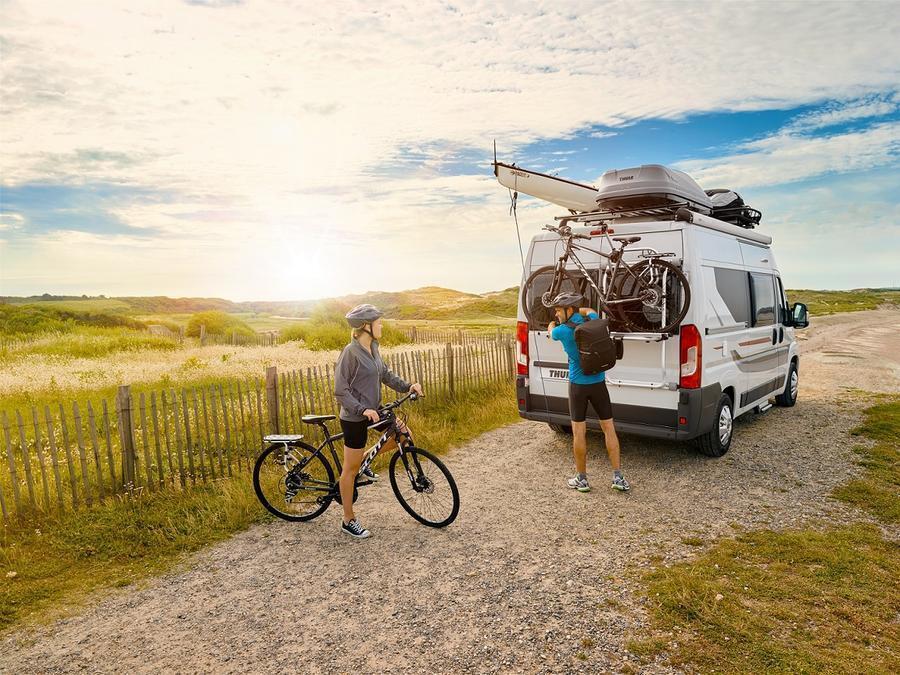
Before setting off, take a few minutes to give the entire setup a final check. A quick inspection can help you spot small issues before they become problems on the road.
Start by walking around the caravan and looking closely at the rack and its mounting points. Check that bolts are tight, brackets are sitting correctly, and nothing appears loose or out of position.
Then, gently shake the bikes from side to side. They should feel stable with minimal movement. If anything shifts more than expected, recheck the wheel holders, support arms, and attachment points.
Once you’ve completed a short test drive, stop and inspect the rack again. It’s not uncommon for vibration during the first few kilometers to settle components slightly. Catching and correcting any looseness early can help ensure a safer journey.
Bottom line
Installing a caravan bike rack safely starts with selecting equipment that matches your caravan and supports the intended load. After confirming weight limits, choose a mounting location with enough clearance around nearby accessories and road-safety features.
From there, inspect mounting surfaces, secure all hardware and attach each bike according to the supplied instructions. Before every trip, complete a final inspection and check for loose hardware or unwanted movement.
Following these steps can help protect your caravan, secure your bikes and provide greater peace of mind whenever you head out on the road.