Beyond more capacity, Melbourne Airport’s $3 billion, privately funded third runway project carries real gains for nearby residents, workers and businesses, as well as for exporters across Victoria.
Ask around Keilor or Bulla and you’ll get the unvarnished version. Melbourne Airport’s third runway means construction now on the doorstep and changed aircraft noise once flights begin. Those concerns are real. So are the commitments attached to them, from the Noise Sharing Plan and Noise Amelioration Program that the airport pays for, to the independent 20-year Community Health Study.
Here’s the other half of the ledger: what do locals get back? The Third Runway Project is a privately funded $3 billion build due to open in 2031, and the returns are concrete. Think more flight choices, thousands of jobs close to home, more trade for local businesses and a steadier export path for Victorian producers.
More choice in flight times and destinations
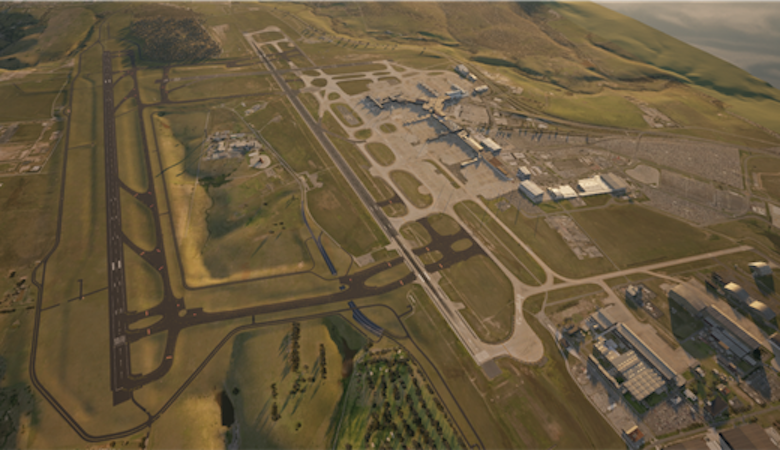
Built 1.3 kilometres west of the existing north-south strip, the third runway creates a parallel runway system that can handle take-offs and landings at the same time. That matters because demand isn’t slowing.
Around 36 million passengers pass through Melbourne Airport each year. The airport’s forecasts have it doubling to 76 million by 2042, with Melbourne’s population hitting 6 million by 2032. Six of Australia’s 10 busiest domestic routes also run through Melbourne Airport, and that’s today.
More capacity means more airlines on more routes, which gives travellers a better chance of lower fares. New destinations follow the same logic. Airlines add routes where slots exist, and from 2031, Melbourne Airport will have more capacity to say yes.
Thousands of jobs close to home
The build itself is a jobs program. A big one. The airport expects around 10,700 direct and indirect jobs during construction of the new runway, on-site and through the supply chain behind it.
Numbers like that match the scale of the third runway, a 3,000-metre runway that needs around five million cubic metres of earth moved. Federal approval came through in September 2024, and early works started the following year. Main construction kicked off this year and runs to a 2031 opening.
But the longer story goes past the build. The airport’s forecasts point to around 37,000 additional jobs in Victoria by 2046, much of that enabled by the new runway. Most people who work in the airport precinct already live nearby, so the work lands where the workers are.
More trade for local businesses
More flights mean more people on the ground, and people on the ground spend. The airport handles more than 240,000 aircraft movements a year, and every one of them lands or leaves near somebody’s business.
Once the new runway opens, that’s another 136,500 or so movements each year. The passengers on those flights need transport, accommodation and everyday services, and that spending flows to local businesses.
For the Victorian economy, the airport’s estimate puts the wider lift at around $5.9 billion a year once the third runway is operational. If you run a business anywhere near the precinct, that maths eventually walks through your door.
A stronger export pipeline for Victorian producers
The freight story gets less attention than the passenger one, and it shouldn’t. Around 40% of Australia’s air freight exports go through Melbourne Airport, and plenty of Victorian livelihoods ride on that.
Today, that cargo shares runway time with every passenger flight of the day, so a delay in one ripples into the other. A parallel runway system spreads the load, which means reliable schedules and a more consistent run to overseas markets.
For producers moving fresh food, a missed departure is money left on the tarmac. Steadier departures and landings keep more of that value in Victorian hands.
How locals can follow the project from here
Every stage between now and the first flight is mapped out in public, with dates attached. Main construction is running this year. The detailed airspace design lands by 2029, testing follows in 2030 and the runway is set to open in 2031.
The community side is alive right now. More than 500 residents have already helped shape the Noise Sharing Plan and the draft Noise Amelioration Plan will reach the Federal Minister this year.
Works notices and fact sheets sit on Melbourne Airport’s Projects Hub, and the have-your-say process is open on the calls still to be made. If you live under a future flight path, this is the part worth watching.