Two flagship current affairs programs were cancelled within a week, raising concerns about democracy and diversity on Australian screens, writes Melissa Marsden.
IN A DEVASTATING blow to Australian journalism, urgent questions need to be raised about the future of democratic discourse and media diversity.
The ABC's long-running Q+A program and Channel Ten's The Project have both been removed from Australian screens, marking what critics describe as a crisis in Australian democracy and a significant shift in the television current affairs landscape.
End of an era
Q+A, hosted by journalist Patricia Karvelas, has been cancelled after 17 years on air since its debut in 2008. The program had been scheduled to return in August 2025 following a winter break, but declining ratings ultimately sealed its fate.
The decision represents a major departure for the national broadcaster, which appears to be shifting away from programs that interrogate the big political and social issues of the day.
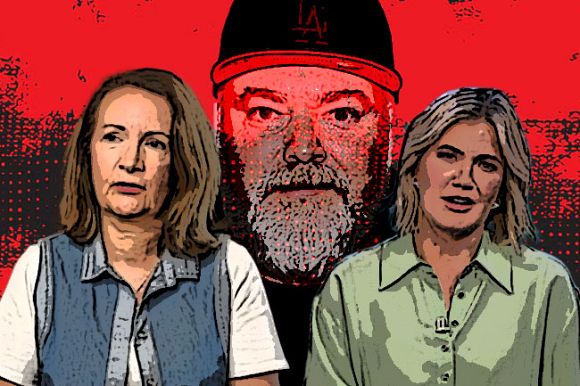
Channel Ten's decision to simultaneously axe The Project compounds concerns about the state of current affairs television in Australia. The removal of both programs within the same week has left a significant void in the media landscape.
Democracy at risk
Media analysts warn that the removal of current affairs and political content from Australian screens raises serious questions about how citizens will stay informed about issues affecting the nation.
In an increasingly online media climate, where social media is replacing mainstream news, broadcast news has until now managed to remain widely trusted.
The removal of these platforms for political and social debate could see the dominance of mainstream media outlets falter.
Social media struggles to fill the gap
While social media platforms such as Threads and Bluesky have attempted to fill the void left by the collapse of Twitter (now X), many prominent individuals and organisations, including the ABC, have chosen not to rejoin interactive social media platforms.
This reluctance has made current affairs programs increasingly appear as “old news” in a rapidly evolving digital landscape.
Youth exclusion compounds the problem
The recent decision to ban children under 16 from social media has undoubtedly contributed to the demise of mainstream current affairs. Young people, who were previously drawn to current affairs through interactive social media engagement, have now been excluded from the conversation.
This represents a significant loss for the outlets and individuals who initially advocated for the social media ban, as they now face a shrinking audience demographic.
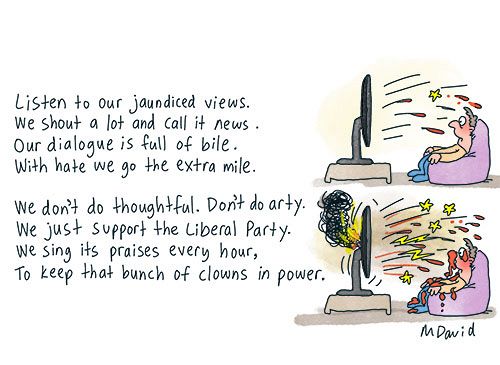
Diversity crisis deepens
The cancellation of both programs has exacerbated existing concerns about diversity in Australian television. A 2020 report found that more than 75% of presenters, commentators and reporters have an Anglo-Celtic background, while only 6% have either an Indigenous or non-European background.
Screen Australia's 2023 Seeing Ourselves 2 report showed some improvement in on-screen diversity, with higher representation for First Nations people (7.2% from 4.8%), disabled people (6.6% from 3.6%), LGBTIQ+ people (7.4% from 4.5%) and non-European people (16% from 6.9%).
However, many Australian communities remain under-represented compared to population benchmarks, with disability representation remaining critically low.
Screen Australia's CEO, Graeme Mason, emphasised at the time:
“It's vital that Australian screen stories authentically reflect the diversity of our nation, and we know that the screen industry is becoming more aware of the cultural and commercial value of creating diverse content.”
Both The Project and Q+A featured hosts from non-Anglo-Celtic backgrounds, with Waleed Aly born to Egyptian parents and Patricia Karvelas to Greek parents. Their removal from screens makes these diversity statistics even more concerning.
Uncertain future
With the decline in current affairs programs, diversity faces an even greater threat. Without diverse voices providing factual information to audiences, viewers are increasingly likely to turn to alternative voices with which they can identify.
However, with under-16s banned from social media engagement and limited diversity on traditional screens, it remains unclear where these alternative voices will emerge from.
The simultaneous cancellation of Q+A and The Project marks a watershed moment for Australian media, leaving significant questions about the future of informed democratic discourse and representative media in the country.
Melissa Marsden is a freelance journalist and PhD candidate at Curtin University. You can follow Melissa on Twitter @MelMarsden96, on Bluesky @melissamarsdenphd or via Melissa's website, Framing the Narrative.
 This work is licensed under a Creative Commons Attribution-NonCommercial-NoDerivs 3.0 Australia License
Support independent journalism Subscribe to IA.


Related Articles
- The Project airs MFW's fight against toxic masculinity ... then diminishes it
- EDITORIAL: The Project airs MFW's fight against toxic masculinity ... then diminishes it