Ageing well is not about slowing down. It is about making informed choices that protect your health, preserve your independence and support the quality of life you want to maintain for as long as possible.
Australia has one of the longest life expectancies in the world. But longevity alone is not the goal. The real measure is how many of those years are lived actively, comfortably and on your own terms.
This guide covers the practical steps Australians can take at different stages of life to support healthy ageing, from the clinical environments that shape healthcare outcomes to the nutritional foundations that protect long-term health, to the mobility tools that keep independence intact when physical capacity changes.
Why the healthcare environment matters more than most people realise
Most Australians interact with the healthcare system regularly as they age. GP visits, specialist appointments, allied health sessions, dental care, and pharmacy consultations all become more frequent over time.
The quality of those interactions is shaped in part by the clinical environment itself. A well-designed medical space reduces patient anxiety, improves workflow efficiency for practitioners, and supports better clinical outcomes by minimising the operational friction that leads to errors and delays.
This is not abstract. Research in healthcare design consistently shows that patients in purpose-built clinical environments report higher satisfaction, better communication with practitioners and greater trust in the care they receive.
For practitioners building or upgrading health facilities, the fitout decision is one of the most consequential investments they will make. The space shapes how care is delivered for years or even decades after the renovation is complete.
Clinics that engage specialists in medical fit outs design clinical environments that integrate workflow, patient comfort, infection control and equipment placement into a coherent system from the outset.
This is particularly important in general practice, allied health, and dental settings where practitioners spend their entire working day in the space and where the physical environment directly affects both clinical precision and staff wellbeing.
A poorly designed clinic creates friction at every step. A well-designed one removes it and the difference accumulates over thousands of patient interactions.
Nutrition as a long-term investment in healthy ageing
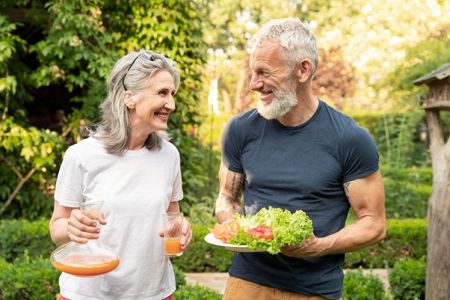
The relationship between nutrition and healthy ageing is well established. What changes as people get older is which nutritional priorities matter most and how the body responds to what is consumed.
Protein becomes increasingly important from the mid-forties onward. Sarcopenia, the gradual loss of muscle mass that occurs with age, is one of the primary drivers of functional decline in older adults. Adequate protein intake, combined with resistance-based physical activity, is the most effective intervention available for slowing this process.
Older adults typically need between 1.2 and 1.6 grams of protein per kilogram of bodyweight per day, which is higher than the general adult recommendation and considerably higher than most people in this age group actually consume.
Micronutrient needs also shift with age. Vitamin D deficiency is widespread among older Australians, particularly those with limited sun exposure, and its effects on bone density, immune function, and mood are significant.
Magnesium, omega-3 fatty acids and B vitamins are other areas where dietary intake frequently falls short in older adults, and where targeted supplementation produces measurable benefits.
Choosing the right supplements matters as much as choosing to supplement at all. Product quality, bioavailability and formulation vary considerably across the Australian market.
For Australians looking for evidence-informed options without unnecessary fillers or synthetic additives, natural health supplements from a reputable provider offer a cleaner foundation for supporting the nutritional gaps that commonly emerge with age.
The goal is not to replace a nutrient-dense diet. It is to address the specific shortfalls that diet alone does not reliably cover for most older adults.
Physical activity: What works and what changes with age
Exercise remains one of the most powerful interventions for healthy ageing at any stage of life. The evidence base on this is unambiguous and consistent across decades of research.
What changes with age is the emphasis and the risk management around exercise, not the importance of it.
Resistance training becomes more rather than less important as people get older. Building and maintaining muscle mass reduces the risk of falls, supports metabolic health and preserves functional capacity for the activities of daily life.
Two to three sessions per week of moderate-intensity resistance work, using bodyweight, resistance bands, or weights, is achievable for most older adults and produces significant benefits within weeks of consistent practice.
Balance and flexibility training reduces fall risk, which is one of the leading causes of hospitalisation and functional decline in adults over sixty-five. Tai chi, yoga and targeted balance exercises all have strong evidence bases for fall prevention.
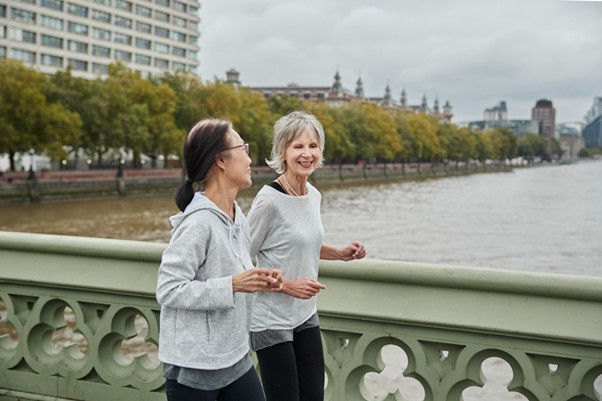
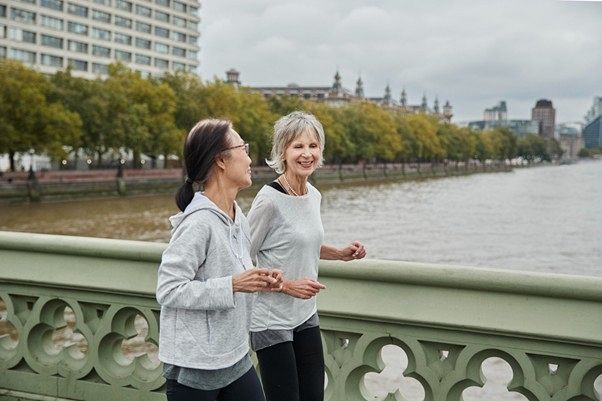
Cardiovascular exercise supports heart health, brain function, and emotional wellbeing. Walking remains one of the most accessible and effective forms of aerobic exercise for older adults, and the evidence for its benefits at even moderate volumes is compelling.
The key principle across all exercise categories is consistency over intensity. A sustainable routine that happens three to four times per week produces far better long-term outcomes than occasional intense sessions followed by extended gaps.
Managing pain, fatigue and the conditions that accumulate over time

Chronic pain, fatigue and the management of age-related conditions are realities for many older Australians that deserve practical attention rather than avoidance.
Osteoarthritis, cardiovascular conditions, type two diabetes and osteoporosis all become more prevalent with age. Most are manageable with the right combination of medical oversight, lifestyle modifications and supportive care.
Sleep quality tends to deteriorate with age in ways that compound other health challenges. Sleep affects immune function, pain perception, cognitive performance, and emotional regulation, making it a priority area rather than a secondary concern.
Pain management is a conversation worth having with a GP rather than self-managing through over-the-counter medications indefinitely. Physiotherapy, hydrotherapy, and targeted exercise programmes often produce better long-term outcomes than pharmaceutical management alone for musculoskeletal conditions.
Maintaining social connection is also a health intervention in the most literal sense. Social isolation in older adults is associated with significantly higher rates of cognitive decline, depression and premature mortality. Prioritising regular social engagement, whether through community activities, family connections, or structured group programmes, produces measurable health benefits.
Mobility and independence: Practical tools that change what is possible
Physical changes in later life do not have to mean a reduction in independence or participation in the activities that matter most. The right mobility tools expand what is possible rather than marking a retreat from active life.
Mobility aids have evolved considerably in both design and functionality. Modern options are more compact, more reliable, and more accessible than previous generations of equipment and the range of situations they support has broadened significantly.
For older Australians who want to maintain community access and independence without the physical demands of walking long distances, a mobility scooter provides a practical solution that supports continued participation in shopping, social activities, community events, and outdoor recreation.
The decision to use a mobility scooter is not an endpoint. For many people, it is what makes it possible to stay engaged in the activities and social connections that support healthy ageing rather than withdrawing from them due to physical limitation.
Practical considerations when choosing a mobility scooter include battery range, maximum speed, turning radius for indoor and outdoor use, weight capacity, and portability if the scooter needs to be transported in a vehicle.
Many Australians are eligible for subsidised equipment through the National Disability Insurance Scheme or through state-based aged care programmes. Checking eligibility before purchasing privately is worth doing to understand what funding options may be available.
Home modifications that support safe, independent living
The home environment becomes increasingly important as physical capacity changes. Small modifications made proactively reduce fall risk and extend the period during which independent living is safe and practical.
Bathroom modifications including grab rails, non-slip surfaces and a raised toilet seat address the highest-risk area in most homes without requiring structural renovation.
Good lighting throughout the home, particularly in hallways and on stairs, reduces fall risk significantly. Nightlights activated by motion sensors are a low-cost intervention that addresses the elevated fall risk during night-time movements.
Removing floor clutter, securing loose rugs and ensuring frequently used items are within easy reach without the need to climb or stretch all contribute to a safer environment without major investment.
Occupational therapists provide professional home assessments that identify specific risk factors and recommend modifications tailored to individual needs. Many older Australians access these assessments at subsidised cost through the My Aged Care system.
Building a support network that works
Ageing well is supported by a network of people and services, not managed in isolation.
A regular GP relationship is the foundation. A GP who knows your history, monitors key health indicators over time and coordinates specialist referrals when needed provides continuity of care that cannot be replicated by episodic appointments with different practitioners.
Allied health professionals including physiotherapists, dietitians, exercise physiologists, and podiatrists each address specific aspects of healthy ageing and are accessible through Medicare's chronic disease management plans for eligible patients.
Carer support, whether from family members, community volunteers, or paid care workers, becomes increasingly relevant as needs change. Planning for this in advance, rather than responding to a crisis, gives more options and better outcomes.
Aged care planning through My Aged Care provides access to home care packages, respite care, and residential aged care services. Understanding what is available and how to access it before a need becomes urgent makes the transition considerably smoother when it does.
The long view
Healthy ageing in Australia is not a passive outcome of good genetics or fortunate circumstance. It is the result of deliberate choices made across decades, supported by the right clinical environments, nutritional foundations, physical activity habits, mobility tools, and social connections.
The best time to start making those choices is earlier than most people do. The second best time is now.