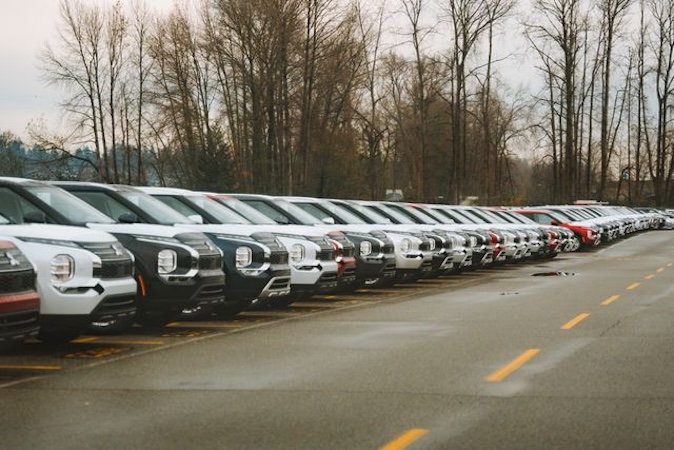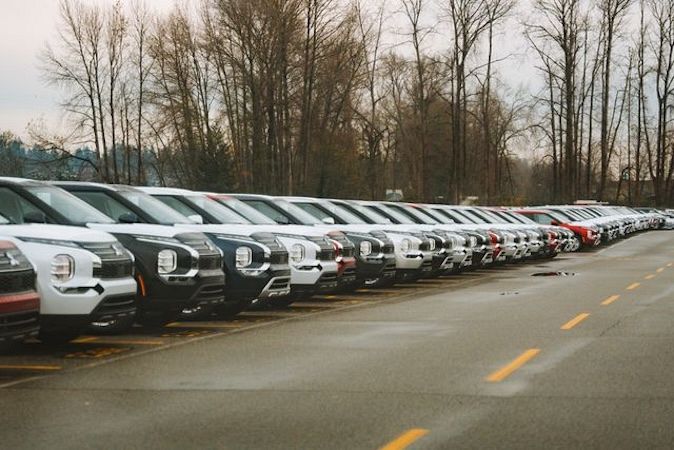
Almost every new car sold in Australia arrives with a second sale attached. Once the price is agreed, the buyer is moved to a smaller office and shown a list of extras.
Paint protection sits near the top of that list, beside fabric treatment, tyre cover and extended warranties. The pitch is brief, the buyer is tired and the keys are already on the desk.
The product itself is real. A coating or a film does change how a finish behaves in sun, salt and grit. What varies is who applies it, how long they spend and what the paperwork promises afterwards. Sydney also has independent workshops, listed under terms like Glosshaus ceramic paint protection Sydney and booked separately. Those workshops quote the job on its own and the gap between the two routes is where confusion starts.
What is paint protection actually doing?
Three different products are sold under the same phrase.
- A ceramic coating is a liquid applied to clean, corrected paint, curing into a thin layer that sheds water.
- A paint protection film is a clear urethane sheet laid over panels, thick enough to absorb stone chips.
- A traditional sealant or wax is a shorter-lived version of the same idea and the cheapest of the three.
None of the three makes paint indestructible. Each is a sacrificial layer that takes the damage first and each wears out eventually. The finish underneath still ages if the car lives outdoors in Australian sun.
Why does the finance office sell it?
The add-on is not sold in the workshop. It is sold at the desk where the contract is signed, minutes before delivery. The extras often come as a bundle, with one price attached to the whole rather than to each item.
Rolling the cost into the loan makes the weekly figure look small. That figure carries interest for the whole term and a package financed across a loan term is not the same purchase as one paid for in cash later. Bundling and time pressure are close relatives of the design tricks that steer people into choices they would not otherwise make.
Timing does the rest of the work. A buyer who has waited months for the car is unlikely to pause the handover and read a booklet.
How does a dealer package differ from specialist work?
The chemistry may overlap. The labour rarely does.

(Photo by cottonbro studio | Pexels)
- Preparation: A specialist washes, decontaminates and corrects the paint before anything is applied, which is slow work by nature.
- Location: Coatings cure best in a controlled indoor space rather than on a busy forecourt.
- Accountability: The workshop that applied the coating is the business you return to, not a third party.
- Scope: Film is normally quoted panel by panel, so "full protection" can describe very different coverage.
Asking to see the specification in writing separates the two quickly. So does asking who physically performs the work and where.
What do Australian consumer guarantees cover?
Consumer guarantees apply automatically when you buy goods or services in Australia. They sit underneath anything a seller adds on top. Warranties are extra promises a business makes about quality or repairs, offered in addition to those automatic rights. The regulator groups them into three kinds: quality promises, warranties against defects and extended warranties.
Three points matter at a delivery desk. A warranty cannot replace, change or take away basic consumer rights. Guarantees continue for a reasonable time, depending on the product or the service. The national regulator is also explicit that a business must not pressure a consumer into buying an extended warranty. Nor may a seller mislead a buyer about rights they already hold.
A warranty against defects is meant to be written in language that is easy to read and understand. It also has to carry set information. If a document is hard to follow at the desk, that is worth noticing rather than excusing.
Maintenance obligation or marketing claim?
Warranty terms can require the consumer to do certain things in order to keep the warranty. That requirement is the line to look for, because it is the part that can quietly fail.
- An obligation is aimed at you and is specific: an inspection every 12 months, a named cleaning product, a receipt kept as proof.
- A claim is aimed at the product and is general: lasting gloss, lifetime protection, showroom finish.
- Obligations usually sit in small print near the exclusions, while claims usually sit in the brochure.
- Miss an obligation and the warranty may lapse under its own terms, which is a commercial matter between you and whoever issued it. Your underlying consumer guarantees are a separate question.
What should you ask before signing anything?
- What exactly is being applied, by whom and in what conditions?
- What does the same job cost when it is quoted on its own?
- Who honours the warranty and how long has that business traded?
- What must I do each year to keep it valid and what proof is required?
- Can delivery proceed today if I decline this?
Nobody is obliged to decide at the desk. Australia has a long habit of treating a bad consumer outcome as a personal mistake rather than a failure of protection and a rushed signature at delivery fits that pattern. Where something is unclear, NSW Fair Trading is the consumer protection regulator in New South Wales. It publishes guidance on buying a car and takes enquiries on 13 32 20.
Frequently asked questions
Is a dealer coating the same as a specialist coating?
Not necessarily. The product may be similar, but preparation time, working conditions and who stands behind the job often differ, and those things shape the result.
Does a protection warranty replace my consumer rights?
No. A warranty is an extra promise offered on top of consumer guarantees and it cannot replace, change or take away those underlying rights.
Can I say no and still take the car?
In general, yes. An add-on is a separate purchase from the vehicle and a business must not pressure a consumer into buying an extended warranty.
What if I miss a required inspection?
The warranty may lapse under its own terms. Read what the document actually asks of you before agreeing and keep receipts for anything you are told to do.
A purchase that deserves its own appointment
Paint protection is a reasonable service sold at an unreasonable moment. Nothing about a coating or a film requires a decision at handover, under a bundled figure, from a person whose job is the sale rather than the work.
Take the booklet home. Read the obligations before the claims. Ask for a standalone quote and compare it with what the desk offered. A finish is worth protecting and that is precisely why the decision deserves more than the last few minutes of a signing appointment.