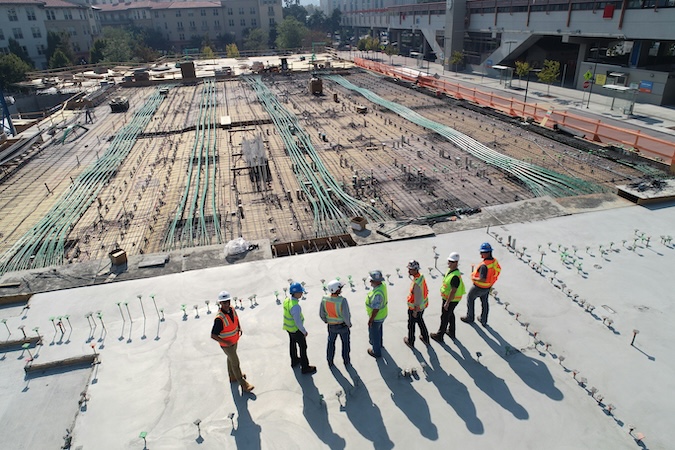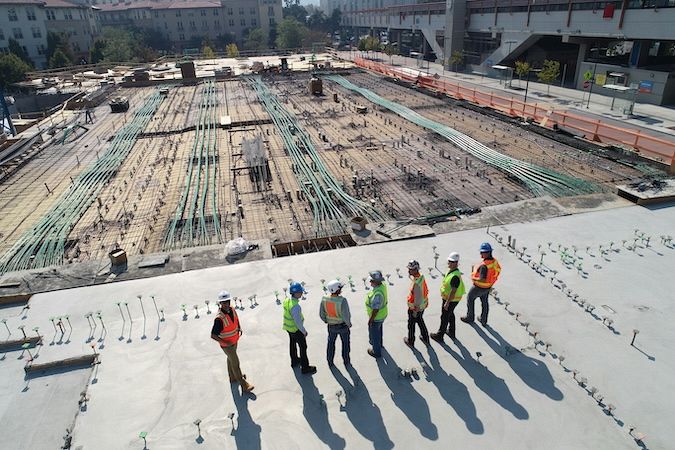
Want to get into construction in Australia with no experience? Here's a step-by-step guide, starting with training and ending with your first salary.
Construction pays well, fast. You could decide to give it a go today and be on a site earning real money within a week. You don’t need a degree or background in the trades for most jobs.
What you do need is one card, a pair of boots and a bit of effort. Want to know more? In this guide, we explain how to get into the construction industry with no experience, through every step, starting at zero and ending at your first pay cheque.
Why construction is worth a look
The construction industry is one of the best-paying ones if you don’t have experience. Labourers earn $30-$40+ an hour depending on the state, and rates climb higher on big projects and night shifts.
Australia has a long pipeline of housing and infrastructure projects and not enough people to build them, so employers take on newcomers all the time because they have to.
Around 1.36 million people work in the industry, which is close to one in ten workers across the country. And it keeps growing. Government projections put the workforce at 1.41 million by 2033, backed by a push to build 1.2 million new homes plus a huge infrastructure pipeline.
There still aren't enough workers to hit those targets, so newcomers get taken on all the time.
There's a clear path forward, too. Start as a labourer, pick up a trade, then run your own team or business down the track. Plenty of site managers started exactly where you are now.
How to get a construction job with no experience
Getting your first construction job comes down to five steps. Get your White Card, buy some basic gear, choose the type of role you want, throw together a simple resume and start applying. None of it takes long and most people can get started in just over a week.
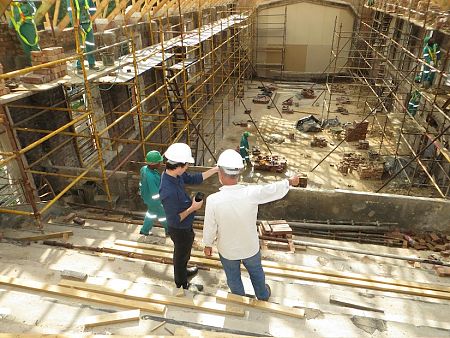
Step 1: Get your White Card
The White Card is the legal minimum and you can't set foot on an Australian construction site without one. It’s the official certificate that proves you know all the safety rules to follow on an Australian construction site. The course behind it is called general construction induction training (CPCWHS1001) and it covers site safety basics in a single day.
Some states accept fully online courses, while others want face-to-face or live video sessions, so check your state's rules first. A White Card QLD course, for example, has to be done in person or over live video with a trainer.
Expect to pay anywhere between $90 and $150 depending on the provider and training centre.
Once issued, your card works Australia-wide. It has no expiry date, though you may need to retrain after two years out of the industry. You can book your White Card course as soon as possible and you should do it before you apply for jobs. Employers won't wait around.
Step 2: Sort your gear
You don't need much to start. Steel-cap boots and a hi-vis shirt cover most sites and hard hats are usually supplied when you arrive. Budget around $150-$200 for the basics. You’ll want to skip the fancy equipment for now, as it’s not needed.
PPE (personal protective equipment) like gloves, safety glasses and earplugs are often handed out on site, so don't spend more than necessary before your first shift. Buy the rest once you know what the job actually needs.
Step 3: Pick your entry point
General labouring is the fastest way in. You need the White Card and nothing else and the pay starts straight away. Trades assistant (TA) roles put you under a sparky, plumber or chippy, which works well when a trade is the end goal.
An apprenticeship takes it further. You earn while you learn over three to four years and finish with a real qualification. Civil construction also offers traineeships covering roadwork and earthmoving.
Labouring pays more upfront. Apprentice wages start low, but the long-term payoff is bigger because qualified tradies out-earn labourers by a wide margin.
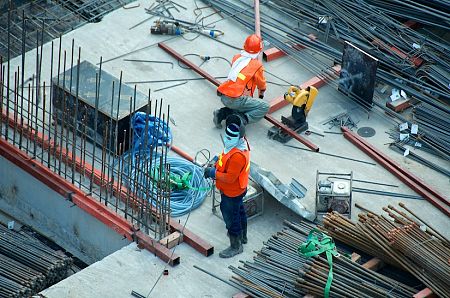
Step 4: Put together a basic resume
Keep it to one page. Lead with your White Card number and driver's licence, then a short line that says you're fit, used to manual work and show up when you say you will. Reliability is the most important part at this level.
Hands-on background counts even outside construction. Warehouse shifts, farm work, sport, regular gym sessions, weekend projects in the shed. List them all.
Do yourself a favour and skip the long paragraphs. A site manager reads a resume in about ten seconds.
Step 5: Where to actually find work
Labour hire agencies are the fastest route for first-timers. Try Hays, WorkPac, Programmed and the smaller local outfits.
On SEEK and Indeed, search "labourer no experience" plus your suburb. Local trade and labourer groups on Facebook get new job posts daily. The old-school method still works, too.
Call small builders directly, or turn up at a site in the early morning and ask for the site manager. Gumtree is worth a look too for smaller residential jobs.
Extra tickets that boost your pay
The White Card gets you through the gate. Extra tickets get you better pay and more choice in the jobs you take. Each one below can be done in a day or two:
- Traffic control ticket: stop-slow work pays surprisingly well and roadwork crews always need people.
- Working at heights: required on plenty of commercial sites, so it puts you ahead of other applicants.
- Forklift licence (LF): opens up higher-paying site and warehouse work.
- First aid certificate: cheap, quick and valued on every site in the country.
- Every ticket you add means more doors open and potentially more money in your pocket.
Frequently asked questions
These are the questions that come up most for people starting out in construction.
Is it easy to find a construction job with no experience?
It’s much easier than most industries. There’s a real worker shortage and site managers care more about reliability than your resume. Labour hire agencies hire first-timers all the time.
Get your White Card, apply widely and follow up with phone calls. Most people who put in genuine effort can find work within a couple of weeks.
How old do you need to be?
Most states let you do the White Card course at 14, though anyone under 18 usually needs a parent or guardian to sign off. Actual site work tends to start around 16 and school-based apprenticeships can begin even earlier while you're still finishing year 11 or 12.
Plenty of employers only take on workers who are 18 or over, though, mainly because of insurance and heavy machinery rules. High-risk work licences, like forklift licences, also require you to be 18.
How long does the White Card course take?
The training takes about six hours, so you’ll be done in one day. You go through the course with the trainer and there's a short assessment at the end, with multiple-choice questions plus a quick verbal or webcam check depending on the state.
Proof of completion is issued straight away and most employers accept that paperwork while you wait for the physical card in the post. In other words, you can start applying for jobs the same day you finish.
Can I work in construction on a student or working holiday visa?
Yes. Both visas let you work in construction, but the rules differ.
On a working holiday visa, you can work full time.
Even better, construction work in regional Australia counts toward extending your visa:
- work three months and you can then apply for a second year; or
- work six months and you can apply for a third.
One catch: you can normally only work for the same employer for six months, so check your visa conditions before signing on for a long project.
On a student visa, on the other hand, you're capped at 48 hours a fortnight while classes are running. That still fits two or three labouring shifts a week and the cap lifts completely during official course breaks.
Either way, you'll need a tax file number and you get paid the same rates as everyone else on site.
Does my White Card work in every state?
Yes. Once you have the card, it works in every state and territory. Do the course once and you're covered anywhere in Australia.
The only rules that change between states are about how you take the course, not where the card works afterwards. Queensland wants face-to-face training. NSW accepts a classroom session or live video. Most other states are fine with fully online. Book a format your own state allows and you're set.
Note that old white cards from before the national system are still valid as long as you've kept working in the industry. And lost cards can be replaced by the body that issued them, usually for a small fee.
Final thoughts
Many people talk themselves out of construction before even trying. They might think they’re too old or that they have no trade behind them. Meanwhile, the sites keep hiring and the person who got the job is usually just the one who turned up with a card and asked.
A year from now, you could be on solid money with a couple of extra tickets to your name, or still thinking it over. Only one part needs booking and it takes a single day. Book your White Card course and get your first job — it will be one of the best decisions you’ve ever made.
This article was written in collaboration with the team at National White Card Courses, a government-approved RTO (41072) that delivers construction induction training Australia-wide. The team works with new site workers every day, and this guide covers the questions they hear most.