Most drivers know the obvious road risks: speed, alcohol and mobile phones. Fatigue is harder to see. A tired driver does not look different from the outside and often does not feel as impaired as they really are.
Road safety authorities across Australia recognise fatigue as a contributing factor in serious crashes and one medical condition that can drive it is sleep apnoea.
Sleep apnoea is a condition where breathing repeatedly pauses or becomes shallow during sleep, breaking up rest even when a person believes they slept through the night. Many people live with it for years without a diagnosis. The effects do not stay in the bedroom. They follow people into the car, the truck cab and the early-morning commute.
This article explains how sleep apnoea affects driving, what the licensing rules say, how the condition is diagnosed and treated and what drivers can do about it, with a Western Australian setting in mind.
How sleep apnoea affects alertness behind the wheel
When breathing is interrupted during sleep, the brain briefly rouses the body to restart it. These micro-awakenings can happen many times an hour, often without the sleeper remembering them. The result is fragmented sleep, followed by daytime sleepiness, slower reaction times, trouble concentrating and lapses in attention.
Driving depends on sustained attention, especially on monotonous roads. Long, straight stretches with little change in scenery are exactly where drowsiness tends to creep in. A microsleep lasts only a few seconds and can happen without the driver realising, yet at highway speed a few seconds covers a long distance.
Research has consistently linked untreated sleep apnoea with a higher risk of drowsy-driving incidents. That is the reason medical and licensing bodies pay close attention to the condition, which brings us to the rules that apply to drivers.
What the fitness-to-drive guidelines say
In Australia, the medical standards for driving are set out in the Assessing Fitness to Drive guidelines, published by Austroads and the National Transport Commission and applied through state and territory licensing authorities. Sleep disorders, including obstructive sleep apnoea, are covered. In general terms, a driver with a condition that could affect safe driving is expected to discuss it with their doctor and commercial drivers face stricter requirements than private motorists.
In Western Australia, licensing is managed by the Department of Transport and a GP can advise whether a report or further assessment is needed. The practical point is simple. If sleepiness is affecting your driving, it is a medical matter and worth raising early. Requirements differ by licence type, so it is wise to confirm the details with your doctor and the licensing authority.
Of course, a driver can only act on a problem they recognise. That makes it important to know what the early signs look like.
Recognising the signs before they reach the road
Drivers often explain away the early signs of sleep apnoea as stress, age or a busy schedule. Partners and family members frequently notice the pattern first.
Common signs include:
- loud, regular snoring or pauses in breathing noticed by someone else;
- waking unrefreshed, sometimes with a dry mouth or a morning headache;
- struggling to stay awake during the day, particularly when sitting in traffic or at a desk;
- drifting between lanes or missing exits on familiar routes;
- constant yawning or heavy eyelids on short trips;
- not remembering the last few kilometres of a drive; and
- difficulty concentrating, irritability or poor memory during the day.
No single sign confirms sleep apnoea and sleepiness has many possible causes. But several of these together are a good reason to speak to a GP and that conversation is the start of the diagnostic process.
Getting a diagnosis: From GP visit to sleep study
The usual first step is an appointment with a GP, who will ask about snoring, daytime sleepiness, health history and driving habits. If sleep apnoea is suspected, the doctor can arrange a sleep study. Depending on the case, this may be done overnight in a sleep laboratory or at home using portable monitoring equipment. The study measures breathing, oxygen levels and sleep patterns and the results show how many breathing interruptions occur each hour.
For people in Rockingham, Kwinana and surrounding suburbs, sleep testing and follow-up are available through a mix of hospital, private and community services in the southern corridor of Perth. A local sleep apnea clinic can help explain results, answer questions about what the numbers mean and support people as they begin treatment, which makes the process less daunting for first-timers.
Once the diagnosis is confirmed, the focus turns to treatment and how well it can reduce daytime sleepiness.
How treatment reduces the risk
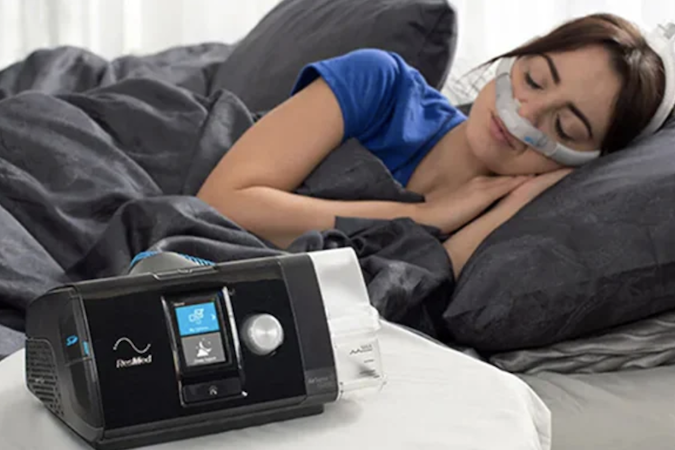
For moderate to severe obstructive sleep apnoea, continuous positive airway pressure (CPAP) therapy is the standard treatment. A sleep apnea machine delivers a gentle stream of pressurised air through a mask, keeping the airway open so that breathing does not pause during sleep. Other options include oral appliances that reposition the jaw, positional therapy, weight management and, in some cases, surgery. The right choice depends on severity and the advice of the treating clinician.
Follow-up matters as well. Modern devices record how many hours they are used each night and how well the mask is sealing and clinicians can use that information to adjust settings or solve problems early. Reviewing these results at regular appointments helps ensure the treatment is actually working rather than simply sitting beside the bed.
Many people report feeling more alert during the day once they use treatment consistently, though results vary and are best discussed with a doctor. For drivers, better sleep quality means a lower likelihood of the attention lapses described earlier. Treatment is only effective if it is used regularly, which depends heavily on having the right equipment.
Choosing equipment and getting comfortable with it
CPAP devices come in several types, including fixed-pressure and auto-adjusting models, and the settings are prescribed by a clinician rather than chosen by the user. Some of the best-known options are ResMed CPAP machines, made by a company that was founded in Australia. Features such as humidifiers, data tracking and quiet operation vary between devices, so it helps to talk through preferences with a clinician.
The mask often matters even more than the machine. A poorly fitted CPAP mask can leak air, irritate the skin or feel claustrophobic and these problems are among the main reasons people give up on therapy. Masks come in nasal pillow, nasal and full face styles and trying different sizes and shapes is normal. Cleaning equipment regularly and replacing worn parts on schedule also keeps treatment comfortable and effective.
Comfortable equipment is what turns a prescription into a nightly habit and that habit is what ultimately protects drivers on the road.
Practical steps for drivers in Rockingham and beyond
Consider a typical week for someone living in the Rockingham area. The drive to Perth along the Kwinana Freeway can mean long stretches of repetitive traffic in the early morning or late afternoon and weekend trips to Mandurah, Bunbury or the south west bring even longer hours on the road. These are the conditions in which sleepiness becomes most dangerous.
Whether or not a person has been diagnosed, a few habits are widely recommended by road safety agencies. Avoid driving when you are drowsy. Plan regular rest breaks on long trips, commonly advised every couple of hours. Share the driving where possible. Pull over safely and rest if you feel your attention slipping, since caffeine only helps for a short time and cannot replace sleep. And if you have been told you snore heavily, or you often feel exhausted despite a full night in bed, raise it with your doctor.
Employers have a role too. Workplaces that rely on long commutes, early starts or shift rosters, including many across the Kwinana industrial area, can support safer driving by allowing flexible start times, encouraging rest breaks and making it easier for staff to book medical appointments. A rested workforce is a safer one.
These habits protect the driver, but they also protect passengers, other motorists and families waiting at home.
Why sleep and road safety belong in the same conversation
Road safety campaigns understandably focus on speed and alcohol, but fatigue deserves a place in the same conversation. Sleep apnoea is common, treatable and often overlooked and the steps from awareness to diagnosis to treatment are well established. Each stage supports the next: recognising the signs leads to a sleep study, a diagnosis leads to treatment, and comfortable equipment keeps treatment going.
For anyone who recognises themselves in this article, the next step does not have to be dramatic. A conversation with a GP is enough to begin. Families can help by encouraging a heavy snorer who seems constantly tired to book that GP appointment sooner rather than later. Safer roads depend on drivers who are properly rested and treating sleep apnoea is one of the more practical ways to get there.