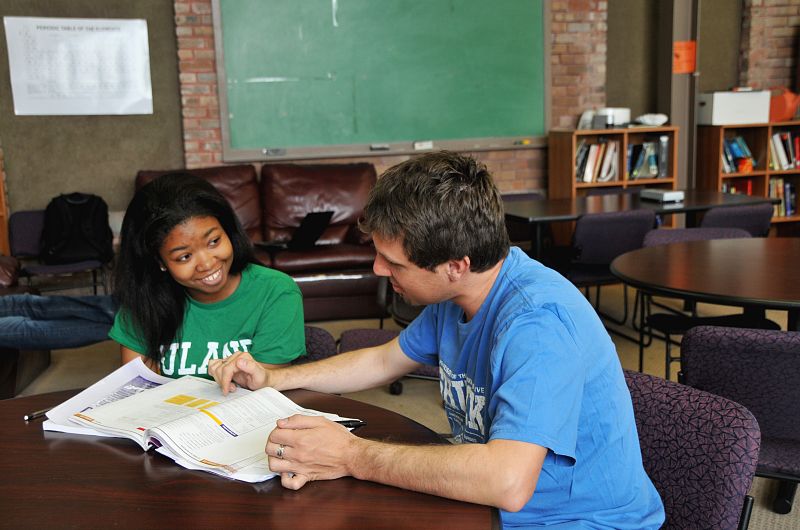
The tutoring industry in Australia has grown significantly over the past decade. What was once considered supplementary support for struggling students has become a standard part of the senior school experience for a growing number of families — particularly those with children in Year 11 and 12.
The question worth asking is not just why this is happening, but what it tells us about the state of secondary education in this country.
The pressure is real and it starts early
The ATAR system, which determines university entry for hundreds of thousands of Australian students each year, places enormous weight on performance across a narrow window of time. Students who fall behind in Year 11 often find it difficult to recover by Year 12. The stakes feel high because, in practical terms, they are.
For parents who can afford it, private tutoring has become a form of insurance against that pressure. It fills the gaps that busy classrooms cannot always close and gives students the individualised attention that the standard school day rarely allows.
A system that rewards those who can pay
There is a structural issue here that deserves more public attention. Students from higher-income households are significantly more likely to have access to private academic support than their peers from lower-income families. When tutoring becomes a de facto requirement for competitive ATAR performance, it stops being an optional extra and starts being a marker of advantage.
This is not a new problem in Australian education. But the scale at which families are now investing in private Year 12 tutoring suggests that the gap between what schools can offer and what students need to compete is widening.
What the demand actually reflects
The surge in demand for Year 12 tutoring is not primarily a story about lazy students or overprotective parents. It is a story about a curriculum that moves quickly, classes that are often too large for teachers to differentiate effectively and an assessment system that rewards specific skills - analytical writing, structured argument, precise problem-solving — that are not always taught explicitly enough in the time available.
Students who get dedicated one-on-one support in these areas consistently perform better. That outcome is not surprising. What is worth examining is why that support needs to come from outside the school system in the first place.
The conversation families are not having
Most parents who seek out tutoring for their Year 12 students are focused on outcomes: subject grades, predicted ATAR scores, university cut-offs. The broader policy questions rarely enter the conversation at the kitchen table.
But those questions matter. An education system where private supplementary support has become normalised for competitive senior school outcomes is one where public investment in school resourcing deserves renewed scrutiny.
For now, families are making practical decisions under real constraints. The growth of the tutoring sector is both a symptom of those constraints and, for individual students, a genuine response to them.