Many prospective homeowners tend to concentrate their efforts on improving or refurbishing specific areas of the house, such as the kitchen or living room. They may also focus on installing pipe networks and electrical circuits to keep the house functional as well.
And while these structures are important in influencing the look and feel of the home, there are some subtle yet crucial considerations to make beyond these visual and utility upgrades. One such matter comes in the form of the building’s ventilation system.
A home’s ventilation system is responsible for managing how air moves through the building. It can come in various forms, from passive designs to more advanced mechanical systems. In any case, these systems help control airflow movement and ensure that spaces have sufficient air to make indoor breathing comfortable and clean.
While there are several ventilation system types, this article will expound more on the roof ventilation system variant. So if you have ever wondered how to install a working roof ventilation system in your house, then you’re in the right place.
In this article, we’ll uncover the mechanics behind a roof ventilation system. On top of that, we’ll also highlight the benefits of such a ventilation system and other important details that can help deepen your understanding of this ventilation system.
Let’s jump right into it.
Why every home needs a roof ventilation system
A ventilation system isn’t an optional consideration for your home; it should be something that you plan to integrate before finalising any floor plan. This is the case regardless of your house layout and the climate surrounding your home.
There are several reasons as to why this is the case. Firstly, a ventilation system helps expel trapped air in the roof cavity or other enclosed pockets inside a home. This is a good thing, as trapped air can heat up affected areas and cause an imbalance in the building’s core temperature.
Here’s how the science works: warm air is less dense than cool air. This causes warm air to naturally rise inside a building (where the roof naturally resides). External factors don’t affect the internal environment due to its enclosed nature.
This phenomenon is called the stack effect and such an effect generates heat in high elevations in an enclosed space.
The temperature imbalance caused by a lack of a proper ventilation system can also lead to increased energy usage. In the long run, this can translate to higher utility bills, making it harder for you or the tenant to stay on top of your everyday bills as the utilities are taking a huge chunk of them.
Another problem with a lack of adequate ventilation and airflow is the tendency for hot air to condense and create moisture-rich conditions within enclosed spaces.
As warm air cools, it can release moisture that settles on roof timbers and other structural components. This damp environment can make mould and mildew grow rapidly, which can compromise the building’s structural integrity.
The good news is that such phenomena can be completely counteracted with the right ventilation system. Mechanical systems with complicated components can do the trick, but they rely on electrical power to sustain themselves. A roof ventilation system, on the other hand, is completely passive and can work even without being powered.
If you’re keen to learn more about the types of roof vents from Airocle and other providers, then read on, as we’ll cover that in the next section.
Types of roof vents
Roof vents can take on several different forms and these differences create subtleties in how the roof vent operates.
These differences make it so that there’s a roof vent available across every budget, climate and roof design. And fundamentally, they all work similarly in the sense that they help trapped air escape and let fresh, new air in.
Homeowners have a diverse range of roof vents they can consider, but in many instances, they need to choose the ideal type that fits their specific needs and environment to achieve a good level of success with it.
Here are some popular roof vent options that you can consider for your home’s structure:
- Ridge vents: This roof vent provides continuous ventilation across the roof line. It blends seamlessly with the roof’s appearance, and it’s specifically built to let warm air escape naturally through its holes.
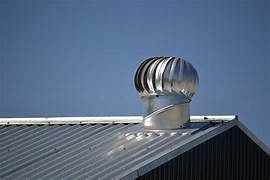
- Turbine vents: Also known as a whirlybird, this vent type utilises spinning fins to draw hot air out of the house. It does this without using electricity, making it effective across a variety of different climates.
- Soffit vents: A perforated vent type that’s located in the roof’s overhang — this roof vent type lets fresh air in and brings cool air out. It regulates the cyclical flow of air in conjunction with an exhaust vent in most cases.
As seen above, each type of roof vent employs different methods in maintaining proper airflow. In many cases, combining intake and exhaust vents creates the most effective ventilation system.
If you’re unsure which roof type is right for you, contact a professional roofing specialist so that you’ll have peace of mind when choosing the right airflow system for your first home.
How to maintain a roof ventilation system
Once you’ve chosen your roof ventilation system and are in the process of having it installed (or have one up already), then you’ll need to be proactive in ensuring that it stays operational for years to come.
If you neglect it for too long, it could gradually lose effectiveness, allowing heat and moisture to build up in the roof cavity despite the system being technically there.
Here are some things you must do to keep your roof ventilation system fully operational:
Clear the vents of obstructions: Over time, dust, leaves and other random things could block the vents and restrict air from coming in and out of the pipes. Perform regular inspections (or inspections after severe storms and bad weather conditions) to ensure air can freely move through the system.
Inspect for cracks and corrosion: The vent components could erode over time. Once the wear and tear becomes very visible, get it checked up and fixed before it spirals into something worse and more costly.
Schedule periodic professional inspections: While basic checks can be done visually, having a professional assess your roof ventilation system ensures underlying issues aren’t missed. Their trained eye can detect hidden problems and ensure that your system can withstand upcoming seasonal changes.
We hope that we’ve given you enough insights into what a roof ventilation system is and how you can benefit from one. All the best in choosing the best ventilation for your home!