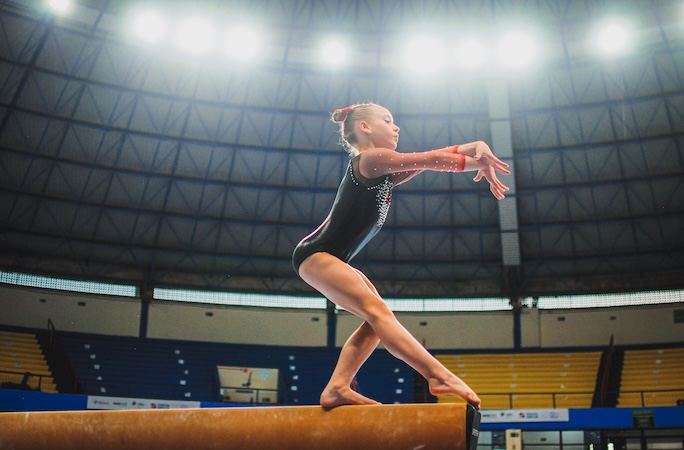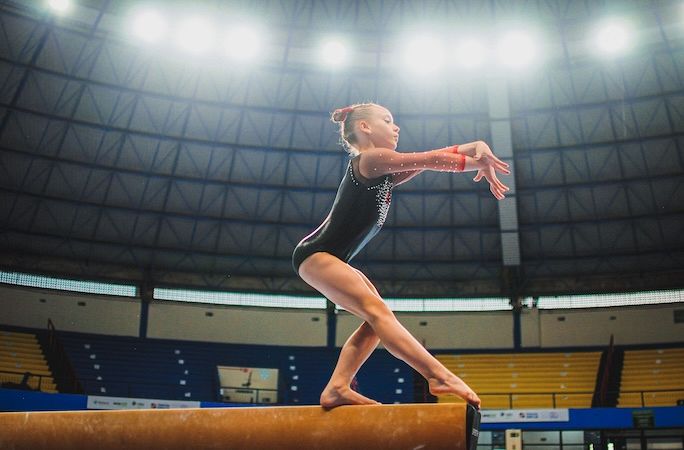
The German team’s Tokyo unitard protest and the Human Rights Commission’s Change the Routine review have reframed what a gymnastics leotard means. A plain-language guide to the rules, the body-image stakes and how Australian families can choose a competition leo that puts the gymnast first.
It is the one thing a gymnast wears on the floor, and choosing it well is no longer just about colour and crystals.
When the German women's gymnastics team stepped onto the floor at the Tokyo Olympics in full-length unitards, they turned a piece of sportswear into a statement (ABC News). The outfits covered the legs to the ankle, and that was the point. The team said it was pushing back against the “sexualisation” of their sport, and that gymnastics should leave room for female bodies as they grow and change. “We want to feel amazing,” said gymnast Sarah Voss. “We want to show everyone that we look amazing.”
For the thousands of Australian children pulling on their first competition leotard this season, that moment matters more than it looks. Choosing a “leo” now carries a little more weight than picking a favourite colour. Australian-owned retailers like RS Gymwear field the same questions from parents every season. Here is what actually goes into a good decision.
Start with the rules
They are not optional. Both the International Gymnastics Federation and Gymnastics Australia set out what competitors may wear: the leotard must be non-transparent, the leg cut can’t sit too high, and any club or sponsor logo has to stay within set limits. Long sleeves are standard at higher levels, while sleeveless styles are often fine for younger or lower-level gymnasts.
The rules also allow full-length unitards, and fitted shorts or leggings worn over the top. These options exist for comfort, modesty, and cultural or religious reasons, and a child who feels more covered is allowed to be. Your club can point you to the right standard: a local gym such as Infinity Gymsports will have clear apparel expectations for training and competition. Check those and your state association’s policy before you buy, because a leotard that breaks a dress code is an expensive mistake on competition day.
Why comfort is not a small thing
In 2021, the Australian Human Rights Commission handed down Change the Routine, its independent review into Australian gymnastics, and the findings were confronting. Led by then Sex Discrimination Commissioner Kate Jenkins, it described a culture that prized a slight, “pixie-style” build and punished girls for developing. Athletes were weighed daily; some wrapped themselves in cling film to sweat off weight, and disordered eating was treated as the price of success. One participant recalled being called fat at 11, when she weighed 22 kilograms.
Against that backdrop, a leotard is never only fabric. A child who spends a routine tugging at a leg that rides up, or feeling exposed, is a child thinking about her body instead of her skills. Fit and coverage are confidence issues, not vanity ones.
What makes a good one
Fabric comes first. Competition leotards are usually spandex, velvet or mesh, often finished with crystals or sublimated prints (a practical rundown is here). The sparkle looks the part, but it adds cost and care. Hand-wash in cold water and air-dry, or the embellishments lift. Fit should be snug but never restrictive; the old coach’s line is “not too loose, not too tight”.
Resist the urge to buy a size up for a child to “grow into”, because a baggy leo bunches and distracts. Buy for the body in front of you, and expect to replace it as they grow. Elastic leg grips, or a little competition-approved body adhesive, stop it riding up.
Price is the part that surprises new families. A custom competition leotard with crystals widely retails from around a hundred dollars to several hundred, and most gymnasts need more than one, which is a real cost-of-living line item. It is worth buying from a retailer who knows Australian competition rules rather than guessing from an overseas size chart. RS Gymwear stocks leotards, training wear and grips sized and cut for local gymnasts, which spares you the customs delays and returns headaches that come with buying blind from offshore.
The right leotard, in the end, is the one the gymnast forgets she is wearing. It fits, it follows the rules, it suits the body she has today, and it lets her think about nothing but the beam. The German team’s quiet protest made the same point from the other direction: what a gymnast wears should be her choice, and it should let her feel, as Voss put it, amazing. Start there, and the crystals will take care of themselves.
This article was contributed by the team at RS Gymwear, an Australian-owned retailer of gymnastics leotards, training wear and equipment.