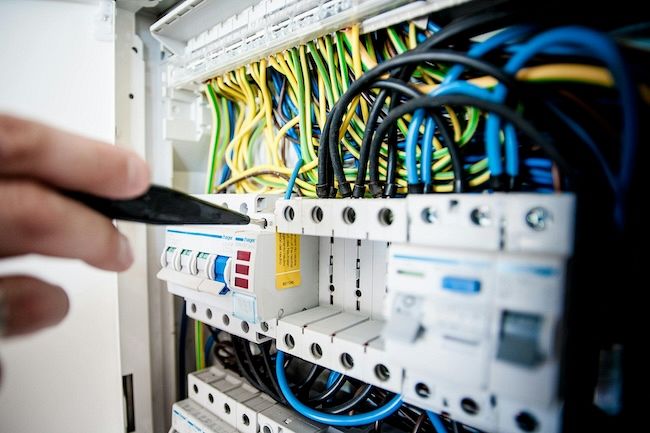
Running an electrical contracting business means more than just quality workmanship. Compliance sits at the heart of everything, from licensing requirements to workplace safety standards. Miss a compliance requirement, and consequences can range from fines to losing your license entirely.
Many electrical contractors focus so heavily on delivering great service that administrative compliance slips through the cracks. Yet staying on top of regulations protects both your business reputation and your ability to keep working. Understanding common compliance risks helps you build systems that keep everything running smoothly.
1. Licensing and registration requirements
Every Australian state maintains its own licensing system for electrical contractors, each with unique requirements:
- Queensland electricians must provide proof of $5 million public liability insurance plus $50,000 consumer protection coverage.
- Victoria requires $5 million in public liability insurance, with no additional consumer protection requirements.
- New South Wales doesn't mandate specific insurance amounts for licensing, though most work sites will require it.
National electrical licensing changes are coming, which will eventually streamline these requirements across Australia. Until then, working across state lines means understanding each jurisdiction's specific rules. Missing a renewal deadline or failing to update your license details can halt operations immediately.
Smart electrical contractors set calendar reminders well before renewal dates. Maintaining organised records of all licensing documentation, insurance certificates and continuing education credits prevents last-minute scrambling. Many contractors keep digital copies accessible from their phones, making it simple to provide proof when requested on job sites.
Job management systems help track these requirements alongside your daily operations. Fergus is an example of software for electricians that centralises business documents, making it easier to stay organised and compliant without drowning in paperwork.
2. Insurance coverage gaps
Public liability insurance represents the baseline requirement for most electrical contractors, but relying solely on minimum coverage creates significant risk. Consider what happens when your work causes unexpected damage at a commercial property. Repairs exceeding your coverage limit mean paying the difference from your own pocket.
Different job types demand different coverage levels. Residential maintenance work typically needs less coverage than industrial installations or solar battery systems. Some work sites require $10 million or $20 million coverage as a condition of entry. Accepting jobs without verifying your insurance adequacy puts your entire business at risk.
Beyond public liability, electrical contractors face other insurable risks. Starting an electrical business requires thinking through tool theft coverage, income protection and professional indemnity insurance. Tool theft remains rampant across Australia and replacing thousands of dollars in specialised equipment while being unable to work creates devastating financial pressure.
Regular insurance reviews ensure your coverage grows with your business. Adding new services, such as solar installation or battery storage systems, may require updating your policy, as standard electrical coverage may exclude these activities. Insurance brokers specialising in trades can identify gaps before they become problems.
3. Workplace health and safety violations
Electrical work carries inherent dangers, making WHS compliance absolutely critical. Regulations cover everything from proper use of personal protective equipment to isolation procedures when working with live circuits.
Failing to follow safety protocols endangers workers and exposes businesses to massive penalties:
- Documentation proves compliance when questions arise: Safety checklists, toolbox talks and incident reports demonstrate your commitment to maintaining safe work sites. Accidents happen even with strong safety cultures, but documented procedures show you took reasonable precautions.
- Subcontractors bring additional compliance considerations: Verifying that subbies hold appropriate licenses and insurance before allowing them on your jobs protects you from liability. Requesting and storing copies of their certificates creates an evidence trail showing you exercised due diligence.
- Training keeps teams up to date on safety requirements and best practices. Regulations change, new equipment arrives and techniques improve. Regular safety meetings remind everyone that following procedures matters more than speed.
Electrical contractors who cut corners on safety training often pay far more later in the form of fines, legal fees, or increased insurance premiums.
4. Electrical safety standards and codes
Australian Standards govern everything from cable installation to switchboard configurations. Standards update regularly as technology advances and safety knowledge improves.
Using outdated practices, even unknowingly, creates compliance violations and potential safety hazards.
Staying current means investing in ongoing education. Industry associations, supplier training sessions and professional development courses keep electricians informed about changes to standards.
Many contractors dedicate time each quarter to reviewing recent updates rather than hoping they'll hear about important changes through word of mouth.
Proper documentation for each job proves that the work meets current standards. Detailed records showing materials used, testing completed and standards followed protect you if questions arise years later.
Photos during installation, test results and compliance certificates create comprehensive job files.
Specialised work areas demand extra attention to standards. Solar panel installation, battery storage systems, EV charging stations and smart home integration each carry specific requirements beyond general electrical standards.
Contractors entering these speciality areas must thoroughly research applicable standards before accepting work.
5. Contractual and payment compliance
Written contracts protect electrical contractors from disputes and payment problems. Clear agreements outlining scope, timeline, payment terms and variation procedures set expectations from day one.
Verbal agreements leave too much room for misunderstanding when disagreements emerge.
Security of payment legislation varies by state, but generally requires following specific procedures for progress claims and payment disputes.
Missing deadlines or incorrect paperwork can forfeit your right to payment, even for completed work. Understanding your state's security of payment laws prevents expensive mistakes.
Variations represent a common source of disputes. Customers request changes mid-project, then baulk at additional costs they didn't anticipate. Documenting every variation in writing, obtaining customer approval before proceeding and clearly explaining cost implications prevent arguments when invoicing.
Tax compliance requires accurate record-keeping throughout the year, rather than panic-sorting receipts before tax time. Tracking income, expenses and GST obligations as work happens makes lodging returns straightforward.
Modern accounting software syncs with job management systems, automatically organising financial data.
Building compliance systems that work
Strong compliance doesn't require becoming buried in paperwork. Smart systems integrate compliance into normal workflows rather than treating it as a separate administrative burden. Digital tools centralise documents, automate reminders and track requirements alongside everyday job management:
Starting small makes implementation manageable
Pick one compliance area causing the most headaches and build better systems around it. Maybe insurance certificate tracking needs improvement, or variation documentation keeps falling through cracks. Solving one problem completely teaches lessons applicable to other areas.
Regular compliance audits catch issues before they become crises
Monthly reviews of licenses, insurance, safety documentation and financial obligations take less than an hour but prevent major problems. Treating compliance as an ongoing priority rather than a yearly chore changes how your business operates.
Professional advice saves money long-term
Accountants, insurance brokers and industry consultants specialising in trades offer insights that prevent expensive mistakes. Their expertise costs far less than fines, legal issues, or business disruptions resulting from compliance failures.
Compliance represents an investment in business longevity
Contractors who build strong compliance systems work more confidently, avoid costly disruptions and build reputations as reliable professionals.
Taking compliance seriously separates successful electrical businesses from those constantly fighting fires.